Scientists find breast cancer cells hiding behind protective "shields"
UK researchers have mapped breast tumors cell by cell, revealing that dormant cancer cells are often surrounded by protective immune and support cells. The discovery could help scientists design treatments that target both fast-growing and dormant tumor regions.
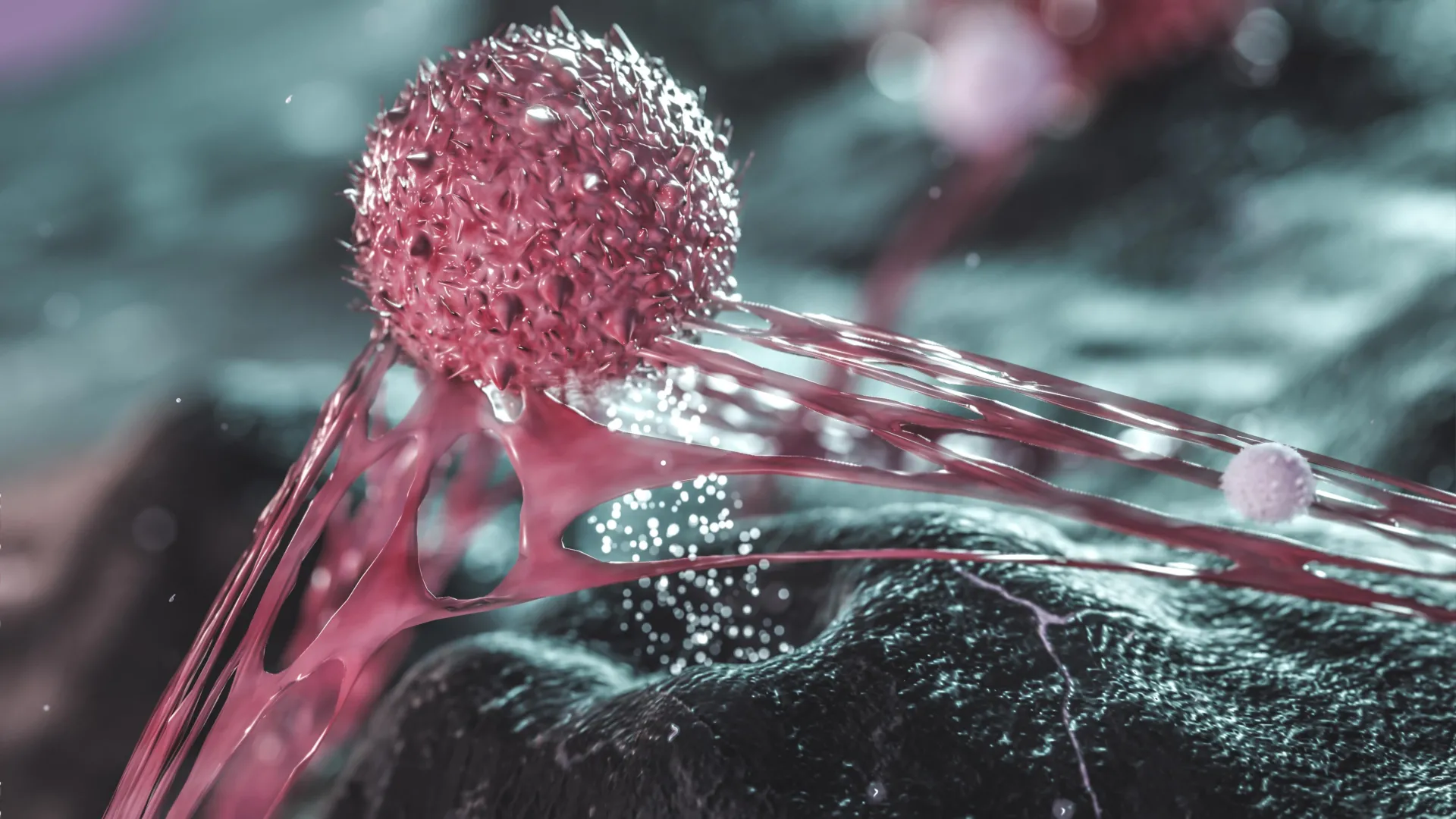
Researchers from the MRC Laboratory of Medical Sciences, Imperial College London and UCL Genetics Institute have created a detailed cellular map of breast tumors, identifying separate zones containing actively dividing cancer cells and others made up of dormant, or 'quiescent', cells. The study was published in the journal Genome Medicine.
The findings show that these inactive cancer cells are frequently surrounded by immune and connective tissue cells that may shield them from treatment. The researchers argue that future cancer therapies may need to target not only fast-growing tumor cells but also dormant cells and the environments that allow them to persist.
Why dormancy is dangerous
Quiescent cancer cells can survive chemotherapy and later reactivate, potentially driving tumor regrowth or spread. Cells can enter this dormant state in response to stressful conditions within a growing tumor, such as insufficient blood flow or nutrient supply.
Mapping the tumor cell by cell
Combining single-cell RNA sequencing with spatial transcriptomics, the team found that cells resembling therapy-resistant ones already exist in tumors before any treatment is given. This pattern appeared in both aggressive and slower-growing forms of breast cancer, an unexpected result since dormancy had previously been linked mainly to slower-developing disease.
The analysis also showed that dormant cells were consistently located near specific immune cells and tumor-supporting fibroblasts, which may form a physical or biological barrier that protects them from treatments or immune attack.
Possible new treatment approaches
Researchers observed increased activity of the complement immune pathway within dormant cell niches, suggesting a possible therapeutic target. The supporting cells surrounding dormant cancer cells could also be a target, though it remains unclear how much they actually contribute to maintaining dormancy.
The team suggests that different regions of the same tumor may need different drug combinations. While the findings still require experimental testing, they could eventually help researchers design more effective combination therapies that target both proliferative and dormant tumor regions, reducing the risk of cancer returning.
The work was primarily funded by a UKRI Future Leaders Fellowship, the Medical Research Council and the Biotechnology and Biological Sciences Research Council.
/nginx/o/2026/08/28/17881631t1h3e68.jpg)