Scientists find ‘smoking gun’ evidence of world’s oldest meteorite strike in Western Australia
Researchers have confirmed that a meteorite impact in Western Australia's Pilbara region occurred 3 billion years ago—making it the oldest known impact crater on Earth.
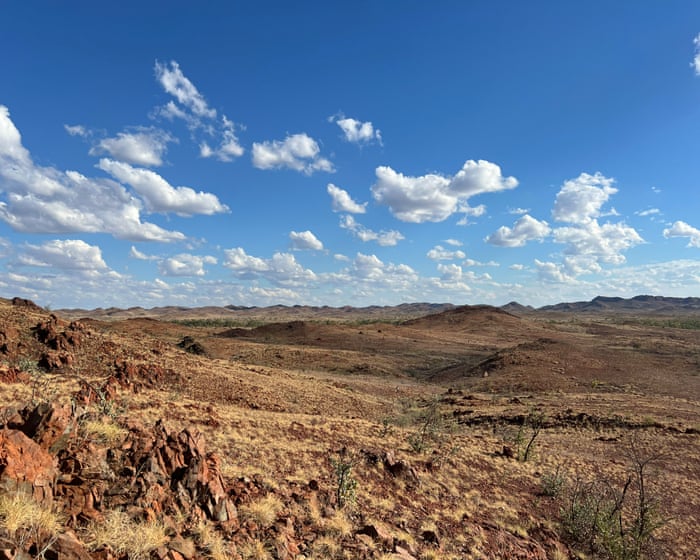
Scientists from Curtin University have discovered the "smoking gun"—evidence of the world's oldest meteorite impact, which struck Earth three billion years ago. The event is recorded in ancient rocks in Western Australia's Pilbara region, one of the few places on Earth that preserves such ancient geological history.
The findings, published in the journal Geology, describe the use of rare geological features called shatter cones to determine the exact timing of the impact. These structures were found at the North Pole Dome crater in the Pilbara. The crater is older than the previous record-holder, the Yarrabubba crater, which is 2.2 billion years old.
The team used two independent methods to date the impact. First, they analyzed the age of tiny zircon crystals embedded in basalt rock, which formed unusual "little lightning bolt" patterns due to the intense heat of the impact. The zircons were dated using a sensitive high-resolution ion microprobe (SHRIMP). Second, they studied apatite, a calcium phosphate mineral that grew in fractures caused by the impact. Both methods gave the same result: the impact occurred around 3 billion years ago.
Professor Chris Kirkland, lead author and geologist from Curtin's Timescales of Minerals Systems Group, said the well-preserved rock formations are a rare and globally significant archive. "There are very few places that are these deep time capsules that let us peer into the formative processes on our planet. That's why they're quite special," he said.
At the time of the impact, Earth was a vastly different place—mostly a "water world" with little continental crust. The sun was dimmer, the moon closer, and early life existed in the form of stromatolites (cyanobacteria).
Associate Professor Bruce Schaefer, a geochemist at Macquarie University not involved in the study, noted that Earth was continuously pummeled by meteorites during the Archean eon, but traces on land are mostly erased. He praised the combination of zircon and apatite dating as the "smoking gun." "The fact those two were reset at the same time is the really powerful evidence that this is the age of that event," he said.