Scientists find earliest known plague outbreak near Lake Baikal, dated to 5,500 years ago
Researchers found plague bacterium DNA in the teeth of ancient hunter-gatherers in Siberia, representing the earliest known evidence of a plague outbreak among humans. The finding challenges the idea that epidemics began only after the rise of farming.
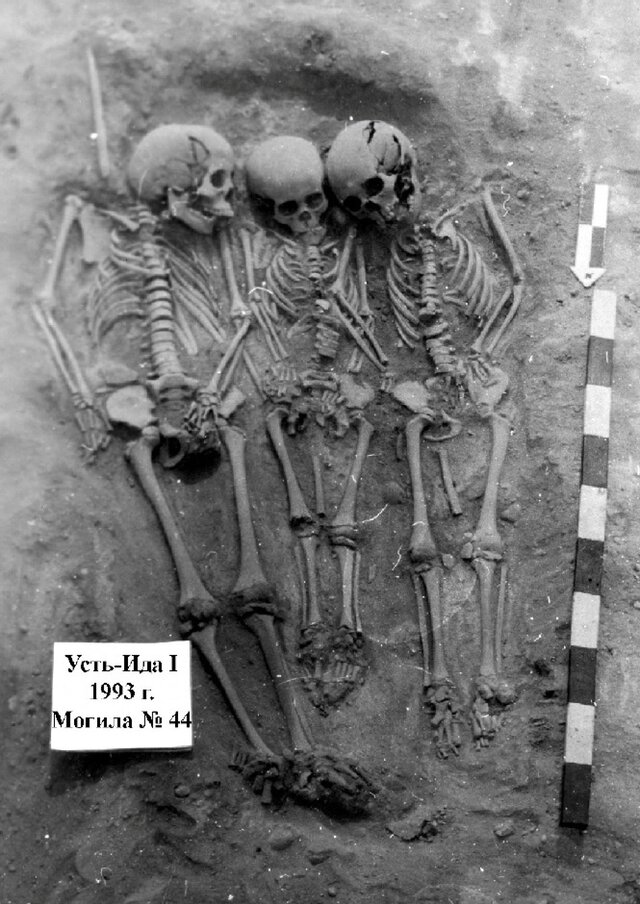
An international team led by Eske Willerslev, including researchers from Irkutsk State University and the Russian Academy of Sciences, published a study in Nature examining the remains of 46 people from four burial sites along the Angara River near Lake Baikal: Ust-Ida-1, Shumilikha, Bratsky Kamen, and Serovo.
The people, who lived roughly 5,500 years ago, were hunter-gatherers who did not farm or keep livestock besides dogs. The burial sites were up to 340 kilometers apart, yet those buried shared recent ancestors, suggesting contact along the riverbanks.
Geneticists examining ancient DNA in dental tissue found traces of Yersinia pestis, the bacterium that causes plague, in 18 of the 46 people studied. At Ust-Ida, the largest site, a third of those buried were infected. Many of the dead were relatives, and child mortality was unusually high — one grave held three related girls, all of whom tested positive for the bacterium.
The bones showed no signs of violence, and no other clear cause of death was found. Combined with closely matching bacterial genomes and tightly clustered burial dates, researchers concluded this reflected an actual disease outbreak rather than isolated infections.
The strain found lacked a gene that later plague strains used to spread efficiently via flea bites, meaning transmission worked differently — possibly starting with contact with marmots during hunting or butchering, then spreading between people.
The discovery is significant because epidemics are usually linked to the shift to farming and denser settlements. But the Baikal hunter-gatherers had no permanent settlements or domesticated animals beyond dogs, and plague still spread within small family groups.

/nginx/o/2026/10/02/17950820t1hf79f.jpg)