Scientists Warn of Male Reproductive Health Crisis
Researchers report a potential 50% decline in average testosterone levels over the past 50 years, but experts disagree on the existence and causes of a crisis.
Debate over male reproductive health
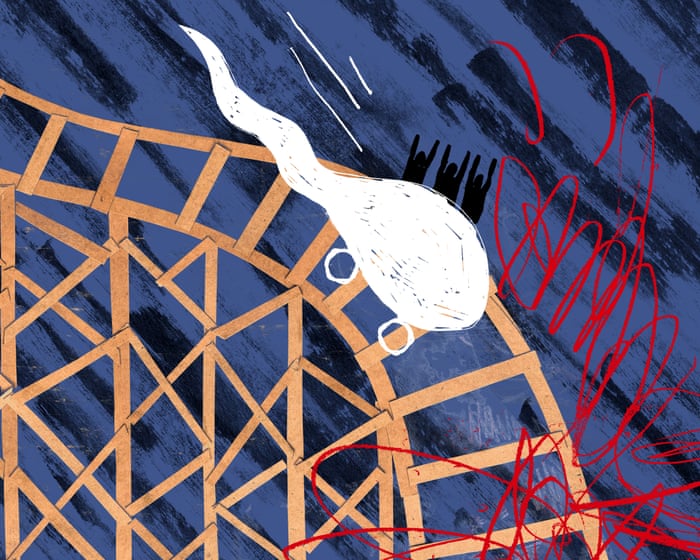
Scientists this week warned that the world may be facing a male reproductive health crisis, based on data showing a 50% decline in average testosterone levels over the past 50 years. Professor Hagai Levine, who led the study, called on the public to wake up and pay attention to the issue.
However, other experts express skepticism. Professor Allan Pacey of the University of Manchester notes a tendency to select data that supports one's viewpoint. His group's analysis, using more consistent measurement techniques, found no evidence of a substantial decline in sperm count, although sperm quality did appear to deteriorate.
Causes and influencing factors
One less contentious aspect is the link between male reproductive health and overall health. Experts agree that the testosterone decline is partly explained by rising obesity and diabetes rates. Excess body fat accelerates the conversion of testosterone to estrogen and disrupts hormonal signaling in the brain. One study indicated that each BMI point is associated with a 2% decrease in testosterone.
Debate continues over the role of environmental contaminants such as microplastics and chemicals. Some studies show negative effects, but others, like highly controlled experiments by Professor Rod Mitchell of the University of Edinburgh, found no significant changes in testosterone levels or testicular development.
Future prospects and concerns
While there is hope that research into male fertility could yield clinical benefits, such as microfluidic systems and AI for sperm selection, experts caution against premature conclusions. Levine advocates the precautionary principle, arguing that even a small chance of serious consequences justifies action. However, others like Mitchell are not worried about imminent extinction, noting that population decline may be driven by other factors.