Scientists clash over whether slime moulds count as 'intelligent'
A heated scientific debate over whether simple organisms such as slime moulds should be classed as intelligent could reshape how we understand nature and humanity's place within it.
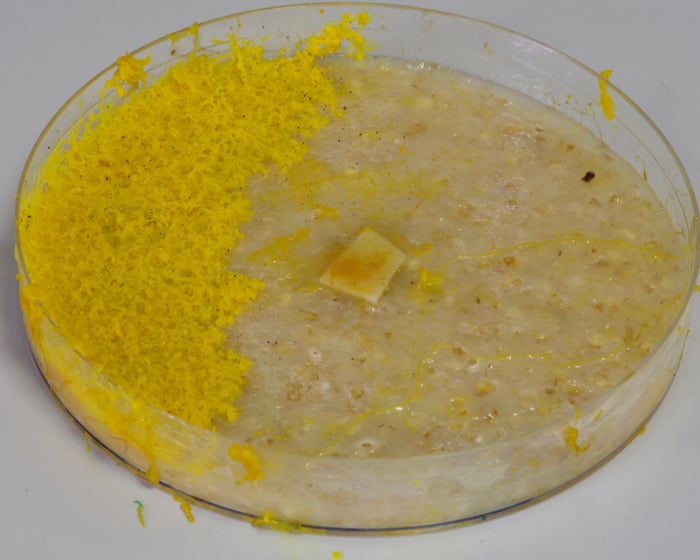
A new Guardian podcast episode examines an ongoing dispute among scientists about how intelligence should be defined, and whether the term can apply to organisms that lack a brain or nervous system altogether. At the centre of the argument are slime moulds, single-celled organisms long regarded as among the simplest forms of life.
Some researchers argue that the ability of such organisms to adapt, make what look like decisions, and solve problems points to some form of intelligence, even without anything resembling a brain. Others regard this broadening of the term as risky — the episode's title quotes one voice in the debate warning "this is dangerous," suggesting that stretching the definition of intelligence too far could distort scientific understanding.
The podcast's creators note that the outcome of this debate carries wider implications. It could reshape not only biology and neuroscience but also deeper philosophical questions about what the mind is and where humans sit among the range of living organisms exhibiting intelligent-seeming behaviour.
The episode was written by journalist Samanth Subramanian and read by Mikhail Sen. It was published in the Guardian's Science section on 5 October 2026.
The question of whether slime moulds and similar organisms possess intelligence is not new, but it has gained fresh urgency amid growing scientific interest in alternative forms of intelligence in nature and what they might mean for broader theories of consciousness.