The Last Liv Is Not Dead: Zoja Sīle on Keeping the Livonian Language Alive
Livonian language and culture keeper Zoja Sīle talks about her life's work at the Liv Institute, where she runs a reading club and has co-created a new songbook in the Livonian language with Dzintra Tauniņa.
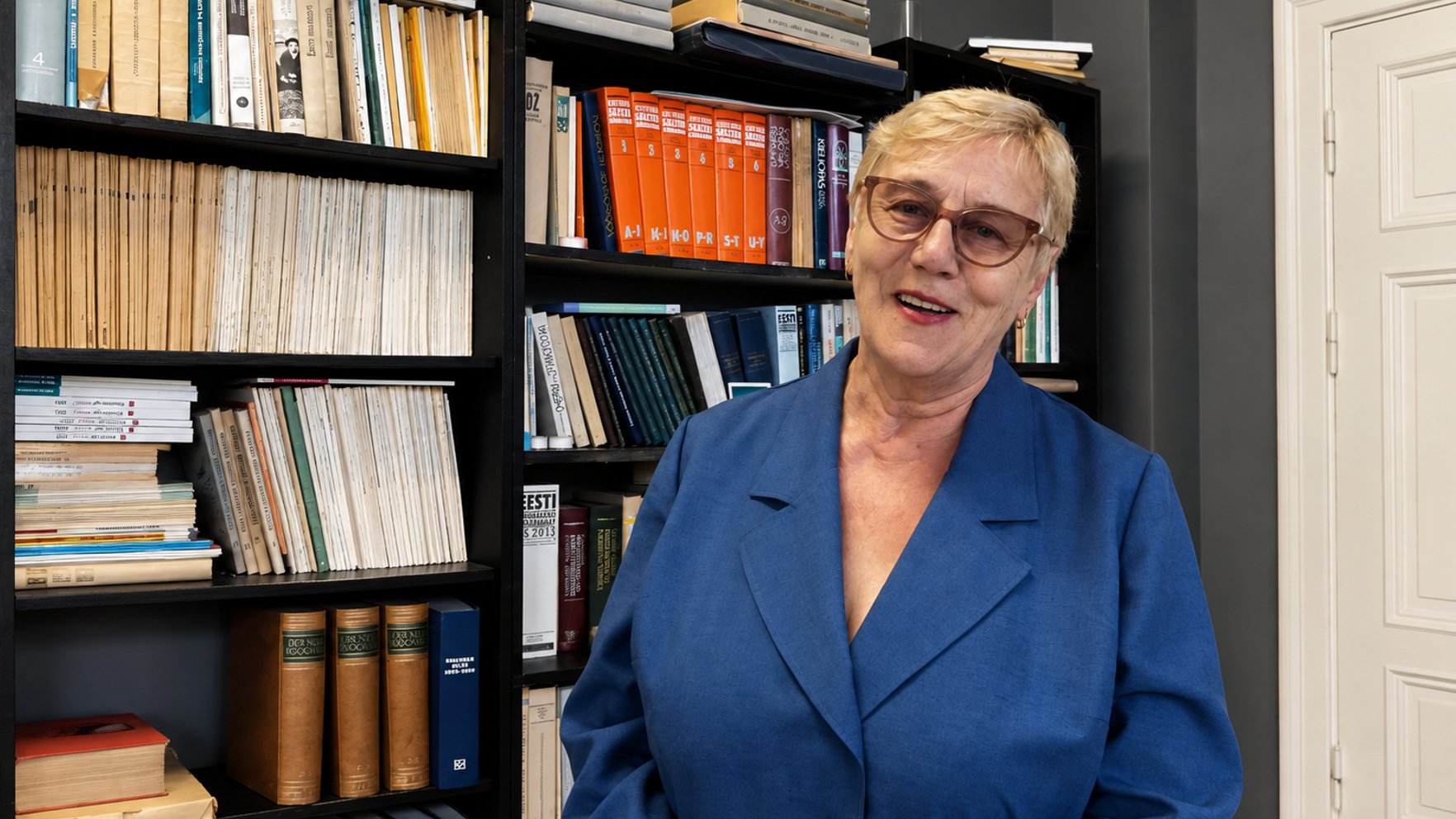
Zoja Sīle, a lifelong keeper of Livonian (Liv) language and culture, has dedicated her life to preserving the heritage of the Liv people and passing it on to younger generations. In an interview, she admits that few people remain with whom she can converse in Livonian on a daily basis, so she finds other ways to keep the language alive.
Sīle runs a reading club called "Vešprāiga" at the Liv Institute, housed in a building of the Art Academy of Latvia on Kronvalda Boulevard. According to her, the club's purpose is joint reading, since it allows participants to hear the language, talk with one another and analyze texts — compensating for the fact that Livs rarely speak the language among themselves in everyday life. In October, the institute's rooms will fill with Livs from the historic coastal villages for a gathering.
Together with Dzintra Tauniņa, leader of the Kolka Liv ensemble "Laula", Sīle has created a new songbook in the Livonian language titled "Min nim um loul" ("My Name Is a Song"), which was presented at a Liv festival. She describes it as a kind of minimum collection of Liv songs.
Sīle was born on November 15, 1950, at Dundaga hospital, though her mother's family comes from Saunags. Her maternal grandparents were established farmers whose pre-war lifestyle was described as a combination of farming and fishing, since fishing was impossible in winter and work also continued in the forest. Her grandfather owned a large plot of land but mainly worked as a fisherman, while her grandmother Milda raised the children.
In the 1950s, Soviet authorities established a border zone that significantly changed daily life for Livs along the coast. Sīle attended school in Mazirbe until the first quarter of eighth grade, after which her family had to relocate to Jelgava, where her mother's sister and brother already lived. Before moving, her parents sold their property and packed their belongings. After finishing school, Sīle also traveled to Riga with friends.
/nginx/o/2026/09/09/17907834t1hd60e.jpg)