Sweden's local food heroes: how eastern Sweden is bringing food production back home
A network of local producers across Gästrikland and Hälsingland in eastern Sweden is reshaping how food is grown, sourced and cooked, tying sustainability to community and integration projects.
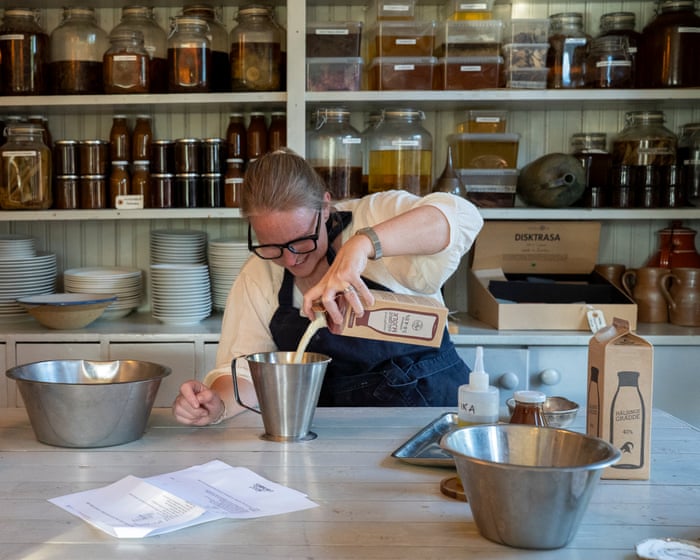
Two hours north of Stockholm, on the site of a former ironworks, the Högbo Brukshotell has become a case study in rethinking food provenance. Stefan Johansson, once the hotel's head chef and now responsible for its sustainability, says the turning point came years ago when a journalist asked why he cooked the food he did. That question pushed him to narrow his sourcing to the surrounding region rather than looking abroad for inspiration.
From lamb to greenhouses
The Made in Högbo project began with in-house lamb rearing and butchery, followed by vegetable production in greenhouses. Refugees from Myanmar and newer arrivals from the Democratic Republic of the Congo have taken part in the growing projects while attending Swedish language classes, introducing crops such as papaya and bananas rarely grown in Sweden. Plans are underway for an aquaponics system combining greenhouse growing with tilapia farming. The site now also includes a bakery, a microbrewery, a dairy and a delicatessen.
A wider regional network
Travelling through Gästrikland and neighbouring Hälsingland reveals a broader web of producers built on the same idea. In Gammelstilla, a former ironworks now houses a whisky distillery, while The Old Mill restaurant in Gästrike-Hammarby serves a tasting menu built around local suppliers, including the invasive Japanese knotweed.
At Bergmans Fisk in Norrsundet, a seventh-generation fishing family smokes salmon and herring using methods refined over generations, and has recently added a restaurant, a mobile fish van and plans for a small hotel.
In Hälsingland, miller Anna Larsson at Teve Kvarn sources grain from within roughly 150km, while her husband Jonas runs the nearby Tevsjö distillery, powered by hydroelectricity and now producing more than ten times its original output, creating ten local jobs in the process.
At Järvsö Lanthandel, chef Tobias Annerhult builds his entire approach around local ingredients, pickling, curing and fermenting produce to cope with Sweden's short growing season. The visit concluded with a shared meal using flour, cheese, fish and vegetables sourced entirely from the region — a demonstration of how closely food and place can be tied together.


