25 US states sue Trump administration over new tariffs
A coalition of 25 US states has filed a lawsuit challenging the Trump administration's latest tariffs on imports from 60 trading partners, arguing the move illegally circumvents a Supreme Court ruling and harms families and businesses.
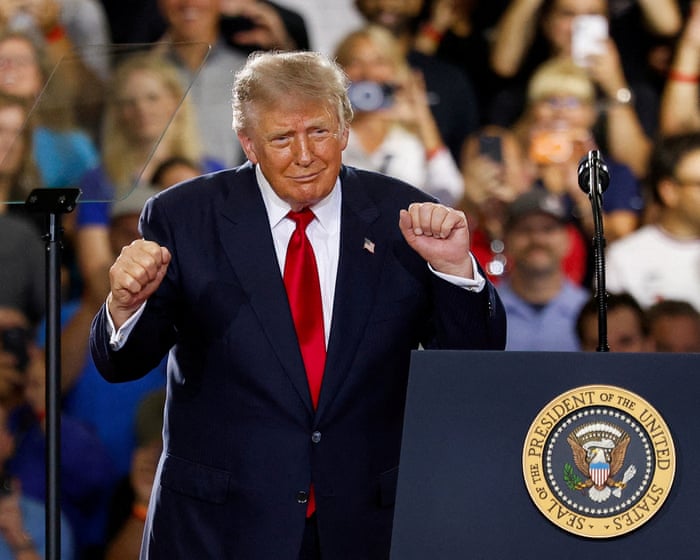
A coalition of 25 US states filed a lawsuit on Monday against the Trump administration over new tariffs ranging from 10% to 12.5% on goods imported from 60 trading partners. The states contend that the tariffs serve as a pretext for replacing import taxes that the Supreme Court struck down in February.
The lawsuit, filed in the US Court of International Trade, seeks to halt the tariffs, have them declared unlawful, and order refunds of duties already paid. According to the states, the tariffs imposed last month on 59 countries and the European Union cover 99.4% of all US imports. Administration officials have defended the measures by claiming that these countries have not done enough to combat imports produced by forced labor.
New York Attorney General Letitia James said in a statement that after losing at the Supreme Court, the administration is once again trying to illegally raise taxes on families and businesses. She added that the law and the Constitution make clear that the president does not have the power to impose sweeping tariffs on any country he chooses.
The states joining the action include New York, Arizona, California, Colorado, Connecticut, Delaware, Hawaii, Illinois, Massachusetts, Maryland, Maine, Michigan, Minnesota, Nevada, New Jersey, New Mexico, North Carolina, Oregon, Rhode Island, Virginia, Vermont, Washington, and Wisconsin, along with the governors of Kentucky and Pennsylvania.
The new tariffs took effect in July after the earlier "Liberation Day" tariffs were ruled unconstitutional in February and a separate set of temporary tariffs expired. The latest tariffs rely on Section 301 of the Trade Act of 1974, a law designed to target countries that use forced labor. Major trading partners affected include Canada, Japan, Norway, Taiwan, and China.
The lawsuit follows a separate legal challenge filed by the Liberty Justice Center on behalf of two US small businesses, arguing that President Trump exceeded his executive authority with the tariffs.
White House spokesman Kush Desai defended the tariffs, stating that the United States is using its lawful authority to address unreasonable acts and policies that burden US commerce. He said that a foreign country's failure to prohibit imports made with forced labor is unreasonable and burdens American workers, and that Section 301 tariffs have proven legally durable since the president's first term.
New York Governor Kathy Hochul and Attorney General James argued that the administration's tariffs, based on a supposed investigation into forced labor efforts, do not satisfy Section 301's requirements. They said the administration is using forced labor as an excuse to continue imposing damaging tariffs that raise prices for consumers. Hochul described the tariffs as a tax on hardworking families, driving up costs of groceries, household essentials, building materials, and other everyday goods.