Apples with cinnamon: what studies say about blood sugar effects
Research suggests apple fibre and polyphenols, as well as cinnamon, may under certain conditions affect blood glucose after eating. The results are not conclusive and do not apply directly to the apple-and-cinnamon combination.
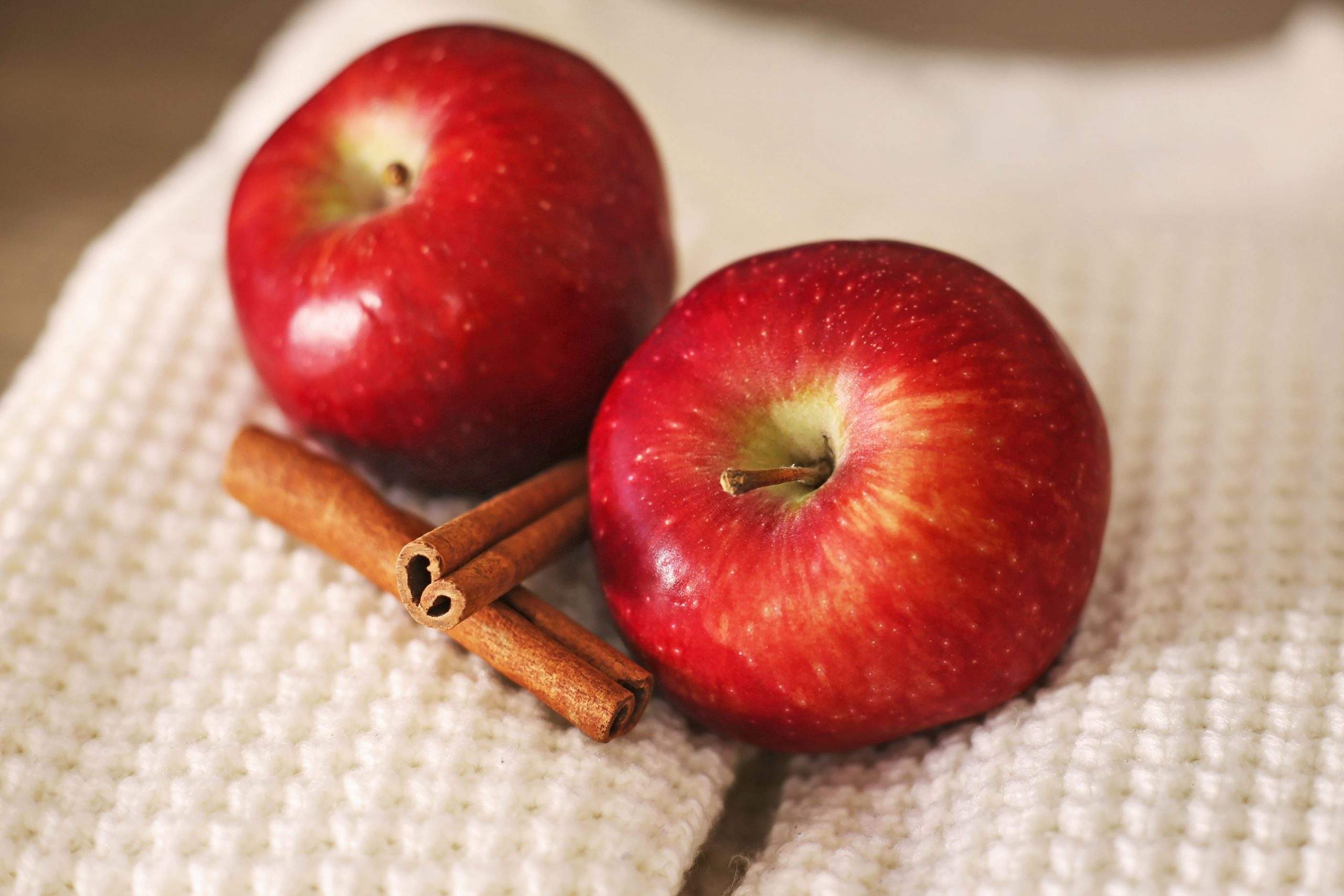
Baked apples with cinnamon are a familiar autumn treat for many, but the pairing also draws interest from nutrition researchers. According to the Ukrainian news portal Unian.net, scientists have been examining how compounds in apples and cinnamon may influence blood glucose, or sugar, levels. This matters beyond people with diabetes, since everyday diet affects how quickly blood sugar rises after a meal.
What apples contain
Apples contain water, dietary fibre and other nutrients. Fibre slows digestion and glucose absorption, so blood sugar usually rises more gradually after an apple than after foods high in added sugar.
Apples also contain polyphenols, plant-derived compounds that include quercetin and phloridzin. Some studies suggest these substances may affect glucose absorption in the gut. In studies using concentrated apple polyphenol preparations, researchers observed a delayed or smaller rise in blood sugar after a carbohydrate-rich meal. However, those findings cannot be directly applied to eating an ordinary apple.
The role of cinnamon
Cinnamon gives food a mildly sweet taste and can therefore reduce the need for added sweeteners such as white or brown sugar. Some studies have found that regular cinnamon use over several weeks might improve blood glucose regulation, but the results are mixed. The amount and frequency of use may both matter. Experiments often used several grams of cinnamon, far more than the pinch typically added to one apple, so it is unclear whether such a small amount significantly affects blood sugar.
In a small experiment, 14 healthy adults ate rice pudding with or without six grams of cinnamon. Cinnamon slowed gastric emptying, and blood sugar rose less after the meal. But the study used rice pudding rather than apples, so it does not allow firm conclusions about the apple-and-cinnamon combination.