Lawyer: Istanbul Convention alone does not change Latvian laws
Sworn attorney Jānis Dzanuškāns argues that no Latvian law becomes better or worse simply because of the convention. In his view, victims' safety depends on the state's ability to stop violence and hold offenders accountable.
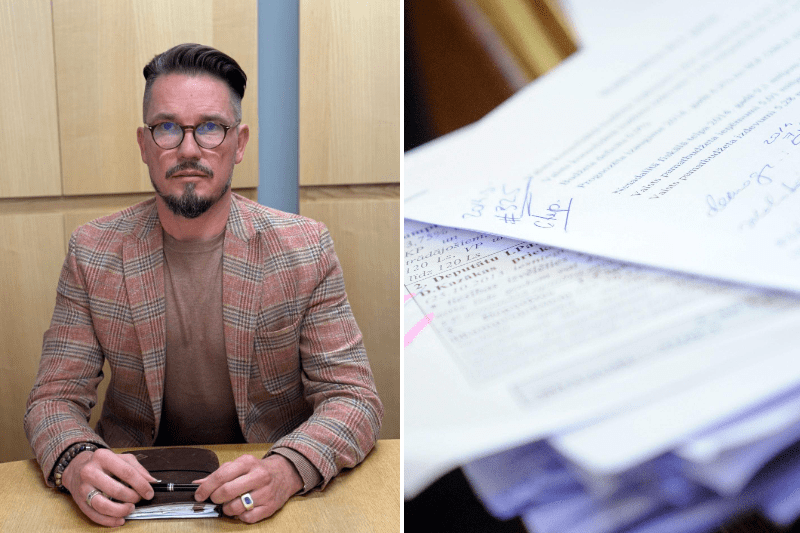
Sworn attorney Jānis Dzanuškāns, assessing the Istanbul Convention purely from a legal standpoint, concludes that the international treaty does not in itself change the quality of Latvian legislation. The Istanbul Convention is a European treaty aimed at preventing violence against women and domestic violence, protecting victims and promoting gender equality. In Latvia it has been among the most debated topics in recent years, with neither society nor politicians in agreement.
The convention's path in Latvia
The Saeima, Latvia's parliament, adopted the convention on 30 November 2023, and it formally entered into force on 1 May 2024. In October 2025 the Saeima voted to withdraw from it, but in November the bill was sent back for reconsideration. It is currently unknown whether the convention will remain in force in Latvia. It has been ratified in 38 European countries.
The legal assessment
Dzanuškāns acknowledges that Article 3(c) of the convention defines gender, Article 12 provides for measures to reduce stereotypes, and Article 14 concerns education. However, he argues that these provisions do not oblige Latvia to legalise same-sex marriage or abolish the concept of biological sex. He also cites the Constitutional Court's judgment of 4 June 2021 in case No. 2020-39-02, which did not find that the convention by itself imposes a particular family model.
The attorney considers the supporters' argument that the convention aims to combat violence to be well founded. Articles 5–11 set out state obligations on preventing violence, coordinated policy, providing resources and collecting data.
At the same time, violence prevention, criminal liability, victim protection and social assistance in Latvia are governed by national law, which determines how police, prosecutors, courts and social services act. GREVIO, the expert body monitoring the convention, noted progress in its 2026 evaluation but pointed to gaps in the regulation of sexual violence, victim support services and the assessment of violence in family cases. The attorney believes such gaps can be addressed by amending the Criminal Law, funding shelters and improving cooperation between institutions.
He accepts that the convention creates international commitments and independent monitoring, but says this is not the same as applying a provision in a Latvian court. In his view, a victim's safety is determined not by a treaty on paper but by the state's ability to notice violence in time, stop it and hold offenders accountable.