Beer and vodka lose ground to kombucha and energy drinks as Lithuanian producers adapt
Lithuanian drinks producers are shifting strategies as younger consumers increasingly choose non-alcoholic and functional beverages, while alcohol consumption continues to decline.
Lithuania's beverage industry is undergoing a significant transformation as traditional alcoholic drinks like beer and vodka lose popularity among younger consumers, who are turning to kombucha, smoothies, vitamin-enriched drinks, and energy drinks. According to the State Data Agency, alcohol consumption in Lithuania is steadily falling. In 2025, the average resident aged 15 and over consumed 10.16 litres of pure alcohol, a slight decrease from 2024. Beer sales dropped by 3.2% to 186 million litres, while spirits sales fell by 0.9%. However, sales of fermented drinks and alcoholic cocktails increased. The Hygiene Institute reported 27,000 people diagnosed with alcohol-related conditions in 2025, 2.3% fewer than the previous year.
Major brewers are adapting their portfolios. Dainius Smailys, corporate affairs director at Švyturys-Utenos Alus (owned by Carlsberg Group), noted a long-term structural shift in consumption patterns. Carlsberg is transforming from a traditional brewer into a broader drinks company, with non-alcoholic and low-alcohol drinks accounting for 31% of its sales last year. The company also signed a deal to distribute PepsiCo products from 2029. Meanwhile, Kalnapilis-Tauras Group reported revenue of €83.8 million in 2025, down 4.7%, but maintained market share through innovation and expansion into functional waters.
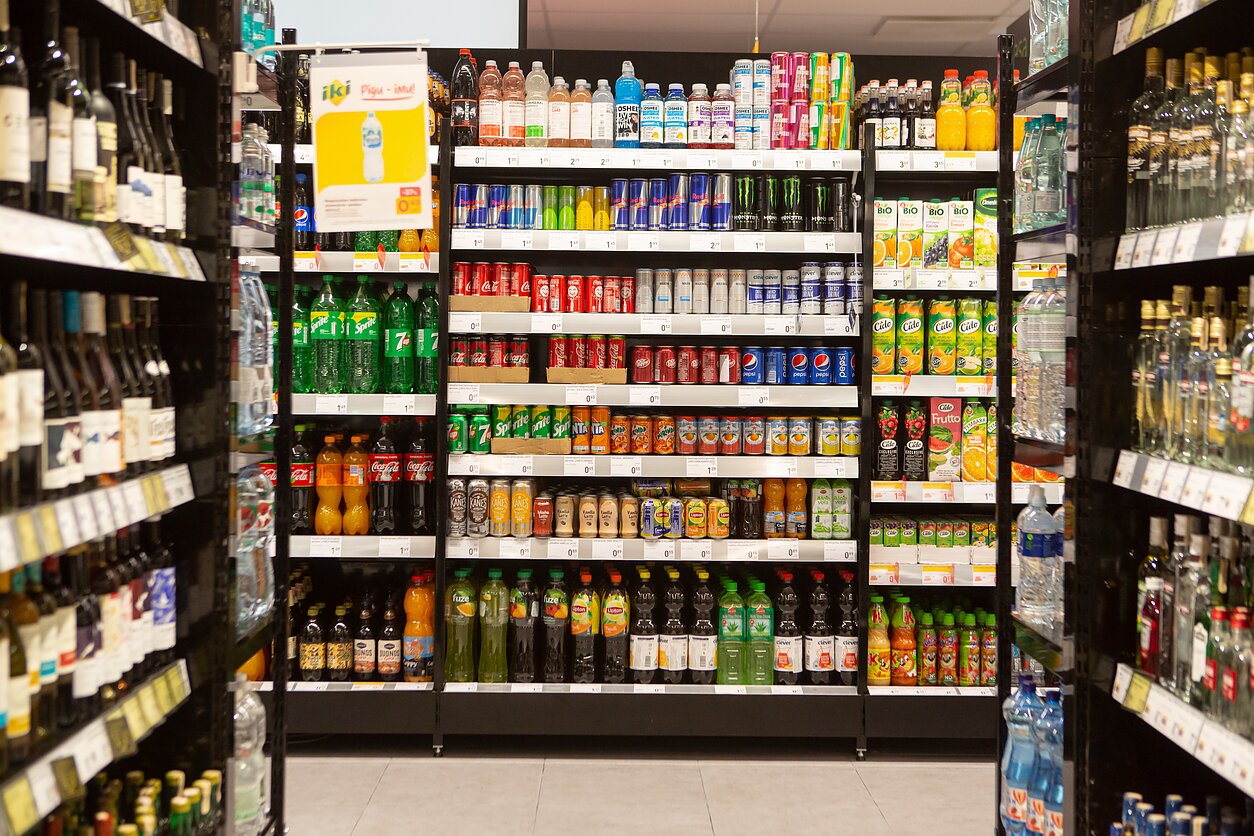
Market research firm NielsenIQ shows strong growth in alternative drink categories: energy drinks grew by around 10%, vitamin-enriched drinks by 54%, kombucha by 33%, and smoothies by 18%. New niches like caffeinated water are emerging. Consumer preferences are driven by energy boost (65%), digestion (61%), hydration (57%), immune support (53%), and cognitive benefits (45%). Lithuania's new sugar tax introduced this year also influences consumer behavior.
Volfas Engelman, a brewer holding about 30% of the Lithuanian beer market, reported that non-alcoholic products already make up 27% of its sales, with a target of 50%. CEO Marius Horbačauskas views the decline in alcohol consumption as a direction rather than a threat. The company is investing in a new warehouse in Kaunas to improve efficiency.
Spirits producers like MV Group Production are focusing on exports. CEO Algirdas Čiburys said the company exported to around 50 countries in 2025, entering six new markets, including Portugal, New Zealand, and Australia. Sales of non-alcoholic drinks at MV Group more than tripled between 2021 and 2025. The company also noted rising demand for non-alcoholic cocktails, beer, and sparkling wines. Notably, none of Lithuania's three largest brewers are under Lithuanian ownership: they belong to Swedish, Danish, and Finnish parent companies.