US Nuclear Regulatory Commission Proposes to Drop ALARA Principle, But Keeps Scientific Basis
The US NRC has proposed new rules that replace the "as low as reasonably achievable" (ALARA) principle with a graded approach to radiation exposure limits, while retaining the linear no-threshold (LNT) model. The changes are minimal and would save the industry about $9.5 million per year.
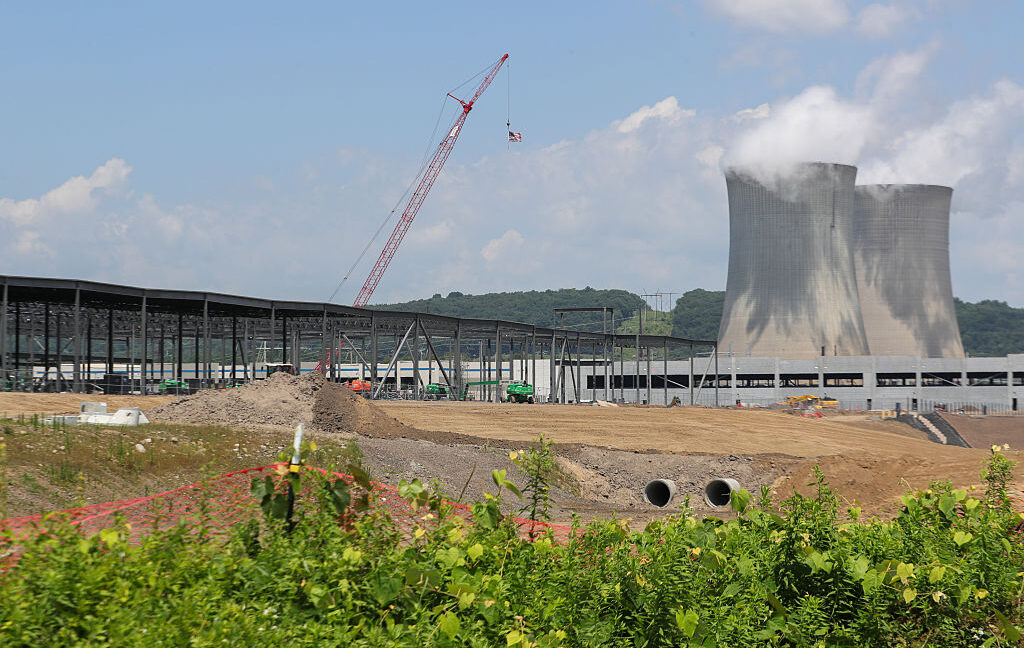
The Nuclear Regulatory Commission (NRC) has published a proposal for new rules that would alter how it regulates radiation exposure. Despite the Trump administration’s push to revitalize nuclear power, the commission largely endorses the current scientific foundation and merely drops terminology that it says caused confusion.
At the heart of the regulations are two acronyms: LNT (linear no-threshold) and ALARA (as low as reasonably achievable). The LNT model posits that any radiation dose, even a very small one, can cause biological harm and that risk scales linearly with dose. The NRC states that no scientifically sound alternative to LNT exists, so it will retain the model.
The ALARA principle was used to minimize radiation exposure, but the NRC acknowledges that its implementation led to uncertainty about when dose reduction is sufficient. The new proposal replaces ALARA with an "optimization" approach that sets exposure thresholds based on dose levels. Higher levels require more aggressive mitigation.
Additionally, the NRC plans to update requirements for radiation monitoring equipment, as technology has advanced since the last update.
The changes are modest: any organization currently in compliance will remain so without adjustments. The NRC estimates the new rules will save the entire industry (including medical and research sectors) only about $9.5 million per year. Spread across the 57 US nuclear plants, that averages just over $150,000 per plant. Thus, expectations of a nuclear boom are unlikely to materialize.

