Katalyst's satellite rescue mission chases NASA's Swift observatory
Katalyst Space Technologies has successfully launched the Link satellite to rescue NASA's Swift observatory from orbital decay. This is the first commercial attempt to capture an unprepared satellite.
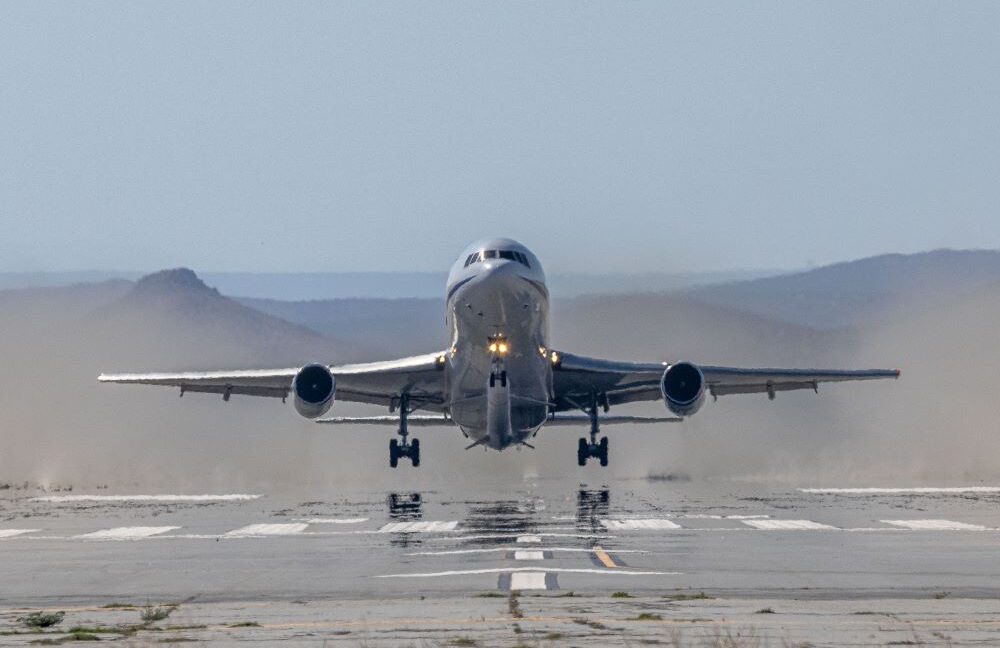
Katalyst Space Technologies has embarked on a historic mission to rescue NASA's Swift space observatory, which is dangerously close to falling out of orbit. On Independence Day weekend, a Pegasus XL rocket launched from Kwajalein Atoll in the Pacific Ocean, carrying the Link satellite into orbit. This marks the first time a commercial spacecraft will attempt to rendezvous with and capture an unprepared satellite to boost its altitude.
The nearly half-ton Link satellite was built and launched in less than a year after NASA awarded a contract to Katalyst in September. Typically, developing a satellite of this size and complexity takes several years. Link is equipped with three robotic arms to grab Swift and three plasma thrusters to raise the observatory to a higher orbit.
Swift, a $500 million observatory, has been studying gamma-ray bursts for 21 years. Its orbit is inclined 20.6 degrees to the equator, and without intervention, it will drop below 300 kilometers in October, making a rendezvous impossible due to atmospheric drag. Although the mission is risky—Swift was never designed to meet another spacecraft—Katalyst and NASA believe it is crucial to demonstrate robotic satellite servicing capabilities.
NASA officials acknowledge that successfully launching Link is already a significant achievement. Over the next several weeks, checkout procedures will be performed, after which Link will approach Swift, survey it, and then capture and raise its orbit over several months.

