US new power plants in 2026 dominated by solar and battery capacity
Among US power plants that came online this year, solar leads in installed capacity, followed by batteries and wind, while gas plants account for only a small share of new capacity.
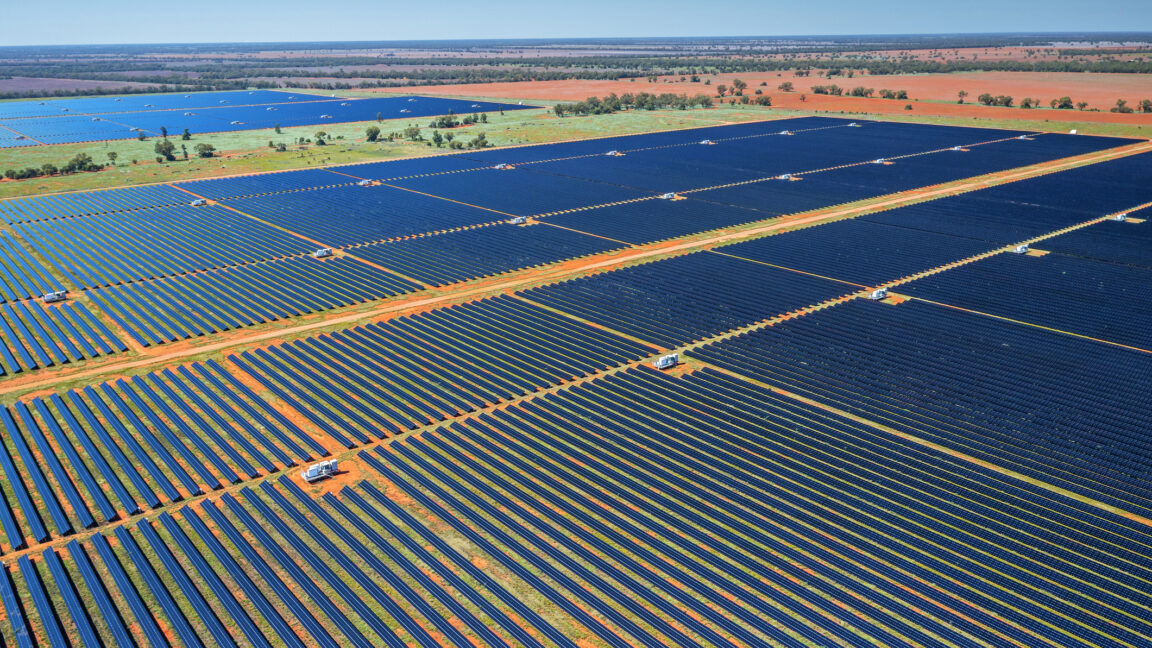
A review of the list of every US power plant that went online this year shows natural gas combustion turbines led in project count with 22, followed by natural gas internal combustion engines with 21. Onshore wind added nine projects, while combined-cycle natural gas plants, despite large amounts of announced capacity in development, saw only three projects reach completion. A bigger wave of new gas plants is expected only in a few years.
A different picture by capacity
Looking at generating capacity rather than project count changes the picture. Utility-scale solar led with 11,458 megawatts, followed by batteries with 8,207 megawatts and onshore wind with 5,473 megawatts, the latter driven largely by the SunZia projects. The three largest types of natural gas plants together added 2,707 megawatts of new capacity. Small-scale solar, including rooftop installations, is not included in this data.
Comparing these figures requires caution, since technologies differ significantly: solar does not generate power at night, while many gas plants operate only a few days or weeks per year, mainly to meet peak demand.
Mostly small and mid-size projects
Eric Gimon, a senior fellow at the think tank Energy Innovation, explained that most new projects are small or mid-size utility-scale solar installations. They rarely attract attention but are widespread, and many are paired with battery storage. According to Gimon, these smaller projects are easier to build because suitable sites are more diverse and easier to find.
Three states, half the new capacity
Texas, New Mexico and Arizona together account for roughly half of the country's new generating capacity. Texas led the group, with its energy mix leaning more heavily on batteries and gas than other states. In Texas, batteries topped the list with 3,067 megawatts, followed by utility-scale solar with 2,311 megawatts and natural gas combustion turbines or internal combustion engines with 1,154 megawatts.