Batņa: Twitter users and lawmakers owe an apology to scientist Ivars Kalviņš
On 22 October the Saeima reversed its own decision to grant Latvian citizenship to Divya Vishwanatha. In the debate, Batņa said an apology was due to Latvian Academy of Sciences president Ivars Kalviņš.
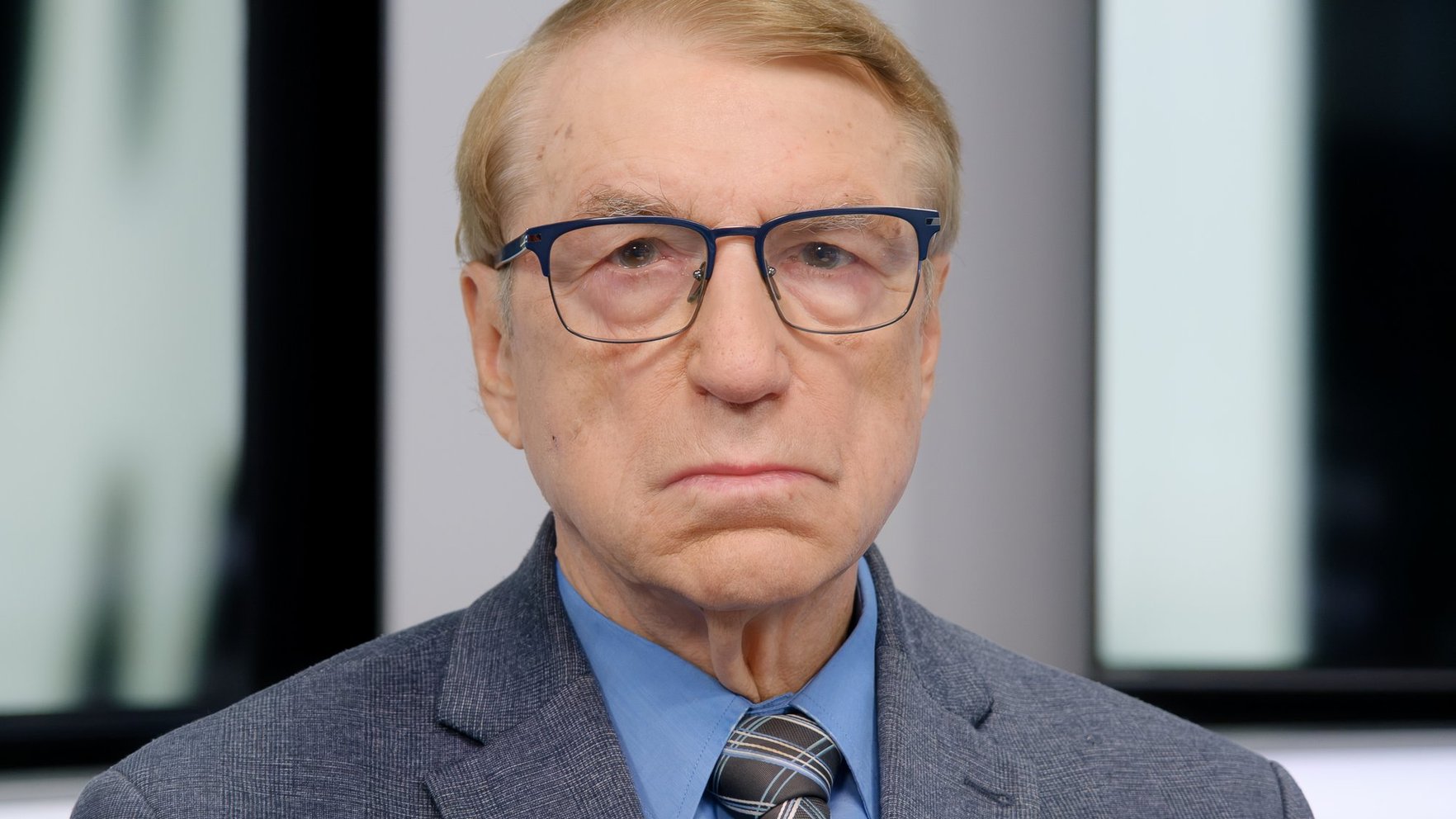
On Thursday, 22 October, the Saeima, Latvia's parliament, revoked its own earlier decision to grant Latvian citizenship for special merits to Divya Vishwanatha. A debate preceded the vote. During it, Batņa said an apology was owed to Ivars Kalviņš, president of the Latvian Academy of Sciences (LZA), who had been among those promoting the citizenship grant.
Background
The justification for revoking the decision says the LZA, a derived public body within the indirect state administration, may have misled the lawmakers. As reported by "TV3 ziņas", several academy members demanded Kalviņš's resignation. Scientists were unhappy because of doubts about Vishwanatha's education and the authenticity of her scientific publications. Kalviņš had recommended her for citizenship, stressing her work in research and artificial intelligence development.
Views of lawmakers
Edvīns Šnore of the National Alliance said information had been withheld from deputies and fraud may even have taken place; he said the Saeima now had a chance to correct the mistake. Gunārs Kūtris of the Union of Greens and Farmers opposed revoking the decision, arguing it was based on rumours. He also rejected the claim that the LZA had misled parliament. Edmunds Jurēvics, leader of the New Unity faction, said mistakes must be admitted and corrected, and apologised for having voted for the citizenship earlier.
Batņa said she was most troubled that, through "this Twitter battle", one of Latvia's most powerful scientists had been humiliated. In her view, an apology was due both from users demanding his resignation and from deputies who had voiced support for the revocation.
Vishwanatha's response
Answering the "Delfi TV" programme "Kāpēc", Vishwanatha said that, in her view, the social media reaction stems from disinformation and unverified reports. She added that scrutiny of public decisions is normal, but unfounded claims should not be used to question someone's reputation.