Boeing Starliner certification may be delayed to 2027, a decade late
A NASA inspector general audit suggests Boeing's Starliner capsule may not be certified for operational crew flights until 2027, ten years after the original target. The delays and technical issues have cost NASA hundreds of millions and forced reliance on SpaceX.
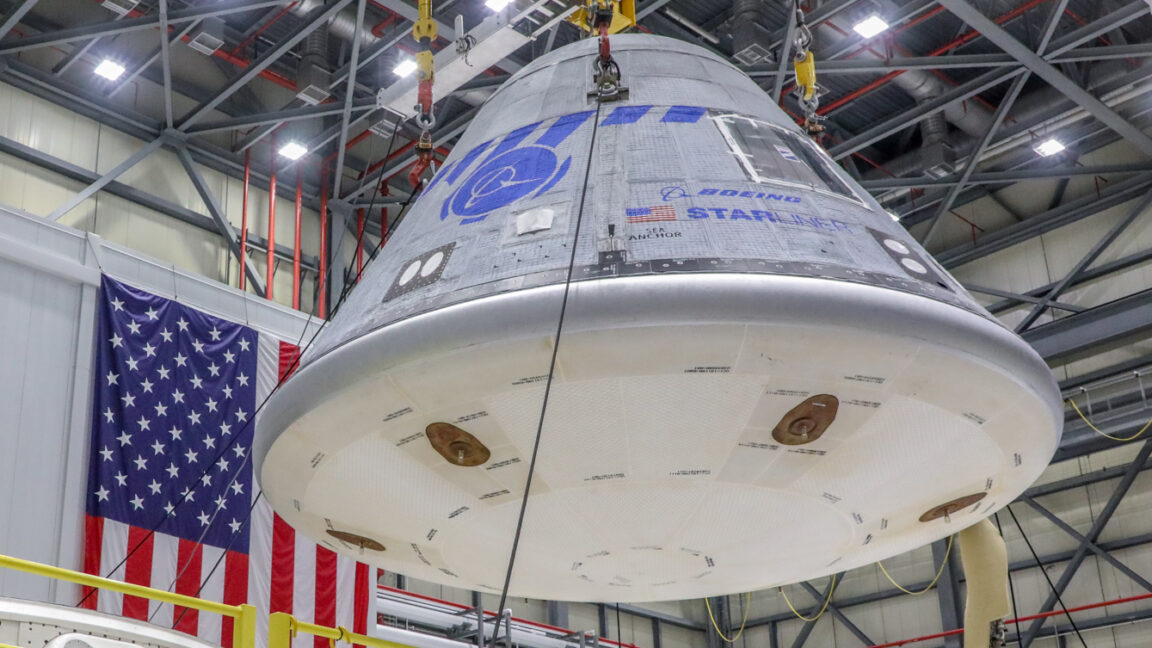
NASA's Office of Inspector General released an audit Tuesday of the agency's Commercial Crew Program, indicating that Boeing's Starliner crew capsule is unlikely to be certified for regular flights to the International Space Station (ISS) until 2027. That would be a decade later than Boeing's original 2017 goal. The audit issued six recommendations, all accepted by NASA, including developing a schedule for the next Starliner flight and ensuring resolution of problems from the 2024 Crew Flight Test (CFT).
During CFT, Starliner carried NASA astronauts Butch Wilmore and Suni Williams to the ISS for what was planned as an eight-day stay. After multiple technical issues, including helium leaks and overheating thrusters, NASA deemed the capsule unsafe for return, and the astronauts returned nine months later on SpaceX's Crew Dragon. The inspector general stated that NASA's and Boeing's overconfidence in heritage systems, an unachievable schedule, and limited flight simulation data contributed to the problems.
The Aerospace Safety Advisory Panel reported on June 22 that most of the roughly 100 in-flight anomalies have been investigated, but major issues like helium leaks and thruster overheating remain open. Parachute anomalies also require continued monitoring. The delays have led NASA to strip Boeing of two of six original crew rotation missions, reducing the contract value by about $500 million. One of the remaining four flights is now a cargo-only mission. NASA will need to purchase additional SpaceX missions to cover crew transportation needs through 2030, at an estimated cost of $300 million. The agency already paid SpaceX $17 million to accelerate Crew Dragon flights.
The inspector general also questioned nearly $128 million paid to Boeing since 2019 for the uncertain Starliner-3 mission. Boeing must now fit Starliner-1, a cargo mission, into ULA's Atlas V schedule and ISS docking availability. NASA Administrator Jared Isaacman classified the 2024 crewed flight as a "Type A" mishap in February, and two senior human spaceflight officials left their posts shortly after. The inspector general noted that ambiguity in NASA requirements and delayed mishap classification hindered resolution of issues.