Eurostat: Europeans trim transport and communication spending to fund leisure
Despite persistently high essential costs, eurozone households have shifted more of their budgets toward culture and dining over the past year while cutting back on transport and communication, new Eurostat figures show.
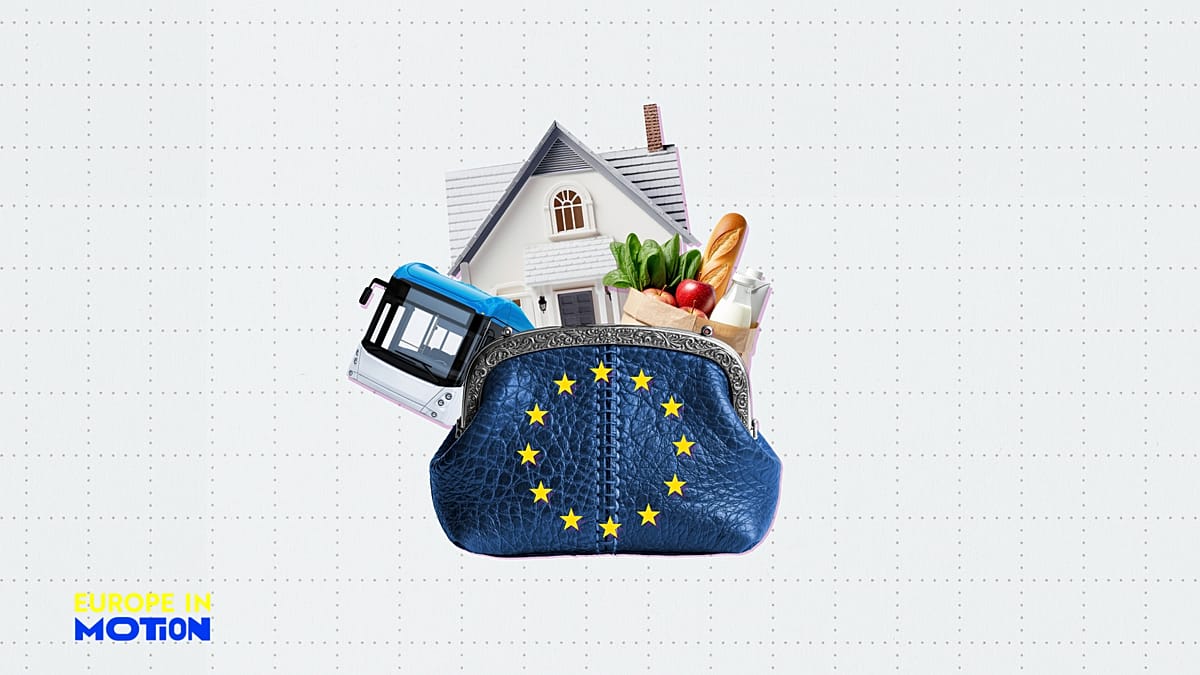
New Eurostat data suggests European households aren't abandoning life's little pleasures amid the cost-of-living squeeze — they're simply being more strategic about where their money goes. Eurozone inflation has climbed to a three-year high of 3.3%, while energy costs have jumped 14.3% over the past year. Yet rather than cutting spending across the board, consumers appear to be making targeted trade-offs.
The unavoidable costs
Housing, utilities, food, and transport together account for roughly 46% of every euro spent by EU households — the baseline needed to cover daily life. Housing and utility costs remain the single biggest drain, worsened by ongoing geopolitical tensions pushing up fuel and energy prices. Food prices have also settled at persistently high levels, forcing households to rethink their grocery habits.
Where the money is going
According to Eurostat, between January 2025 and January 2026, spending on recreation, sport and culture saw the largest increase, rising by 1.2 percentage points. Restaurants and accommodation spending rose by 0.3 percentage points, while education edged up by 0.1 percentage points. This suggests consumers are still finding room for a concert ticket or a meal out, even as they economise elsewhere.
Where households are cutting back
To offset these increases, households reduced spending in other areas. Transport's share of total spending fell by 0.4 percentage points over the year, while spending on information and communication dropped by 0.3 percentage points — a sign that households are trimming fixed costs like phone and connectivity plans to free up cash for other priorities.
Eurostat notes that this trend isn't evenly distributed. Lower-income households generally have little flexibility, as most of their budget already goes toward utilities and food. The rise in spending on recreation and dining is instead driven mainly by middle- and higher-income consumers seeking to protect their quality of life.
/nginx/o/2026/09/04/17895985t1h5263.jpg)

