Ģirģens: Procurement Risks Should Be Checked at the Planning Stage
Sworn attorney and former Latvian interior minister Sandis Ģirģens urges the government to assess risks in large public procurements before tenders are announced, rather than dealing with the consequences after losses occur.
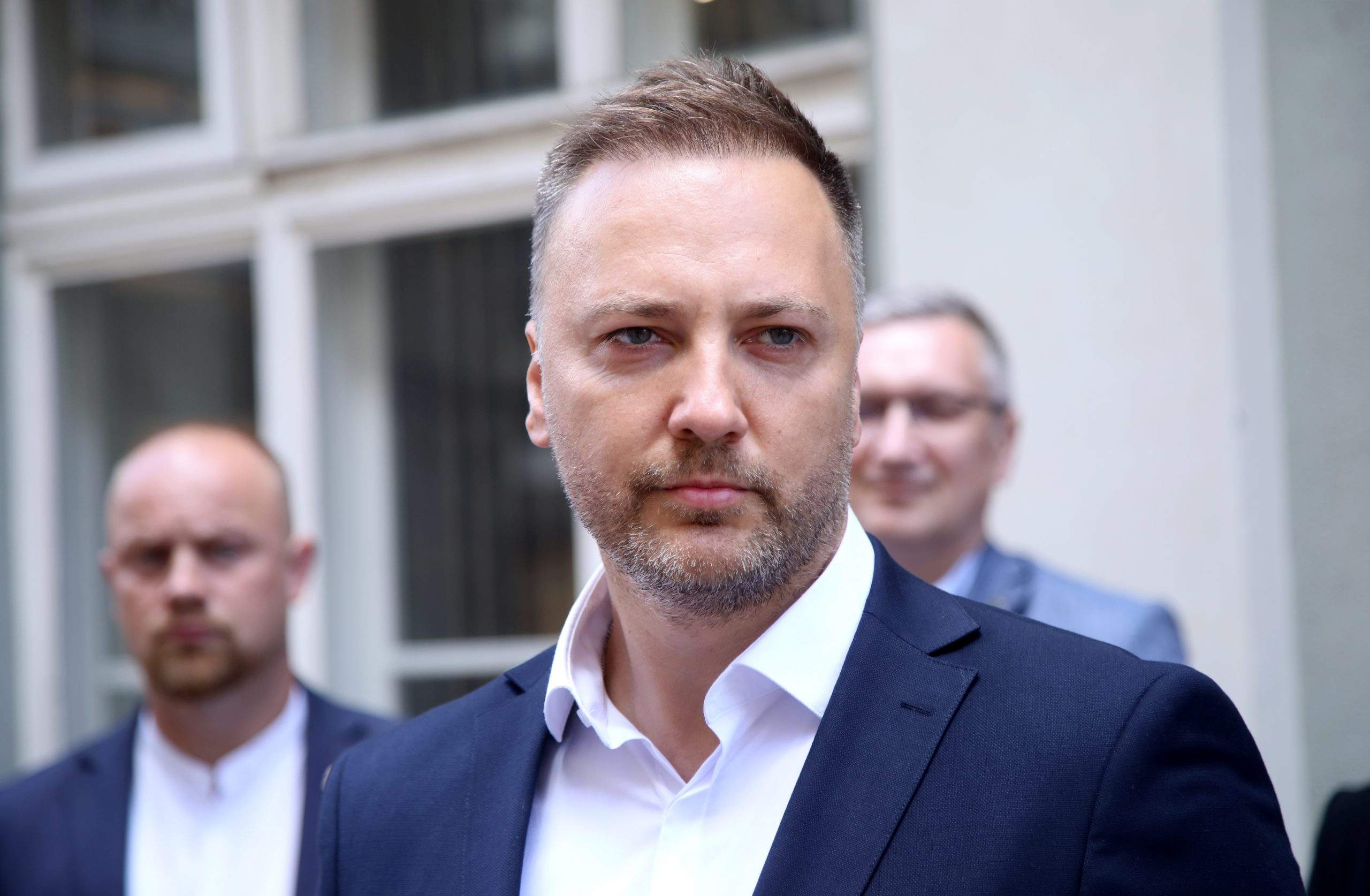
Sandis Ģirģens, a sworn attorney and former Latvian interior minister, called on the country's public administration to examine public procurement risks far more thoroughly at the planning stage. Speaking on the TV24 programme "Preses klubs", he said the state should not wait until a problematic procurement is finished and taxpayers have already suffered losses running into millions.
Oversight bodies at the government table
Ģirģens said that while serving in government he wondered why the expertise of oversight institutions is not used more actively when large expenditures and procurements are planned. He said he still does not understand why the State Audit Office, the Competition Council and the Corruption Prevention and Combating Bureau (KNAB) do not actively take part in Cabinet meetings that deal with the budget and procurement plans.
The institutions have different functions. The Competition Council monitors whether procurement documents contain conditions that restrict competition, while KNAB analyses corruption risks in public procurement. The institutions themselves have pointed to the need to identify risks early and exchange information.
Analysis before the tender
In Ģirģens' view, the state too often fights consequences. He proposed directing more resources to analysis and to specialists who could check procurement documentation before a tender is announced. He believes the institutions need both legal and technical experts who could assess the largest procurements during budget preparation and spot potential "red flags".
As interior minister, he said, he followed this approach himself: when proposals for several million euros for a specific procurement reached his desk, he asked for the documents to be left for a few days for review. His team included people responsible separately for the legal and technical sides, and a decision was made after the risks were assessed. "It is no great feat to fight the consequences. You have to see the problem at its root," he said.
Personal accountability
He argues that personal responsibility in public administration often takes a back seat. If a failed or poorly supervised procurement costs taxpayers several million euros, it should be established not only what systemic errors occurred but also which officials supervised the process.
The Competition Council states that procurement requirements must be proportionate to the subject of the procurement, since limited competition can lead to unjustifiably higher prices and wasteful use of public funds. Ģirģens believes the aim should be simple: to spot suspicious procurements while they can still be changed.