The book that helped shape the Estonian written standard
The 1739 publication in Tallinn of the first complete Bible in Estonian helped make North Estonian the dominant written standard. The translation influenced literary Estonian and the spread of reading.
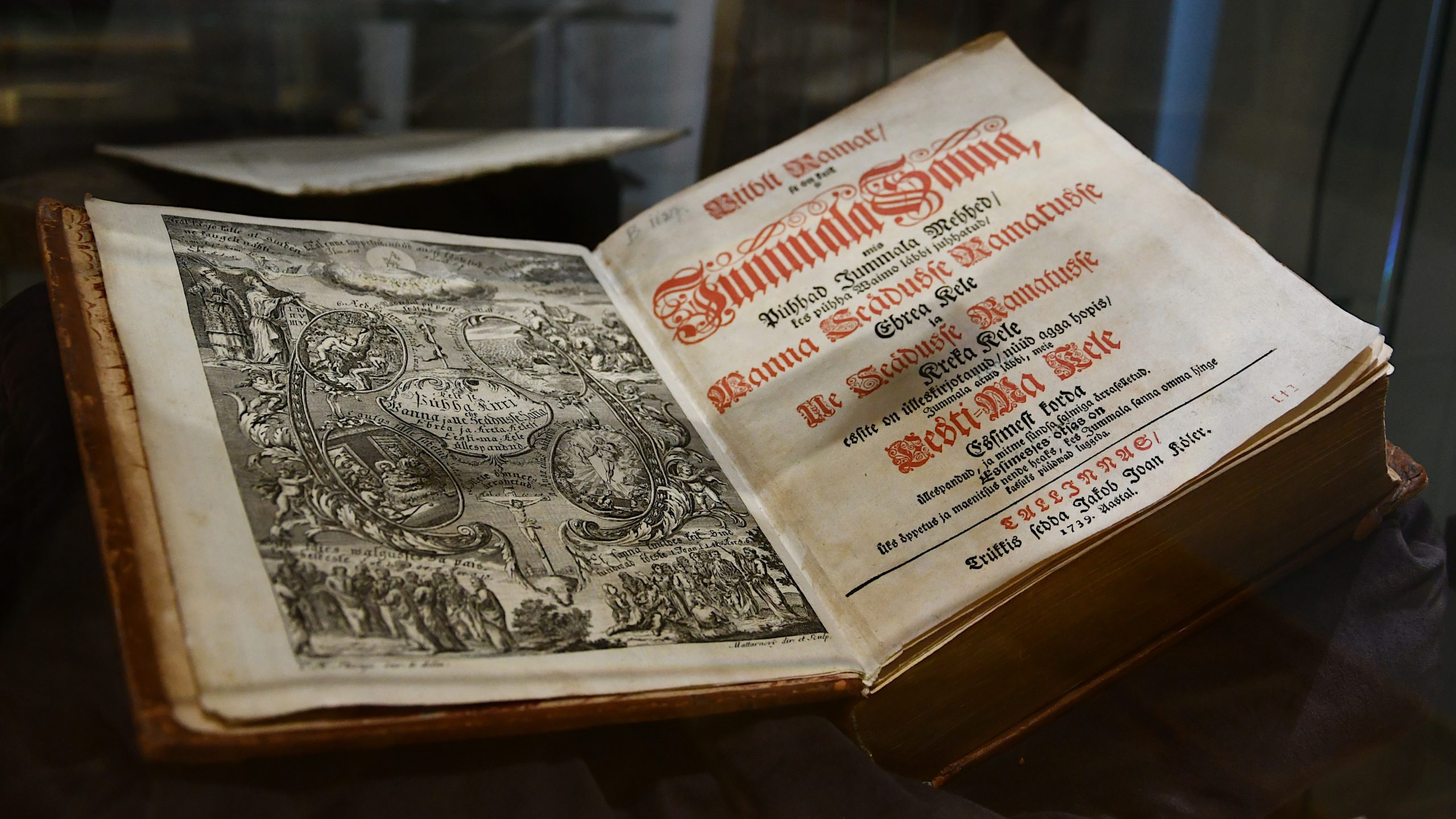
In 1739, "Piibli Ramat", the first complete translation of the Bible into Estonian, was published in Tallinn. It was not the first religious text in Estonian, but it had far-reaching consequences for the language and for Estonian culture, and its legacy is still felt today.
A language without a shared written standard
Before then, Estonian was spoken mainly by peasants and passed on orally. The nobility, clergy and many merchants and administrators were predominantly Baltic German and generally spoke German. There was no single written standard or agreed spelling. North Estonian and South Estonian had developed as separate written varieties, each with its own literary tradition. The oldest surviving printed book containing Estonian is the 1535 Wanradt–Koell catechism, of which only fragments remain.
Decades of work
Under Swedish rule, church and education policy promoted instruction in Estonian. In 1686 the Swedish king ordered a school to be established in every parish in Estonia and Livonia, which helped lay the groundwork for wider literacy. The New Testament appeared in South Estonian in 1686 and in North Estonian in 1715. The project was completed by Anton Thor Helle, a Baltic German Lutheran pastor born in Tallinn. He did not translate everything himself: more than a dozen pastors contributed, while Helle led the project, edited the translation and helped bring it to print.
From two written varieties to one
By using North Estonian, the translators gave it a decisive advantage over South Estonian. South Estonian did not vanish, and varieties such as Võro are still spoken. The Bible remained the official Estonian Bible, with revisions, until a new translation appeared in 1968.
Spreading literacy
By the end of the 18th century, more than half of the peasantry in Livonia could read, though the rate was lower in Estonia proper. Reading usually meant working through familiar religious texts. Schools, home teaching and the Moravian movement helped spread it. These conditions preceded the 19th-century national awakening, which produced the national epic Kalevipoeg and the first song festival in 1869.
Around one million people speak Estonian as their mother tongue. In 2007, Estonia amended its constitution's preamble to say the state must guarantee the preservation of the Estonian nation, language and culture through the ages.