Estonia's patient insurance claims rise, but three-quarters of decided cases are rejected
Since Estonia's patient insurance system launched, insurers have received 1,148 compensation claims, and most of those reviewed are rejected. This year's claim count already exceeds all of 2025.
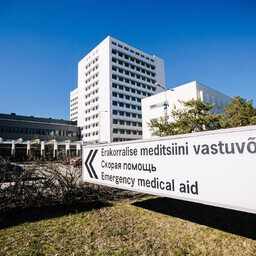
Claims for compensation for medical harm are rising quickly in Estonia, where a mandatory patient insurance system has operated since November 2024. Yet most of the claims reviewed are turned down. Data from the Health Board (Terviseamet), the agency overseeing healthcare services, suggests patients and providers are becoming more familiar with the scheme.
Claims keep growing
Kairi Ruhno, service manager at the Health Board's healthcare services department, said the previous healthcare quality expert committee received about 200 applications a year. In the first full year of the insurance system, more than 400 claims went to insurers, and in the first ten months of this year the figure passed 660. She said every provider required to hold patient insurance has signed a contract.
Ruhno stressed that an outcome falling short of expectations does not automatically mean a medical error. Patients, however, need a clear route to seek compensation for real harm. She named awareness-raising as the main area for development.
Approved and rejected
From 1 November 2024 to 27 October 2026, 1,148 claims were submitted. Of these, 863 (75.2%) have been reviewed and 285 (24.8%) are still in progress. Of those reviewed, 226 (26.2%) were recognised as insured events, while 637 (73.8%) were not upheld.
Direct medical error in diagnosis or treatment accounts for 84.16% of compensated cases, followed by healthcare-associated infections (9.5%) and wrong medicine or dose (about 4.5%). Patients have received €1,077,228 in total, an average of €5,886 per case, with the largest payout at €32,652.
Emergency medicine departments faced the most claims (180). Family medicine is second with 159, but its approval rate is very low: only 12 of 121 completed cases were recognised.
Market and costs
When liability insurance was introduced in Estonia in 2004, PZU was the only provider. Lloyd's has since entered, and Liisi Murde-Parvell, a patient insurance expert at broker IIZI, said the monopoly has ended and prices have fallen, though the market still needs time to settle. The Health Insurance Fund (Tervisekassa) paid €6 million toward premiums in 2025 and plans the same for 2026; total insurance cost to the system last year was an estimated €12 million.