Estonian utilities step up security: cyber defense, drone protection, underground pipelines
Estonia's water, heating, electricity and gas companies are investing in cybersecurity and planning drone defenses. The costs are likely to appear in customers' bills.
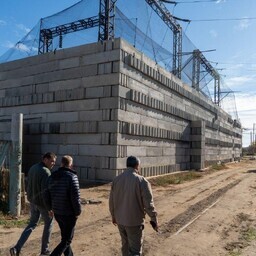
Utility companies in Estonia are strengthening their security as they prepare for a possible crisis or war. They plan to move pipelines underground, set up drone defenses and improve cybersecurity, and the costs are likely to be passed on to customers, Estonian public broadcaster ERR reported.
Around 300 companies in Estonia, including water, heating, electricity and gas providers, must be able to keep operating during a crisis or war. Russia's invasion of Ukraine has created new expectations for them.
Water companies start with cybersecurity
Aare Palmsalu, head of the water company AS Rakvere Vesi, says water companies are currently focused mainly on cybersecurity, although some have also bought helmets and bulletproof vests. For years, money has gone into limiting the damage from power outages: backup generators have been bought, action plans drawn up and fuel stockpiled. These costs are already built into water prices. Building concrete shelters around pumping stations has not begun, and it is unclear whether it ever will or would make sense.
District heating awaits clarity on drone defense
SW Energia, which operates nearly 60 district heating networks, has so far concentrated on preventing disruptions to electricity, communications and water supply. Development manager Vadim Nogtev says drone defense and physical protection are likely next, but it is not clear what form they should take. He suggested cooperation in which the Defense Forces map critical facilities and help repel drones if needed.
Costs and oversight
Providers of vital services largely have to decide for themselves which investments to make. The Government Office told ERR that cities and municipalities should supervise water and heating companies. The Competition Authority is also monitoring the situation. It has seen water companies investing in cybersecurity, while heating companies plan drone defenses, moving pipelines underground and building structures around boiler plants and emergency generators.
Authority Director General Evelin Pärn-Lee said that a company able to sufficiently justify a security expense can include it in customers' bills, but setting a fair price can be difficult. In her view, a greater concern is water, gas and heating companies that are not preparing for a crisis or war at all.