Jane Schoenbrun's new film turns childhood slasher obsession into a genre love letter
Director Jane Schoenbrun's new movie "Teenage Sex and Death at Camp Miasma," starring Hannah Einbinder and Gillian Anderson, blends a personal story about slasher fandom with meticulously crafted visuals.
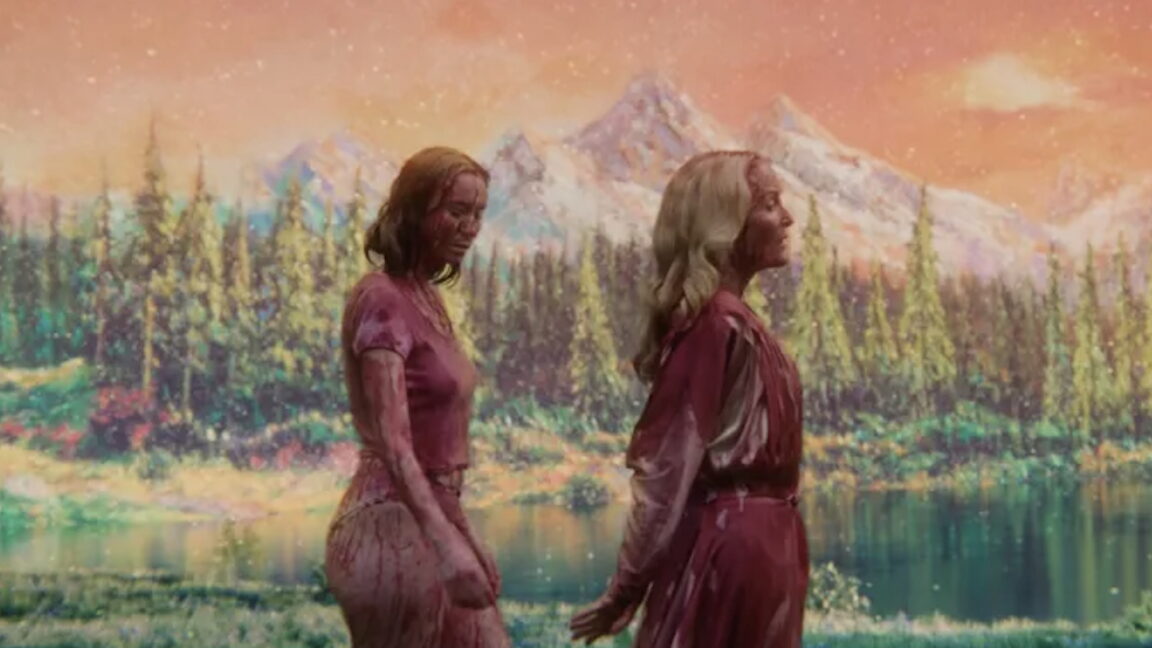
Filmmaker Jane Schoenbrun has released a new movie, "Teenage Sex and Death at Camp Miasma," described as shocking, emotional, provocative, warm and witty all at once — a dream project for slasher genre superfans. The opening sequence reportedly carries David Fincher-level attention to detail, shaped in part by insights gathered from horror convention-goers.
While written to reward hardcore fans, the filmmakers took care not to alienate general audiences: whenever the genre-nerd detail threatens to become tedious, a joke or knowing wink pulls viewers back into the main story.
A story about obsession
The film follows Kris (Hannah Einbinder), a queer director assigned to create a "woke" reboot of a politically incorrect sleepaway-camp slasher franchise in the mold of Friday the 13th. Traveling to meet the reclusive final girl from the original film, Billy Preston — played with junk-food-obsessed relish by Gillian Anderson — Kris flubs her pitch and instead gets pulled into a fantasy buried in her own psyche while at the abandoned set where Billy now lives.
Schoenbrun told NPR they grew up watching films like Friday the 13th, Halloween and A Nightmare on Elm Street and feel they know the slasher genre deeply. As with their previous film, "I Saw the TV Glow," the goal was to capture the intense emotions of childhood obsession with entertainment not meant for young eyes — in this case, Kris's fixation on the fictional Camp Miasma franchise, its villain Little Death, and its oversexualized victims across a string of sequels.
Reviving matte painting
Production designers Brandon Tonner-Connolly and Matt Hyland said Schoenbrun wanted the film's visuals to feel as emotionally charged as its subject matter. To achieve that, they revived matte painting, an old pre-CGI technique — though they found the process difficult, since no one alive today knows exactly how filmmakers pulled it off in the 1960s.