Why Hard-Boiled Eggs Keep You Full Longer Than Scrambled Eggs
Nutrition physiology research suggests that how eggs are prepared affects fullness: hard-boiled eggs must be chewed and leave the stomach more slowly than scrambled ones. A University of Sydney satiety index gives eggs a score of 150%.
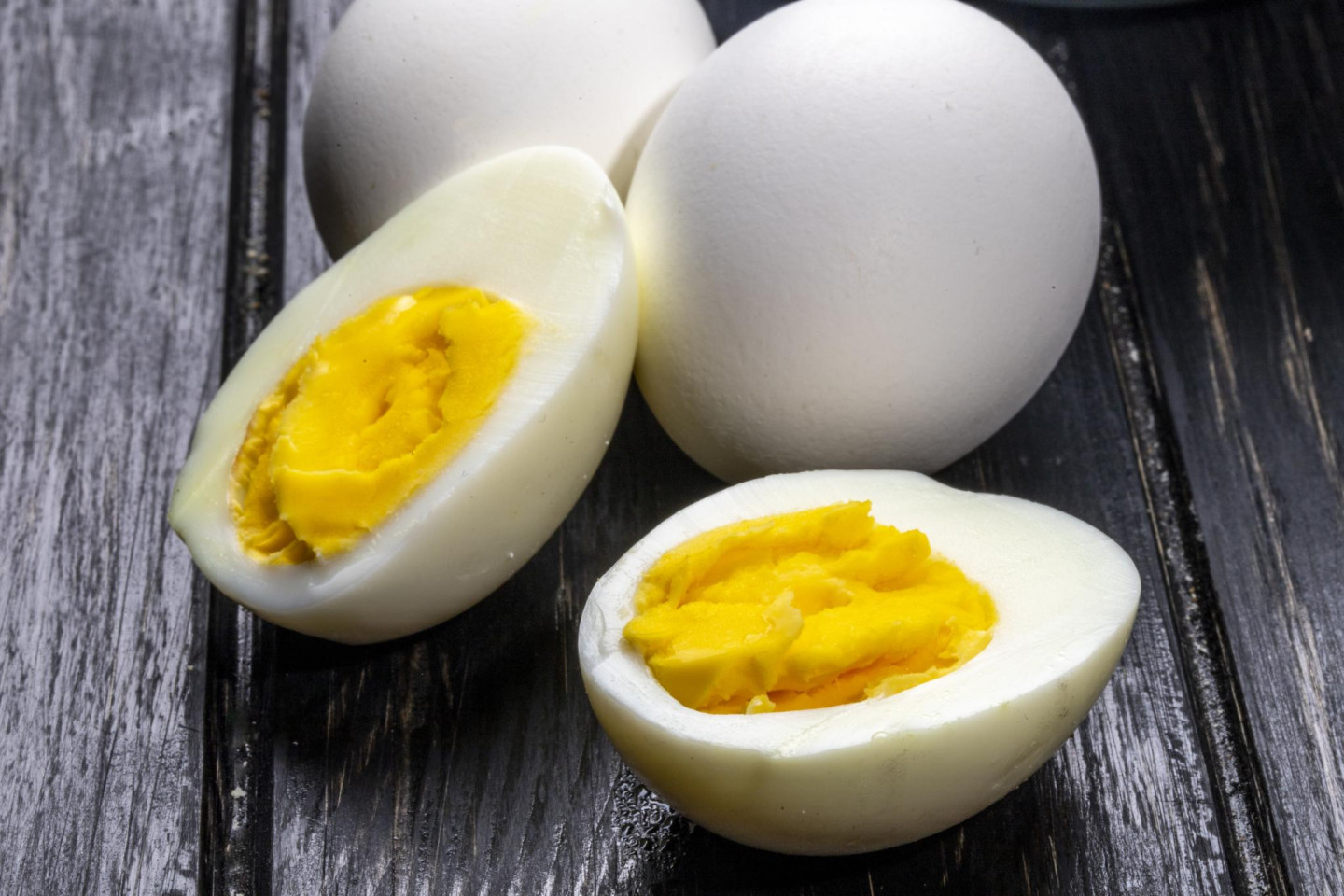
The way eggs are cooked can noticeably change how long a person feels full after a meal. Studies of nutrition physiology and digestion indicate that hard-boiled eggs are more satiating than scrambled eggs, even when an omelette contains more eggs. The information was reported by "DoctorPiter".
How digestion differs
During boiling, egg proteins turn into a dense, coagulated mass. Stomach enzymes and acid find it harder to break down such a structure, so the stomach empties it more slowly and passes it gradually to the small intestine.
Whisking incorporates air and mechanically breaks up the proteins, producing a soft, airy mass that collapses as soon as it is bitten. It leaves the stomach faster, so the physical feeling of fullness fades sooner.
Eating speed and brain signals
Scrambled eggs need hardly any chewing, so a five-egg omelette can be eaten in a few minutes. Satiety hormones such as cholecystokinin (CCK) and GLP-1 need about 20 minutes to work fully, which means a large amount of food can be eaten before the brain registers fullness.
Hard-boiled eggs have to be chewed thoroughly. This slows eating and gives the hormones time to act. The source also says chewing promotes the release of histamine in the brain, which acts as a natural appetite suppressant.
Taste and texture
Hard-boiled yolks are dense, somewhat dry and have a pronounced sulphur aroma. Taste buds tire quickly of such a uniform flavour and texture, a phenomenon nutrition psychology calls sensory-specific satiety. After two or three eggs, the brain loses interest in the food. Scrambled eggs are usually made with butter or oil and salt, which makes them juicier, so flavour fatigue sets in more slowly and appetite lasts longer.
The satiety index
Researchers at the University of Sydney created a satiety index in the study "A Satiety Index of Common Foods", published in the European Journal of Clinical Nutrition. Portions were compared at 240 kcal each, and a value above 100% means a food is more filling than white bread.
Boiled potatoes scored highest (323%), followed by fish (225%), porridge oats (209%), oranges (202%), apples (197%), wholegrain pasta (188%) and beef (176%). Eggs scored 150%. The lowest results were for croissants (47%), cakes and pastries (65%) and chocolate bars (70%).
The study's authors link satiety mainly to protein content, the amount of fibre and water, and the volume of the food.