Why a Parked EV Still Loses Battery Charge
Even a locked, parked electric car slowly drains its battery because of system checks, app requests and optional features. How much is lost depends on the model, settings and weather.
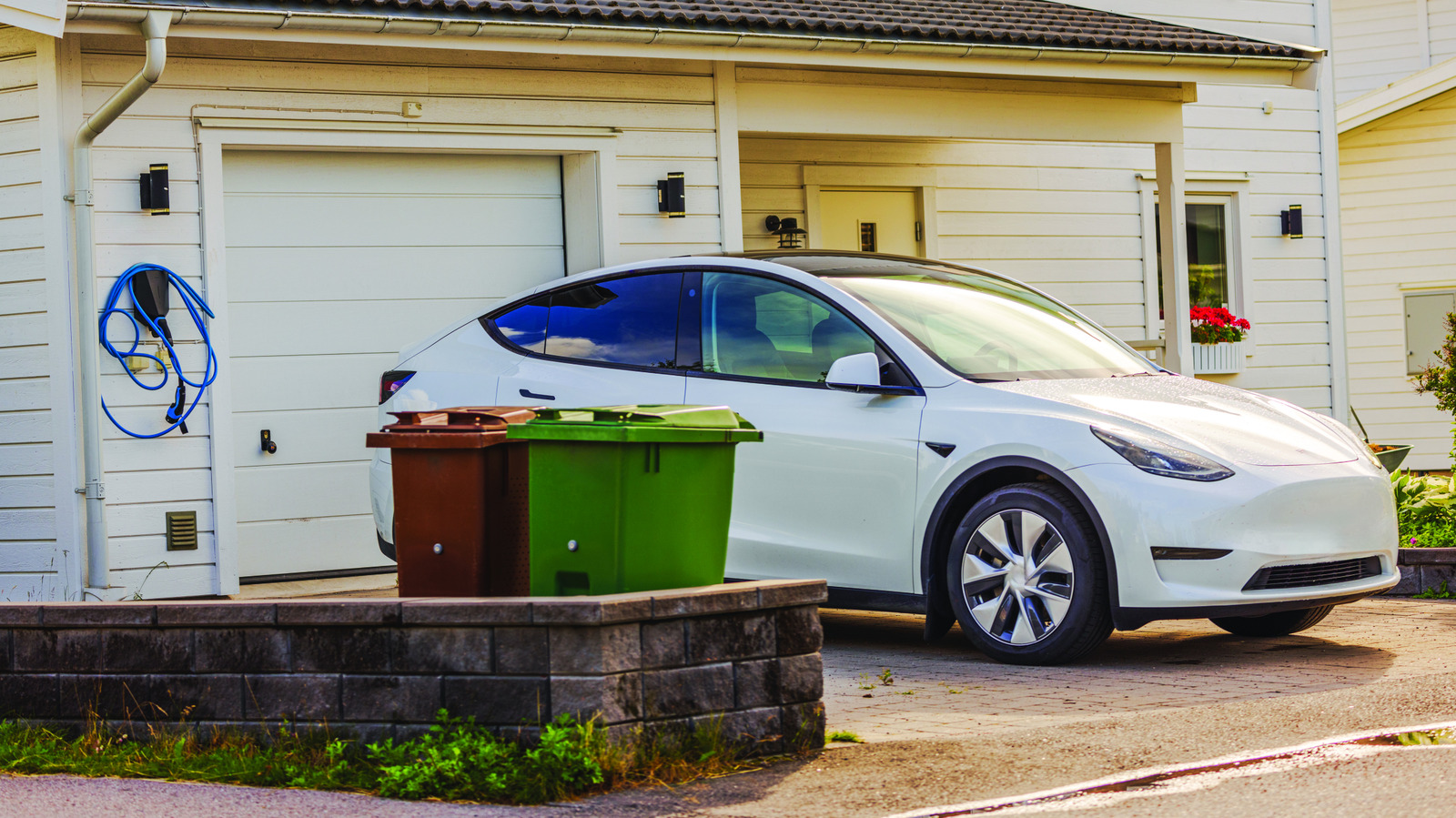
An electric vehicle left parked is not fully switched off: its battery charge level drops over time even if the car has not moved, according to technology site Engadget. Over a short period such as a weekend this is usually not an issue, but if an EV sits unplugged for a couple of weeks, the small losses can add up.
Where the losses come from
Lithium-ion cells can lose charge on their own through self-discharge, but this is negligible compared with the energy used while driving. Most of the loss comes from systems that keep running after the doors are locked. The battery management system periodically checks the battery's condition, and the high-voltage battery sometimes recharges the smaller 12V battery that powers locks, computers and other electronics. Tesla says its Model 3 performs such checks while parked, and Rivian says its R1T also uses the high-voltage battery to maintain the 12V one.
Connected services add to the draw: app requests, cabin climate functions and infotainment. Third-party apps that repeatedly wake the car can increase the drain. In cold weather the picture is more complicated, because the range estimate can fall with battery temperature changes even when the car has not used a matching amount of energy.
Optional features can make the biggest difference, such as Tesla's Sentry Mode and Rivian's Gear Guard Motion Cam, which use cameras and sensors to watch the surroundings of a parked vehicle.
How much charge to expect to lose
The Tesla Model 3 manual says the battery can lose roughly 1 percent per day, depending on settings and conditions. Recurrent reports that sleeping Teslas can lose just 0.1 to 0.3 percent a day, while those running energy-intensive features can lose several percent daily. Battery size matters too: a 0.5 kWh loss is about 1.2 percent of a 42 kWh battery and 0.6 percent of an 80 kWh battery.
For long periods of parking, it is advisable to turn off unneeded surveillance and climate controls, limit apps that wake the vehicle, and ensure enough charge remains for the return. Tesla recommends keeping the Model 3 plugged in when not in use and maintaining around 50 percent charge during long-term storage.