China gradually scales back tax incentives for electric vehicles
China is beginning to reduce tax benefits for electric vehicles and their batteries that have been in place for over a decade, introducing new consumption and purchase taxes. The country continues, however, to support charging infrastructure and newer battery technologies.
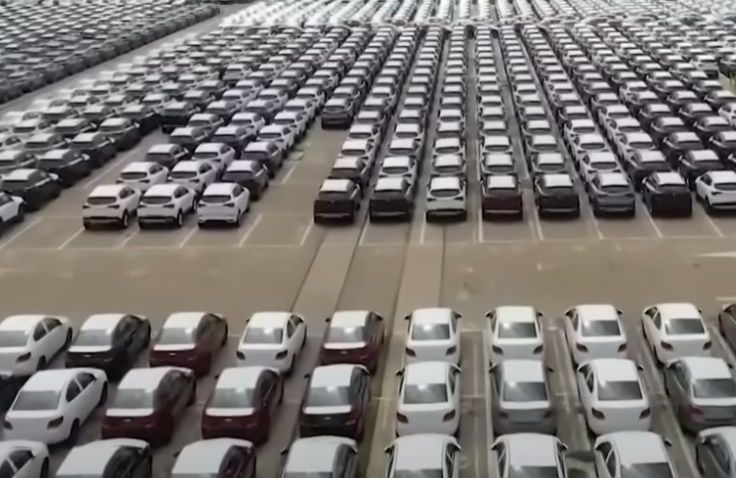
China is starting to reshape the tax policy that has long supported its electric vehicle and battery industries. According to the outlet Electrive.net, a 2% consumption tax on lithium-ion batteries took effect in September 2026, with the rate set to rise to 4% in September 2027. This ends a tax exemption for the technology that had been in force since 2015.
Purchase tax breaks also shrinking
Alongside the battery tax, China is revising other support measures for EV buyers. Since the start of 2026, electric vehicles and plug-in hybrids no longer receive a full exemption from the purchase tax; instead, a 50% discount applies, with the tax savings capped at 15,000 yuan (roughly 1,920 euros) per vehicle. Starting in 2027, several other tax privileges related to vehicles and vessels are also set to be reduced.
Support shifting toward newer technologies
Despite the tightening of tax breaks, China is not abandoning its broader support for electromobility. The state continues to invest in charging and battery-swap infrastructure. At the same time, tax policy is increasingly being directed toward newer technologies — sodium-ion and solid-state batteries, as well as fuel cells, still retain their tax advantages for now.
The shift reflects the fact that China's EV market has already reached a considerable level of maturity, allowing the country to move gradually from broad subsidization toward more targeted support for emerging technologies.
/nginx/o/2026/09/06/17901971t1h4cf3.jpg)