Russia demands NATO return to 1997 positions in Abu Dhabi talks
The New York Times reports that Russian negotiators in Abu Dhabi, during talks on ending the war in Ukraine, presented a document demanding NATO pull its troops and bases back to their 1997 positions. Leaders of NATO's eastern members have rejected the demand.
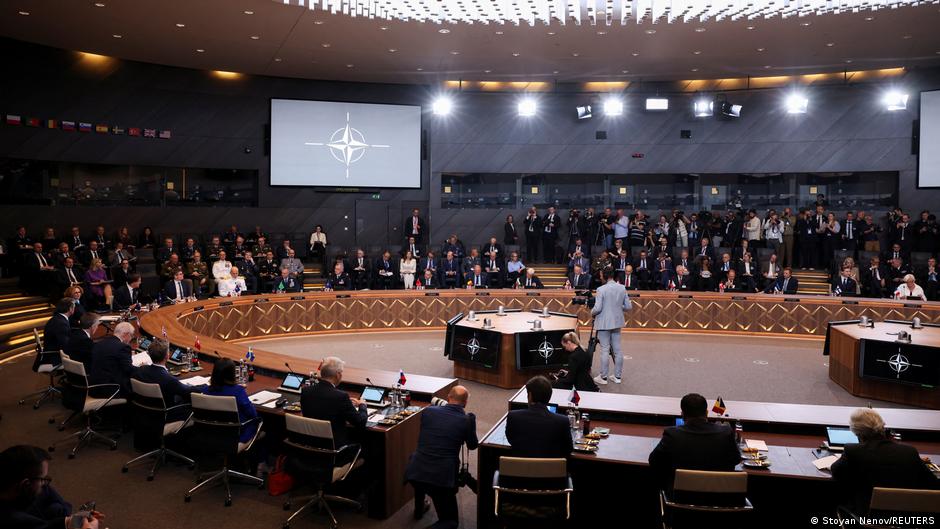
Russian representatives presented a document with far-reaching demands during talks in Abu Dhabi on ending the war in Ukraine, The New York Times reports. The document is dated November 10. It reportedly calls not only for an end to Western arms deliveries to Ukraine but also for the North Atlantic Treaty Organization (NATO), a 32-member defense alliance, to withdraw its troops and bases to where they were in 1997. According to the report, Russia is not explicitly demanding that Central and Eastern European countries leave the alliance, but that NATO end its military presence there.
What 1997 means
The Kremlin uses 1997 to refer to NATO before its first eastward expansion. The alliance then had 16 members. Poland, the Czech Republic and Hungary had been invited to join but formally became members two years later.
Possible consequences
Withdrawing NATO troops and bases from countries that joined after 1997 would significantly weaken their defenses. Since 2004, allies including Germany have taken turns policing the airspace over Estonia, Latvia and Lithuania, which have no fighter jets of their own. The planned German brigade in Lithuania, due to be fully operational by the end of 2027, would also have to be halted. In Romania, the Mihail Kogalniceanu Air Base near Constanța is being expanded and is set to become Europe's largest NATO air base by area.
Reactions
Polish Prime Minister Donald Tusk said no one would be allowed to set new security rules over the heads of Poland and Europe. Bulgarian Prime Minister Rumen Radev called a withdrawal unthinkable and unrealistic. Estonian Prime Minister Kristen Michal said there is nothing to discuss with Russia about Europe's security order, which he said works well.
NATO points to Article 10 of its founding treaty, which enshrines its open-door policy, and the 1997 NATO-Russia Founding Act also gave neither side a veto. The article notes that no written, legally binding promise never to expand NATO was ever agreed.
Just over two months before the full-scale invasion of Ukraine, the Kremlin presented the United States and NATO with two draft treaties containing similar demands. So far, no significant Western player has expressed willingness to accept Russia's demands.