Smoke sauna tradition in Latgale – a living and preserved heritage
In 2025, the smoke sauna tradition was included in Latvia's National Intangible Cultural Heritage list, and it remains alive in Latgale, as evidenced by the recently opened exhibition ‘Smoke Saunas in Latgale’ at the Ondrupinis farmstead.
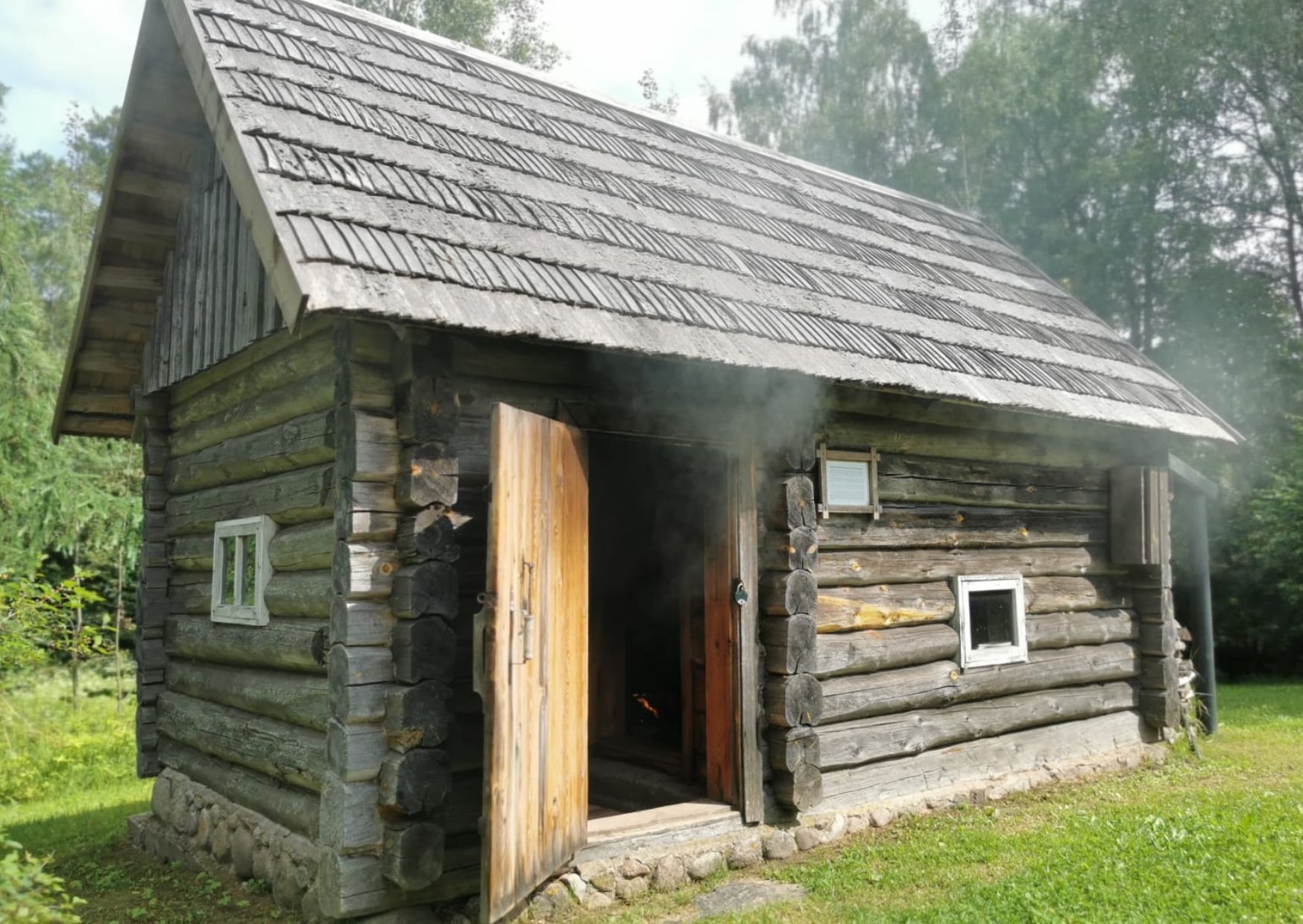
The tradition of the smoke sauna, or black sauna, is still alive in Latgale, eastern Latvia. In 2025, it was inscribed on the Latvian National Intangible Cultural Heritage list for preservation. Unlike modern saunas, the smoke sauna has no chimney; smoke passes through a stone pile and is vented through a special opening. This tradition has been particularly well preserved in Latgale due to the rural lifestyle and slower pace of modernization.
The sauna is a small log building with a low ceiling and a high threshold to retain heat. Its key feature is an open stone fireplace that accumulates and slowly releases heat. Heating takes 2–3 hours using hardwood logs. After heating, the smoke is aired out, embers removed, and the sauna is ready for use.
Historically, the sauna served not only hygiene but also childbirth, healing rituals, and washing the deceased. It was considered the domain of the goddess Māra and was often the first building erected on a new farm. Today, knowledge of the smoke sauna is experiencing a revival through courses, seminars, and festivals.
A testament to this living tradition is the exhibition ‘Smoke Saunas in Latgale’, which opened on July 5 at the Ondrupinis farmstead museum in Krāslava municipality. Author Ilze Pauliņa-Saltā, a young sauna expert, collected eight stories about still-functioning smoke saunas in several parishes. Visitors can experience an authentic smoke sauna that was moved from Libiņi village and rebuilt in 2000 following original principles. One story tells of an owner who was himself born in a smoke sauna.


