Major trial finds silver diamine fluoride liquid can halt cavities in children without drilling
A U.S. Phase III clinical trial found that silver diamine fluoride, a liquid painted onto teeth, stopped decay in more than half of treated baby teeth without drilling. The results could support seeking FDA approval for this specific use.
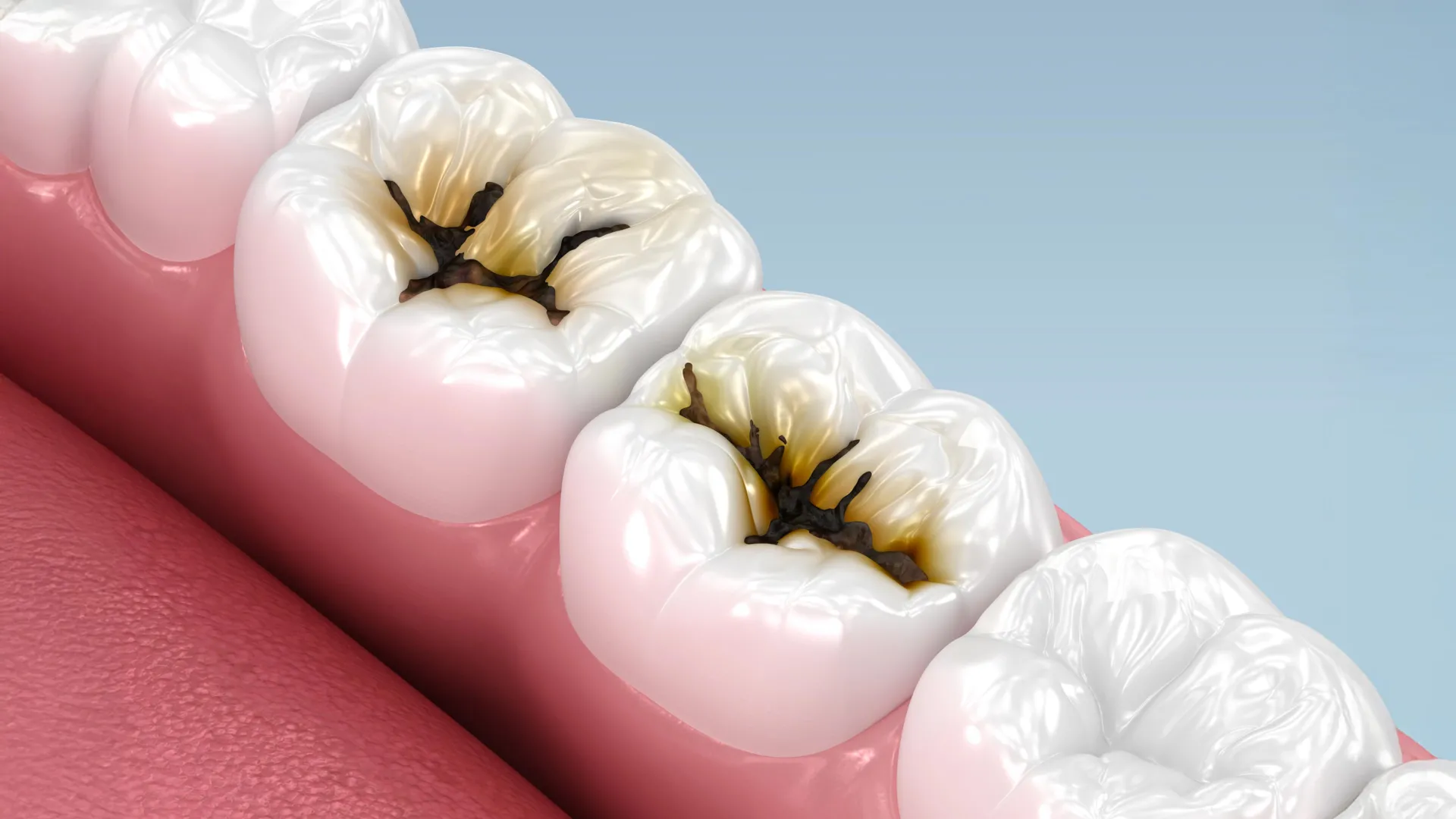
A large clinical trial led by the University of Michigan has found that a simple, inexpensive liquid called silver diamine fluoride (SDF) can stop tooth decay in young children without drilling, injections or sedation. The study, published in JAMA Pediatrics, could ease childhood dental care in the United States, where thousands of young children visit emergency departments every year because of untreated cavities.
How the treatment works
A dentist uses a small sponge-tipped applicator to paint the liquid directly onto the cavity. Treating each tooth takes only seconds. Silver helps fight bacteria linked to decay, while fluoride strengthens the mineral structure of the tooth. The method does not replace lost tooth material, but it helps keep existing decay from progressing.
Trial design and results
The Phase III trial enrolled 830 children younger than 6. They were recruited through dental clinics, pediatric practices, and the federally supported early education programs Head Start and Early Head Start in Michigan, New York and Iowa. A solution containing 38% SDF, applied at six-month intervals, stopped decay in more than half of the affected baby teeth. The research began in 2018 and continued through the COVID-19 pandemic.
Margherita Fontana, professor at the University of Michigan School of Dentistry and the study's lead investigator, said the treatment is very effective and safe, even in children as young as 1.
Drawbacks and limits
SDF permanently turns the treated, decayed part of a tooth dark, which may be especially visible on front teeth. The discoloration is mainly cosmetic, but it may affect families' choices. The treatment is not suitable for every cavity, and stopping decay does not necessarily remove the need for future dental work.
What comes next
Dentists in many countries have used SDF for decades. In the U.S., the Food and Drug Administration (FDA) approved it in 2014 as a medical device for tooth sensitivity, and it has been used off-label to arrest cavities. The new data give the manufacturer, Elevate Oral Care, clinical evidence for an FDA application covering decay arrest specifically. The trial received more than $12 million from the National Institute of Dental and Craniofacial Research, part of the National Institutes of Health.