Great Britain's retail sales fall in September as households cut back
The Office for National Statistics reports that retail sales volumes in Great Britain fell 0.4% month on month in September, more than forecast. The data comes a week before Chancellor John Healey presents his budget.
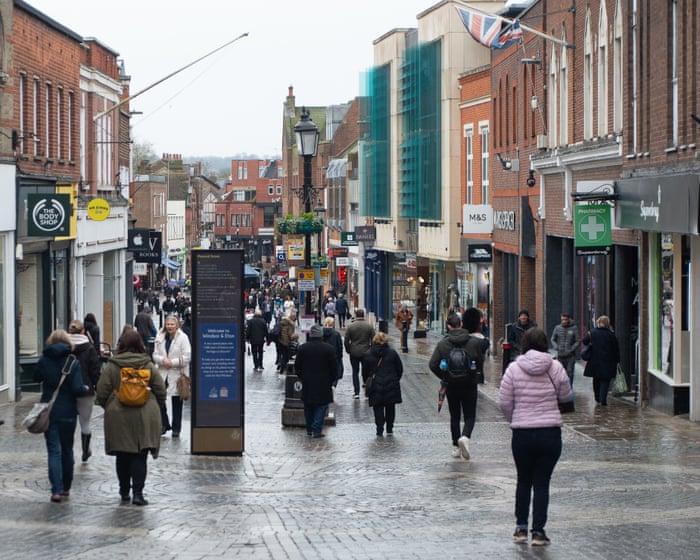
The volume of goods sold in Great Britain's shops and online fell 0.4% in September compared with August, according to the Office for National Statistics (ONS), the UK's official statistics agency. Economists had expected a drop of only 0.1%. The figures were released a week before Chancellor John Healey announces his budget, and they add to a run of weak economic news: UK consumer confidence is falling at its fastest rate since the Covid pandemic.
Declines across almost every sector
Unseasonably warm weather hurt sales, particularly online purchases of autumn and winter clothing. Non-store retailing, mostly online, dropped 2.2%, the largest fall of any sector. Textile, clothing and footwear stores recorded a 0.9% decline, household goods retailers 0.5%, and supermarkets 0.4%. Only department stores, up 0.2%, and automotive fuel bucked the trend.
Fuel sales volumes rose 2.2% despite record pump prices, returning to levels last seen before the conflict in the Middle East began. In value terms, fuel sales increased 6.1%, the biggest monthly rise since March, when a 10.9% increase was recorded in the month after the start of the US-Iran conflict. Excluding fuel, retail sales fell 0.7% in September, against a forecast of 0.1%.
Economists' reaction and earlier months
Paul Dales, chief UK economist at Capital Economics, said households are under growing pressure just ahead of the key festive period for retailers. He expects real consumer spending and real GDP to stall in the fourth quarter of this year and the first quarter of next, and said weaker confidence makes the prime minister less likely to call an early election.
The ONS revised August's monthly growth up from 0.5% to 0.7%. Hannah Finselbach, a senior ONS statistician, said sales grew over the latest quarter, led by motor fuel, with food and drink also contributing, helped partly by the warm weather and the World Cup, though they slipped back slightly in September.