Lithuania documents its Jewish cemeteries, with help from German soldiers
The non-profit MACEVA has been cataloguing pre-war Jewish cemeteries in Lithuania since 2011. This year it worked at four sites with volunteers and German army soldiers, including in Merkinė.
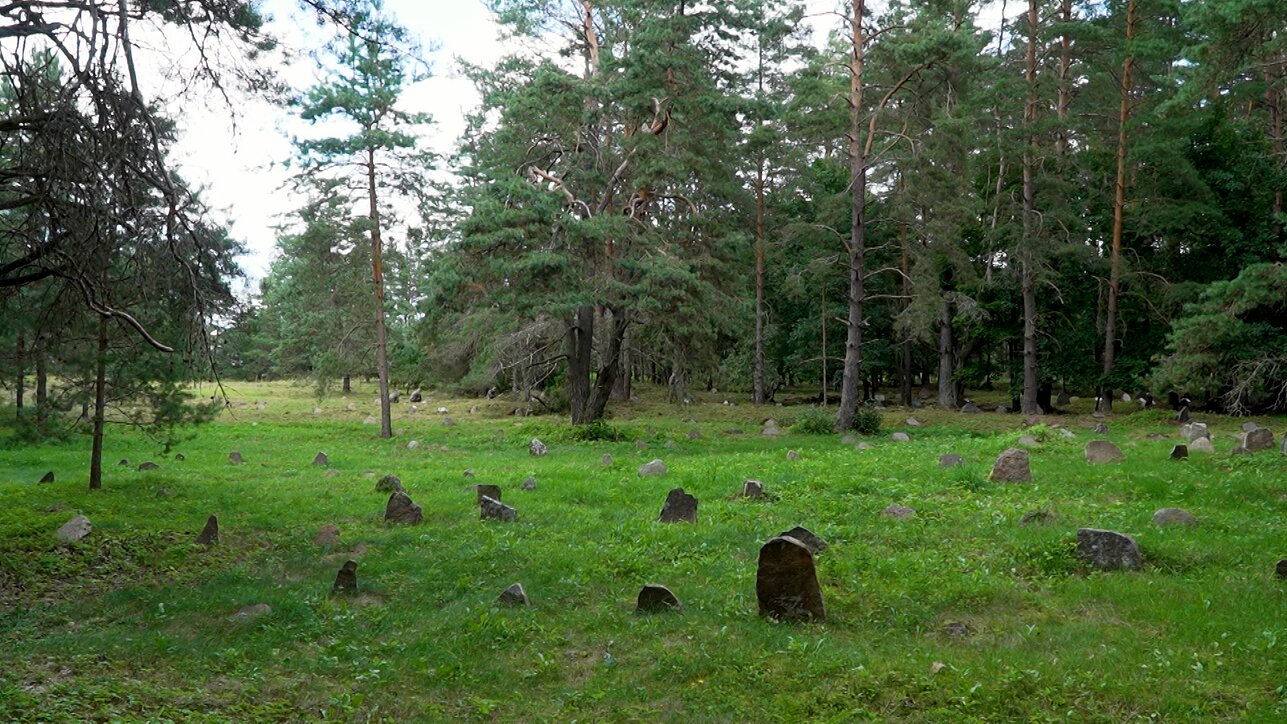
Lithuania had between 200 and 240 Jewish cemeteries before the Second World War, and most of them are neglected today. The non-profit organisation MACEVA, the Litvak Cemetery Catalogue, has worked since 2011 to preserve and document this heritage.
How many have been recorded
MACEVA director Milda Jakulytė says more than 70 cemeteries have been documented over the past 15 years, and the figure could approach 80 once this year's work is counted. Some cemeteries have been destroyed, leaving nothing to document. By her estimate, around 60 to 70 are still waiting.
Working with volunteers, the organisation catalogues the sites, translates Hebrew epitaphs into English and publishes everything it collects in a public online database. This year it worked in Virbalis, Kelmė, Linkuva and Merkinė.
German soldiers join in
In Merkinė, soldiers of Germany's 45th Armoured Brigade, stationed in Lithuania, are helping for the second year in a row. A German captain identified as Lois said the task is to clean the gravestones, set them upright and make the inscriptions legible, then photograph and document them so relatives can later find them. He said Germany feels a responsibility because there is currently no Jewish community in Lithuania able to look after these graves.
What the epitaphs reveal
The poetic epitaphs praise the deceased but also show the values of particular communities. Jakulytė says some communities prized a woman's modesty, others helping one's neighbour. Men's epitaphs almost always stress devotion to studying the Torah, and mention professions more often than women's. For women, a profession appears in only one case: when she was a midwife.
Involving local residents
Very little information has survived about the people buried in these cemeteries. The organisation seeks to involve local residents so they better understand the history of their towns, and wants the cemeteries seen as part of community heritage. MACEVA plans to continue until all surviving Jewish cemeteries in Lithuania have been documented.