V&A London Stages Exhibition on Constantinople and Istanbul
The Victoria and Albert Museum in London is showing an exhibition that brings together the heritage of the Byzantine and Ottoman empires. The Guardian's reviewer gives it a very warm reception.
The Victoria and Albert Museum (V&A), London's museum of art and design, is presenting an exhibition titled "Constantinople to Istanbul". It places objects from two empires, the Byzantine and the Ottoman, in a single show tracing the city's transformation from Constantinople into Istanbul. A reviewer for the British newspaper The Guardian praises it highly and writes that he spent two hours there.
Constantinople was officially inaugurated on 11 May AD 330. The Ottoman Turks conquered the city in 1453 and renamed it Istanbul. The Ottoman empire was dissolved in 1922.
The Byzantine section
The story begins with Emperor Constantine, who accepted Christianity and created "New Rome" at a strategic point between Europe and Asia to cope with the vast Roman empire. On display is a mosaic fragment from Constantine's palace showing a large moustached face, along with a Byzantine icon of the martyred abbess St Eudokia, made of marble inlaid with coloured glass and not excavated until 1929. Visitors can also see a bronze snake head from the celebrated Serpent Column that adorned the Hippodrome, and ivory reliefs depicting consuls.
The Ottoman section
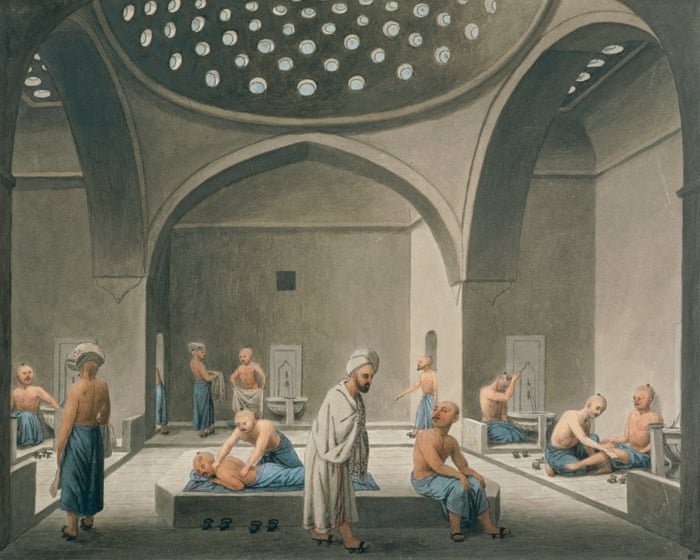
The Ottoman part features Gentile Bellini's portrait of Sultan Mehmed II, painted from life in 1480, a 16th-century kaftan probably worn by Sultan Selim II, and a garment made of zerbaft, a fabric said to be "woven from gold". Also shown are tile fragments and wooden foot supports from a hamam, as well as a wooden chest in the shape of a dome, made to hold a copy of the Qu'ran.
The reviewer highlights the importance of Hagia Sophia: the church was consecrated in 537 AD, the Ottomans turned it into a mosque with minimal changes, and its dome inspired Istanbul's Blue Mosque and Süleymaniye Mosque. From 1935 to 2020 the building was a museum; by decree of President Recep Tayyip Erdoğan it is a mosque again.