Shortage of Teaching Materials in Schools Leads to Extra Burden on Teachers
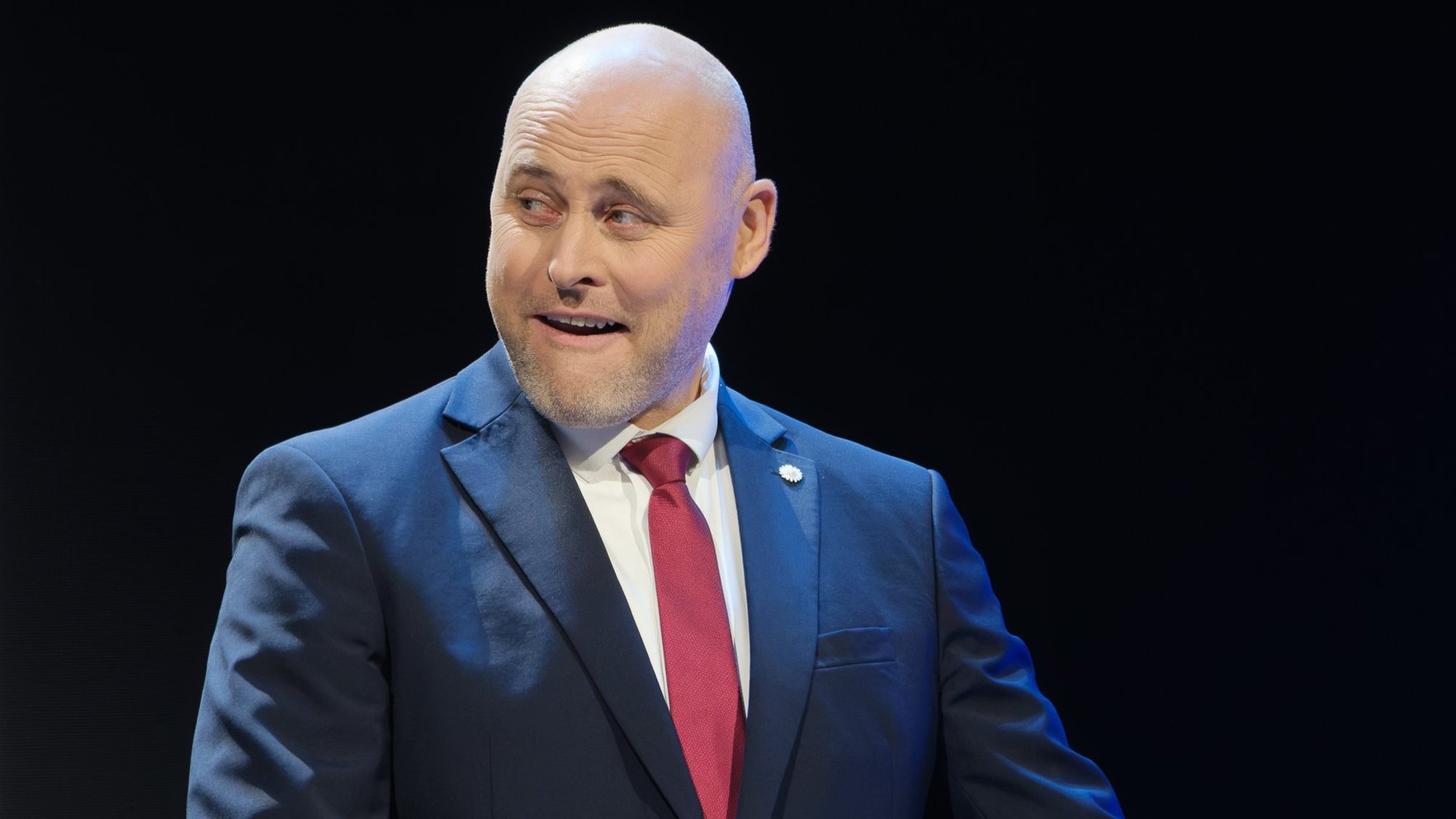
Solvita Vasiļevska, principal of Ādaži Secondary School, points out that state funding for teaching materials of about 35 euros per student is insufficient, forcing teachers to create their own materials, causing overload and additional costs for schools.

Solvita Vasiļevska, principal of Ādaži Secondary School, highlights that the lack of teaching materials in schools is a serious issue that not only affects available resources but also places an extra burden on educators. This year, state funding for teaching materials is approximately 35 euros per student, and there have been predictions of a possible reduction next year. This situation forces teachers to develop lesson content themselves, prepare worksheets, exercises, and adapted tasks, which requires a lot of time and effort.
At Ādaži Secondary School, which has more than 2,000 students, even replacing one missing material with worksheets means hundreds of copies, additional costs for paper and printer ink, as well as staff time spent on duplication. These temporary solutions become a permanent system, creating hidden costs that are not reflected in the school's budget.
The situation is particularly challenging in inclusive education, where students with diverse needs require adapted materials. If the school lacks such resources, teachers must adjust one topic in multiple ways, further increasing their workload. Additionally, schools face copyright risks if they copy publishers' materials, as legally available resources are insufficient.
Vasiļevska emphasizes that decision-makers, when reviewing funding, must consider not only the amount per student but also how much time teachers spend preparing materials, what the copying costs are, and what the impact on teaching quality is. School principals and methodologists are the ones who best understand these issues, so they should be involved in funding planning.
The principal notes that a school can adapt and save for a while, but this situation cannot become the norm. If funding does not meet actual needs, teachers and school administration are forced to fill the system's gaps with their own time and resources, threatening the quality of education in the long run.
/nginx/o/2026/09/03/17893244t1hb88a.jpg)