Microalgae Helps Combat Oxygen Deficiency in Fish Ponds
Fish farmer Raivis Apsītis has developed an innovative method using Chlorella microalgae to improve water quality in ponds, turning pollution into a resource.
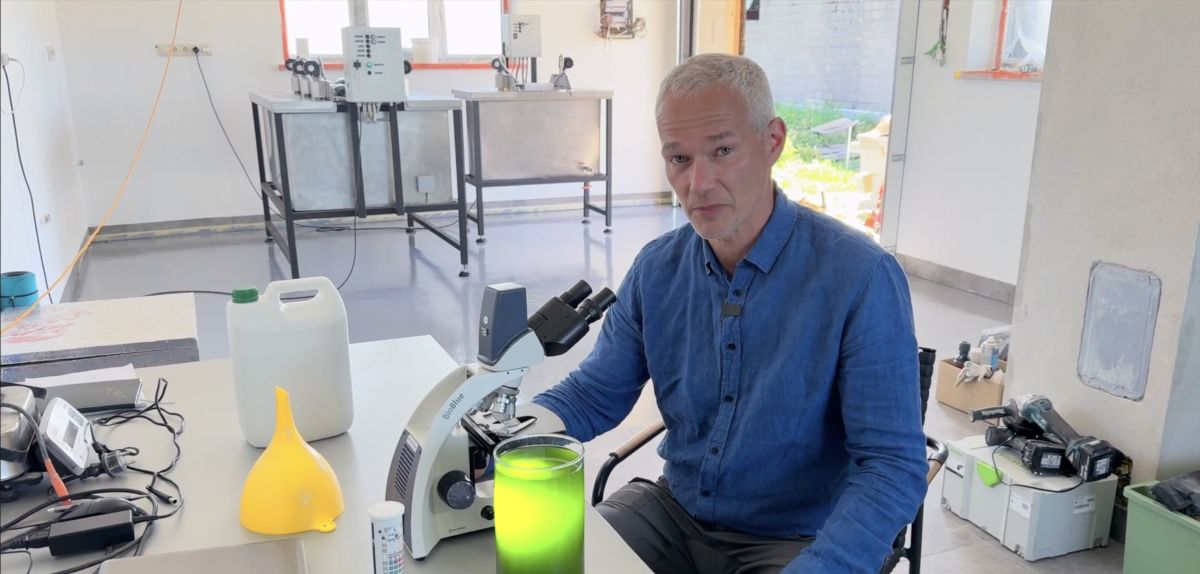
Raivis Apsītis, a fisheries expert at the Latvian Rural Advisory and Education Centre and owner of “Dzērbenes zivis,” discovered an environmentally friendly solution six years ago to enhance water quality in aquaculture farms. The method relies on the microalgae Chlorella vulgaris, which absorbs nutrients and carbon dioxide in ponds, releasing large amounts of molecular oxygen. This effectively turns pollution into a resource, creating better living conditions for fish.
Traditionally, fish farmers use membrane compressors to address oxygen deficiency, but their efficiency drops in warm water. More professional aeration devices consume more electricity, increasing costs. Apsītis’s method with Chlorella is more effective and sustainable, as the algae work naturally—excess oxygen escapes into the air, similar to trees, benefiting the environment.
Initially skeptical, Apsītis tested the method during the 2021 heatwave. In ponds where Chlorella was introduced, oxygen levels reached 10–12 mg/L, whereas other ponds had only 3–4 mg/L. Such levels were previously unattainable with traditional methods.
Chlorella occurs naturally in Latvia but in low concentrations. Apsītis’s farm cultivates and multiplies it artificially, regularly adding it to ponds as zooplankton consume it. The method has gained popularity among small farms and backyard pond owners, who use it for fish farming and swimming, with water containing Chlorella described as an exclusive spa treatment. Large aquaculture companies have shown little interest so far. The Latvian Association of Crayfish and Fish Breeders has introduced a new membership status specifically for small fish farmers, supporting fish rearing for personal consumption.