Military Expert: Latvia Must Explain Why It Still Allows Russian Grain Transit
Major Jānis Slaidiņš, a National Armed Forces officer and Home Guard staff officer, commented on TV24 on a farmers' protest against Russian grain transit through Latvia. He said politicians owe the public and Ukraine a clear answer on why the transit cannot be stopped.
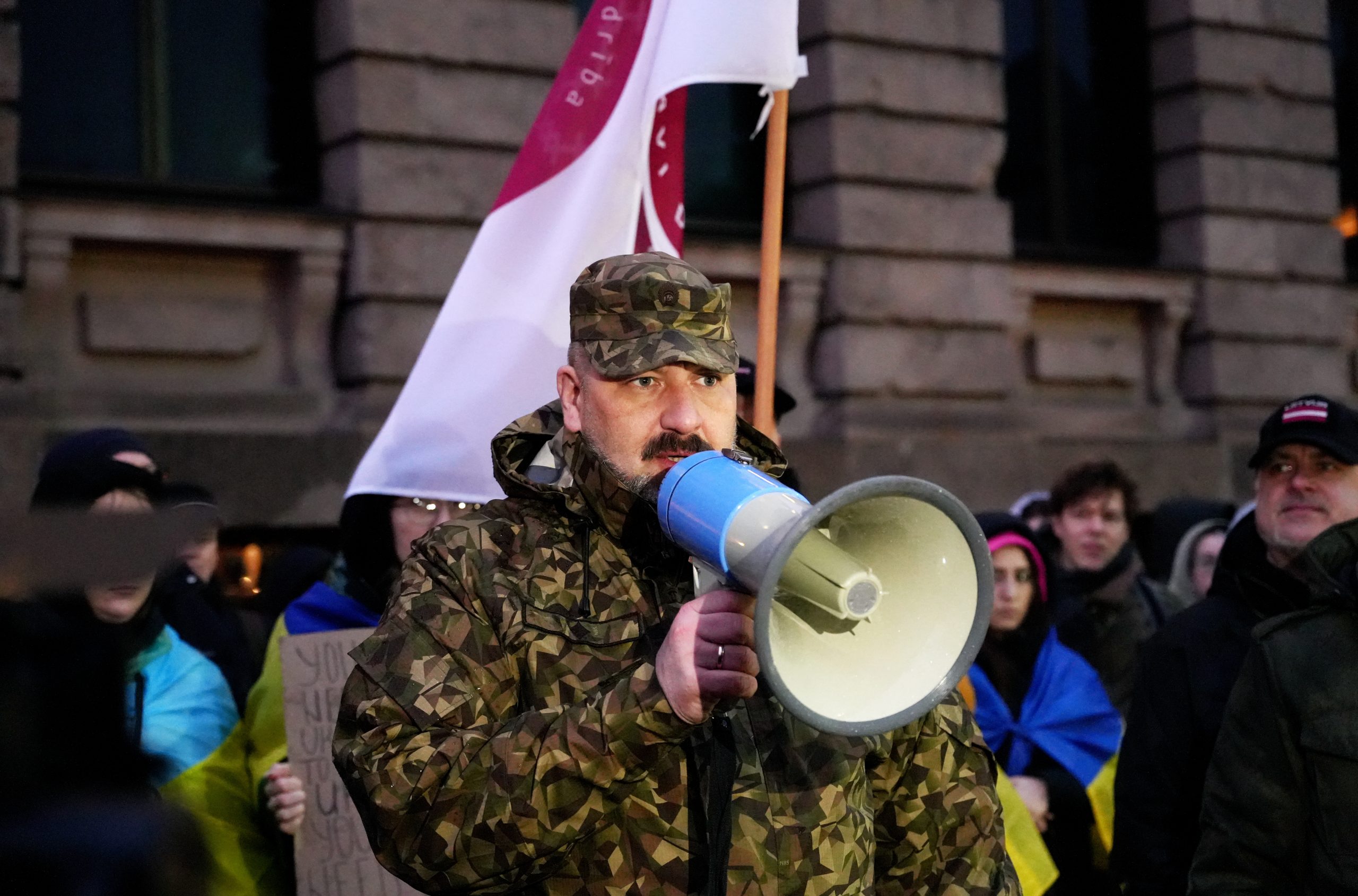
A farmers' protest called “No to Blood Grain!” in Latvia has renewed questions about why the country still allows Russian grain to be shipped through its territory while also supporting Ukraine in the war against Russia. The issue was discussed on the TV24 programme “Aktuālais par karadarbību Ukrainā” by Jānis Slaidiņš, a major in the National Armed Forces and a staff officer of the Home Guard (Zemessardze).
The protest
Agricultural machinery took part in the demonstration, and its organisers called for an end to Russian grain transit through Latvia. Participants stressed that this trade helps finance Russia's war machine.
A contradiction in policy
Slaidiņš pointed to a contradiction between Latvia's support for Ukraine and the continued transit of Russian grain. According to him, Latvian residents donate funds to support Ukrainian soldiers and the state also provides assistance, yet it is hard to explain to Ukrainians why Latvia keeps transporting Russian grain.
The military expert believes the public and Ukraine need a concrete answer from politicians on why the transit cannot be abandoned and what obstacles stand in the way. He suggested that the positions of both Europe and the United States could play a role, but stressed that a clear explanation is needed.
Experience of the Baltic states
Comparing the approaches of the Baltic states, Slaidiņš cited Estonia, where, in his words, giving up such transit was achieved without significant consequences. Lithuania, by contrast, has run into legal problems on the issue that could end in substantial financial liabilities.
Slaidiņš added ironically that almost every major issue in Latvia turns into a complicated process. He named “airBaltic” and “Rail Baltica” as examples, saying problems get more tangled while those responsible for decisions often fail to answer for them.