25 Commercial Ships Cross Hormuz Strait After Reopening
On June 18, 25 commercial vessels passed through the Strait of Hormuz, the highest daily count since mid-April, according to shipping data. The increase follows a U.S.-Iran agreement to end the war.
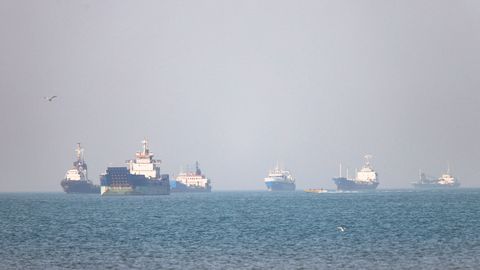
On Thursday, June 18, 25 commercial ships crossed the Strait of Hormuz, marking the highest daily number since April 18, according to data from the shipping monitoring company AXSMarine. This figure is more than five times the average daily level recorded in the first ten days of June.
The increase in ship traffic coincides with an agreement between the United States and Iran to end the war in the Middle East. Prior to this deal, the strait had been effectively closed since February 28, when the war began after U.S. and Israeli strikes. Iranian forces blocked the waterway, and maritime authorities reported dozens of attacks on vessels in the area.
Before the conflict, approximately 120 ships passed through the strait daily. During the war, the average fell to just 7.6 crossings per day since early March. Economists estimate that in peacetime, the strait carries one-fifth of the world's oil and liquefied natural gas exports.
AXSMarine also reported the highest number of AIS signal anomalies since the conflict began, with over 200 commercial vessels simultaneously experiencing spoofed or abnormal transponder signals on Thursday.
While the U.S.-Iran agreement also covers a ceasefire in Lebanon, the Israeli military announced new strikes there on Friday.
Shipping groups warned this week that plans to resume traffic through the strait remain unclear, and it is not yet considered safe to start transiting. However, the head of security at the shipping lobby BIMCO, Jakob Larsen, said an international coordination body is expected to be established soon to facilitate transit.
International Maritime Organization head Arsenio Dominguez said in April that the agency is working on a plan to ensure safe transit for ships from the Persian Gulf. Currently, over 500 commercial vessels and approximately 11,000 seafarers remain stranded in the Gulf, with the war affecting a total of 20,000 sailors.
The closure of the strait during the war has increased global oil prices and disrupted deliveries of energy and key commodities such as fertilizers.
