First Australian mass mortality event suspected as bird flu escalates among native birds
More than 80 dead or sick birds found off South Australia are suspected to be the first mass mortality event from H5N1, weeks after the virus arrived in Australia. Experts warn the disease is spreading inland and could devastate unique native species.
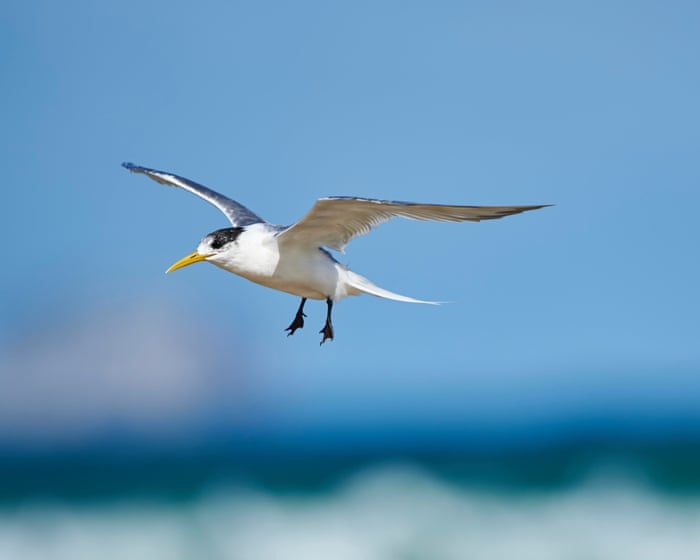
Authorities in South Australia said Saturday that helicopter surveillance found 49 dead greater crested terns on Baudin Rocks near Robe, along with 35 sick birds. The state's chief veterinary officer, Skye Freuan, said it was likely the first mass mortality event caused by the highly pathogenic H5N1 strain. The virus reached Australia only six weeks ago.
Three more suspected positive cases were reported in greater crested terns, including one inland at Monarto, an area with several poultry farms. Three silver gulls were also suspected positive, following the first confirmed case in a silver gull announced earlier on Saturday by the CSIRO.
Jack Gough, chief executive of the Invasive Species Council, said the disease appeared to be "starting to take off" and mirror the pattern seen in South America, where early detections were followed by rapid increases and mass wildlife deaths. He noted that a possible first mass mortality event had come just days after the virus was declared not eradicable, showing how quickly it could escalate.
Freuan said there was "nothing we can do" to stop the spread, but surveillance was working. Confirmed cases jumped by 20 in a few days, reaching 53. Australia was the last continent to be reached by a virus that has killed millions of birds and mammals worldwide.
Victoria confirmed its first cases this week in a greater crested tern in Portland, joining Western Australia, South Australia, New South Wales and Queensland. Five samples from crested terns in Victoria were sent to a CSIRO lab, with preliminary results suggesting more positive cases. Five confirmed cases at Seal Bay on Kangaroo Island raised concerns for Australian sea lions, an endangered species. Tens of thousands of seals have died from the disease worldwide.
Experts are particularly concerned about silver gulls, which scavenge from dead or dying animals and often gather near water bodies where the virus can thrive. Sean Dooley of BirdLife Australia said silver gulls could be a vector that carries bird flu inland, as they are common in urban areas and move between habitats. Australia's unique bird species may have no immunity, and water birds have been hardest hit elsewhere. Dooley said the mood among birdwatchers had been dampened by the possibility that some birds observed during an excellent winter season were carrying H5N1.