Witch Trials in 16th and 17th Century Latvia: A Look Back by Delfi
Delfi looks back at witch trials held in the territory of Latvia more than 400 years ago, when accusations of sorcery ended in torture and execution. The article's introduction also explains how witch hunts developed across Europe.
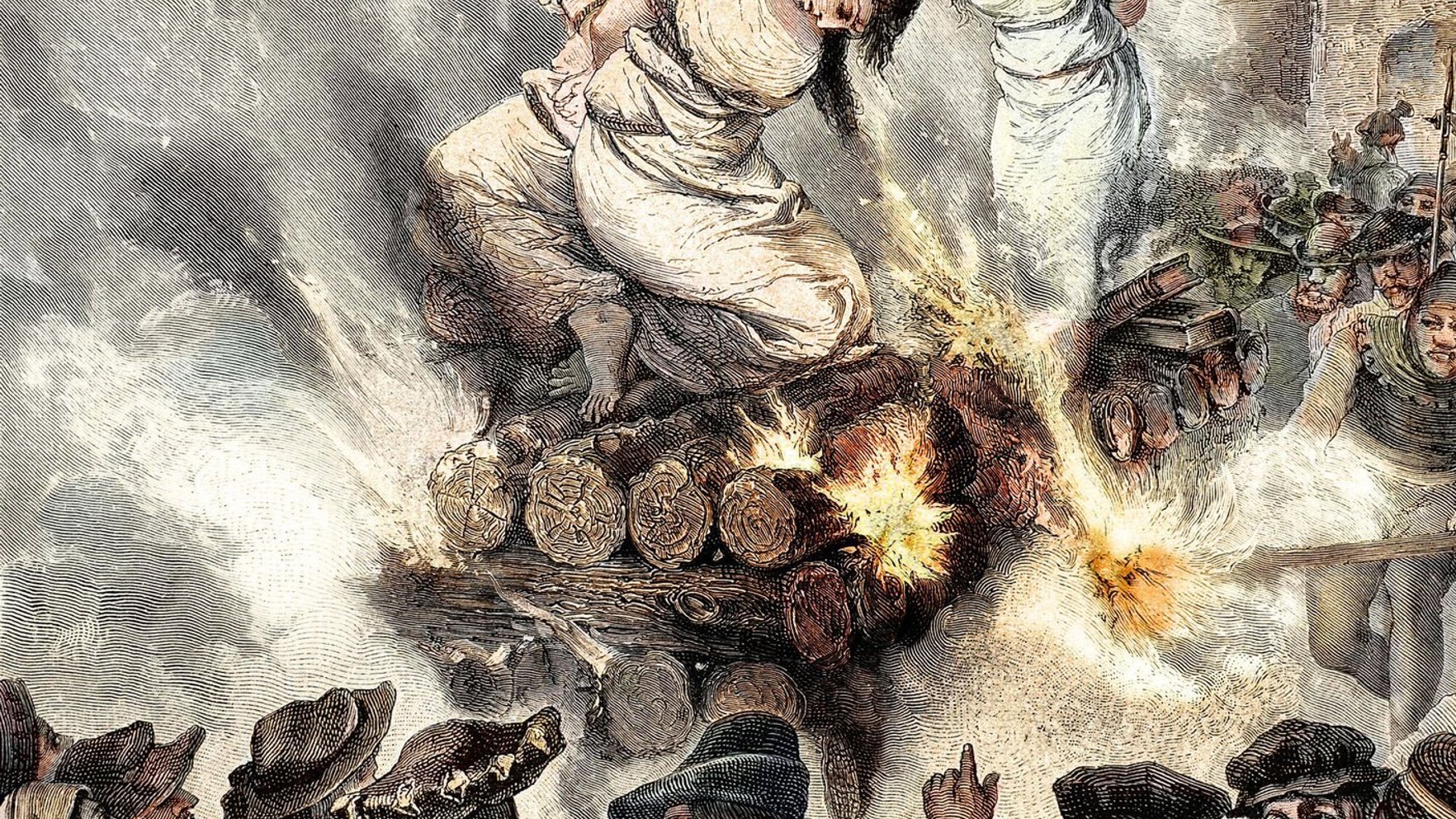
More than 400 years ago, in the 16th and 17th centuries, women in the territory of present-day Latvia were put on trial for witchcraft and sorcery. The news portal Delfi has published a historical review of several of these cases. The subject matters because witch hunts are often remembered as legends or popular-culture images, although, as the article stresses, they were a harsh reality.
According to the source, accusations of sorcery affected dozens and possibly even hundreds of Latvian women. Many of the trials ended in torture and execution. The cases combined the fight against superstition, ancient folk traditions and pagan beliefs with religious fanaticism, fear of the inexplicable and the settling of personal scores.
Witch hunts across Europe
Witch and sorcerer trials spread most widely in Europe in the second half of the 16th century and the first half of the 17th century. They took place in both Catholic and Protestant lands, though the intensity of persecution varied considerably between regions. In some Catholic countries, such as Spain, inquisition authorities in the early 17th century grew increasingly sceptical of sorcery accusations and of confessions obtained under torture. Elsewhere in Europe, the persecutions reached an unprecedented scale at that time.
Religious conflicts of the Reformation era also helped the persecutions spread. Both Catholic and Protestant theologians linked witchcraft with serving Satan, so witches and sorcerers were seen not only as people who harm others through magic but also as enemies of the Christian faith.
A major influence on these ideas was the 1487 treatise by Heinrich Kramer, "Malleus Maleficarum" ("The Hammer of Witches"), which set out principles for identifying, interrogating and punishing witches. The treatise had no force of law, yet it shaped trial practice in several European countries. Trials were mostly conducted by secular courts, so the world of witches and sorcerers entered real-world criminal law.