Riga 2050 Strategy: Experts Outline Scenarios from a Shrinking City to a Growing Metropolis
At the “Riga 2050” conference on 29 October, Riga City Council launched work on a new city development strategy, with experts presenting scenarios based on population trends. The final strategy is due to be adopted in 2028.
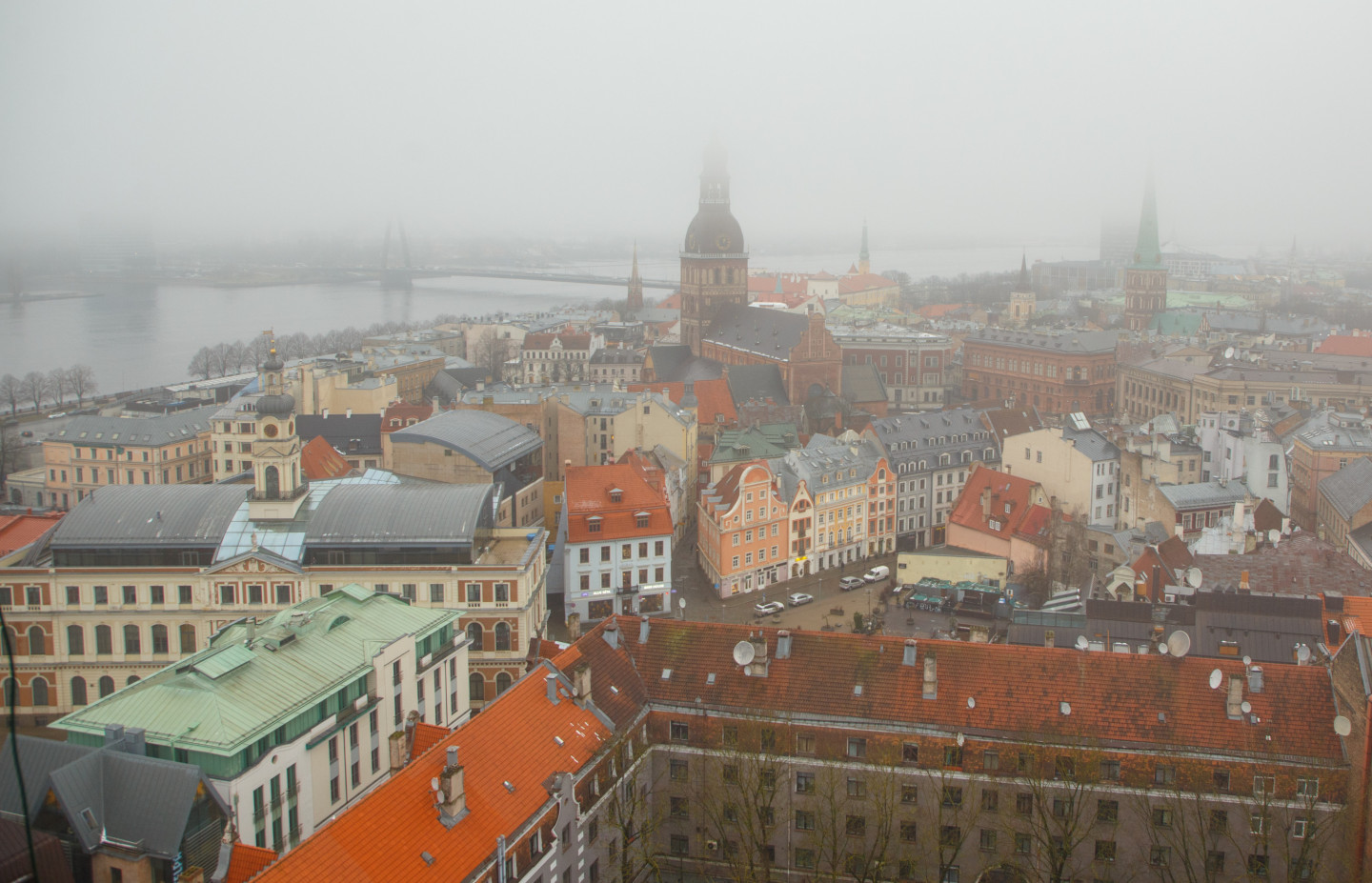
Riga's municipality officially began drafting a new city development strategy at the “Riga 2050” conference on 29 October. Experts offered several possible futures for the Latvian capital, and a central question was whether the decline in population can be halted. The strategy will serve as the basis for all other municipal work, and it is scheduled for adoption in 2028.
Population: from decline to growth
Guntars Ruskuls, head of the Strategic Management Division at the city's Development Department, presented four development paths: two involve a shrinking city, while two see Riga becoming a metropolis, either as a dynamic innovation hub or as a calmer, creative and attractive place to live.
Forecasts by the Central Statistical Bureau (CSP) show about 495,000 residents in 2035 in the least favourable scenario, 17.5% fewer than in 2025. The baseline scenario gives roughly 541,000, and the optimistic one about 592,000, still 1.4% lower. Average age could rise from 44 to 47 over the next decade, while the share of children could fall from 14% to 10.6%.
Researcher Andris Nātriņš, citing a study by the Banku augstskola university and bank SEB, described a scenario of about 640,000 residents by 2040 and proposed a target of at least 650,000 by 2050. The previous strategy's goal of 700,000 by 2030 is no longer realistic.
Housing, transport and the economy
Economist Pēteris Strautiņš noted that Riga's housing prices are the lowest among the Baltic capitals, but said low prices alone will not keep people in the city. Nātriņš suggested renovating entire neighbourhoods rather than individual buildings.
The Northern Transport Corridor, a roughly 30-kilometre highway that would link the Riga bypass near Babīte with the Sigulda highway, would cost more than a billion euros, and no funding has been found. Marta Kotello, chair of the city council's Public Space and Mobility Committee, believes Riga does not need a metro and spoke of planned new public transport routes that would reduce the need for transfers.
About half of Latvia's economy is concentrated in Riga, yet Tallinn and Vilnius outperform it in several high value-added sectors.
Public involvement
The municipality plans residents' surveys and thematic working groups. A conference on the main directions of the strategy is planned for mid-next year, and once a first draft is ready, everyone will have at least 30 days to submit proposals or objections.