Student movement wins Serbian election, ending Vučić party's 14-year rule
In Serbia's parliamentary election on Sunday, over 50% of voters backed a student-led movement that has ended 14 years of rule by President Aleksandar Vučić's party. The movement won 140 of 250 parliamentary seats.
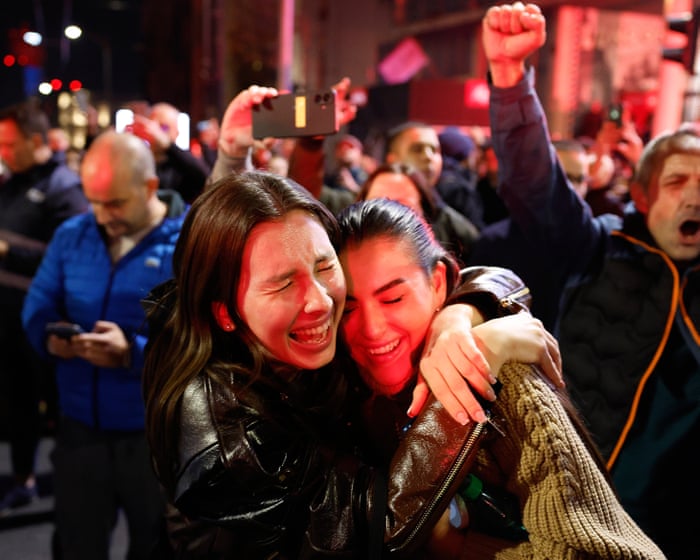
A student-led protest movement won Serbia's election on Sunday, nearly two years after it began demanding accountability for a deadly roof collapse at the railway station in Novi Sad. More than 50% of voters backed the movement, ending 14 years in power for the party of Aleksandar Vučić, an increasingly authoritarian leader. Turnout was the highest since the breakup of Yugoslavia in 1992.
The movement took 140 of the 250 seats in parliament. Its candidates range from academics to athletes and were chosen in student assemblies ahead of the vote. One candidate named the "social and psychological detoxification" of the country as the top priority.
From street protests to power
The protests began in Novi Sad after the station roof collapsed. They were met with baton-wielding police and teargas, while politicians branded the students traitors. In April last year, students set out by bicycle on a 13-day journey to Strasbourg, France, to draw European attention to the erosion of democracy in Serbia. In an open letter to French President Emmanuel Macron, they wrote that they were riding not to flee Serbia but to bring it back.
On election night, tens of thousands of people celebrated in streets across the country. Sara, 24, told the Guardian that they were now standing as victors on the very streets where police had beaten them.
What comes next
The movement has no hierarchy or leader, and must now govern a state whose media and institutions Vučić's party spent years controlling and using as political tools. Its platform contains 11 points, including tackling corruption, reforming the judiciary and media, and improving access to healthcare. One member said the movement does not expect overnight miracles but hopes for normal, functioning institutions.
Serbia applied to join the European Union in 2009, but the process has largely stalled in recent years. The movement's platform promises a referendum on future EU membership. European Commission President Ursula von der Leyen said the EU stands ready to support reforms on the rule of law, media freedom and the fight against corruption. EU enlargement commissioner Marta Kos said a new chapter can begin for Serbia and that the door to the EU is open.