Sociologist: Lithuania still struggles to call racism by its name
In an opinion piece for LRT, Agnieška Avin-Ileri, a junior researcher at the Lithuanian Centre for Social Sciences, argues that recent incidents targeting Muslims and Roma show signs of racism, yet the word is still often seen as unsuitable in Lithuania.
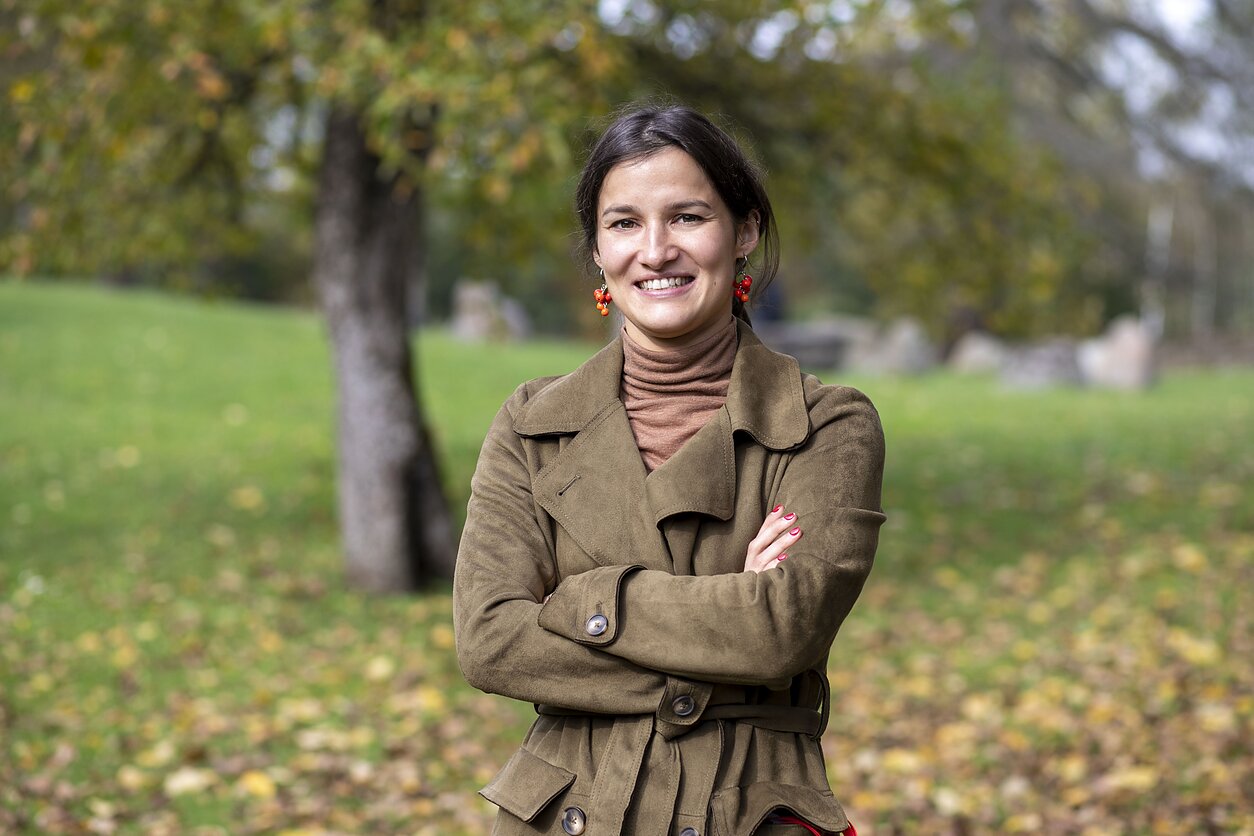
In an opinion piece published by Lithuanian public broadcaster LRT's English-language service, Agnieška Avin-Ileri, a junior researcher at the Institute of Sociology of the Lithuanian Centre for Social Sciences, argues that Lithuania has seen incidents in recent months that would readily be called racism elsewhere. She says the word still often sounds too strong or borrowed from a different historical context in Lithuania. What follows is the author's opinion.
Incidents entering public life
The author cites a case in Kaunas, where bikers gathered outside a mosque during Friday prayers and displayed a pig's head. In central Vilnius, a Quran or a translation of it was reportedly burned. Migration debates increasingly refer to "invasive species", while protesters again chant "Lithuania for Lithuanians". In her view, what has changed is not only the frequency of such statements but their place: they are becoming part of mainstream political discourse.
She stresses that not every critical stance on immigration is racist and that migration policy can and should be debated. But when certain groups are portrayed as more dangerous or less compatible with society simply because of their origins, it is no longer a neutral discussion.
Roma history and language
The author says the absence of overseas colonies in Lithuania does not rule out racism. She recalls that the Lithuanian Statutes of 1566 and 1588 included provisions for expelling itinerant and newly arrived Roma from the state. Today, Roma in Lithuania and elsewhere in Europe face discrimination in education, employment and housing.
She also mentions a recent controversy over the words "čigonas" and "negras". Audrius Valotka, head of the State Language Inspectorate, defended their use by pointing to historical usage. A few weeks later a fight broke out in Šeduva, involving 13 people according to police, most of them Roma. Initial reports said it began after a remark to Roma: "This is Lithuania, and you have to speak Lithuanian here." The author acknowledges there is no evidence directly linking the fight to Valotka's statements.
The security argument
The author notes that the country's top leaders, commenting on anti-Muslim incidents, raised the possibility of provocations by hostile states. She does not deny hybrid threats, but warns that if the national security explanation becomes the main one, it can divert attention from racism within society itself.