IAEA expects to resume inspections at Iranian nuclear sites soon
The head of the International Atomic Energy Agency expressed confidence that inspections will take place soon under an interim deal between Iran and the US, but Iranian officials say the issue will only be decided within a final agreement and after sanctions are lifted.
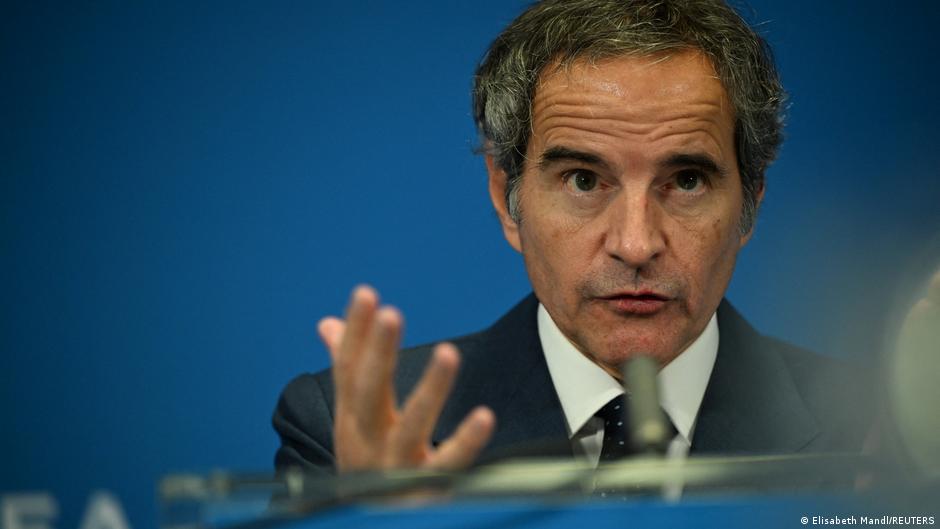
International Atomic Energy Agency (IAEA) chief Rafael Grossi said on Wednesday that the UN nuclear watchdog will inspect Iranian nuclear sites in the foreseeable future, citing an interim agreement between Iran and the United States. "Whether this happens the day after tomorrow or in one week or in 10 days, it's important, but not essential," Grossi told reporters. "This is going to happen."
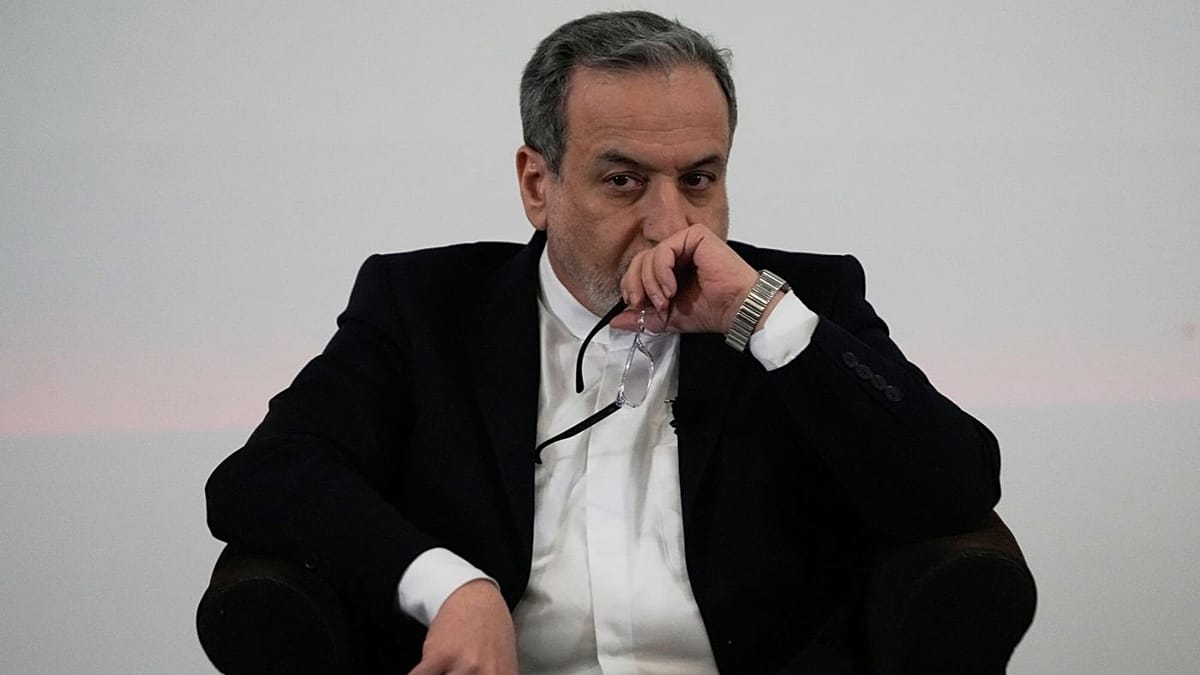
However, Iran's deputy foreign minister, Kasem Gharibabadi, responded that such issues "will be reviewed and decided only within the framework of a final agreement" and after progress is made on lifting sanctions. Iran's ambassador to the UN in Geneva also stressed that Tehran has not yet agreed to the return of IAEA inspectors.
Experts say comprehensive inspections are technically possible, but significant political obstacles remain. Georg Steinhauser, a radiochemistry professor at the Vienna University of Technology, noted that uranium enrichment takes place in large, conspicuous industrial plants, making it hard to hide. "It's inconceivable that someone secretly builds an atomic bomb in a basement and only shows the inspectors the ground floor," he said. Enrichment requires massive facilities and thousands of centrifuges, so such programs are generally easier to monitor than smaller-scale activities.
Hessam Habibi Doroh, a political scientist at the Institute for Peace Support and Conflict Management in Vienna, said it is positive that inspections are being discussed, but there are considerable political reservations. A law passed by Iran's parliament restricts cooperation with the IAEA, and influential voices in parliament oppose comprehensive inspections.
The IAEA itself says its main challenge is not technical capability. Since attacks on Iranian nuclear sites last year, the agency has lost access to key enrichment facilities and relies primarily on satellite imagery. It can no longer verify if Iran has stopped enrichment, where uranium stockpiles are, or how many centrifuges are operating. According to the IAEA, Iran still has about 440 kilograms of uranium enriched to 60%, which could be enough for several nuclear weapons after further enrichment to 90%. Iran denies any weapon intentions, insisting its program is civilian.
Steinhauser emphasized that the key question is access, not technical possibilities. "If this access is granted in full, then you can determine with great certainty whether a country is pursuing a civilian or a military nuclear program," he said. Habibi Doroh also considers comprehensive inspections possible, but they would require a verification regime like the 2015 Joint Comprehensive Plan of Action (JCPOA). It is questionable whether Tehran is willing to make such concessions now. Parts of Iran's political and security establishment are openly debating whether to expand rather than limit nuclear options in light of recent military conflicts.
The Institute for Science and International Security in Washington describes a "near-total, ongoing loss of monitoring of Iranian nuclear sites." Meanwhile, experts from the Carnegie Endowment for International Peace warn not to underestimate Iran's technical capabilities after the attacks: while large parts of known infrastructure are damaged, reconstruction or relocation to smaller, clandestine facilities cannot be ruled out. Steinhauser noted that industrial enrichment plants are hard to conceal, so whether international inspectors can follow the traces depends on Iran's political willingness to grant access.