Ukraine's #MeToo: How the Wall of Silence Crumbles in Wartime
Following Babel's investigation into the brutal practices of the 425th separate assault regiment, Ukraine has seen a MeToo-like wave where victims and witnesses speak up about violence and abuses in the army, breaking the previous silence.
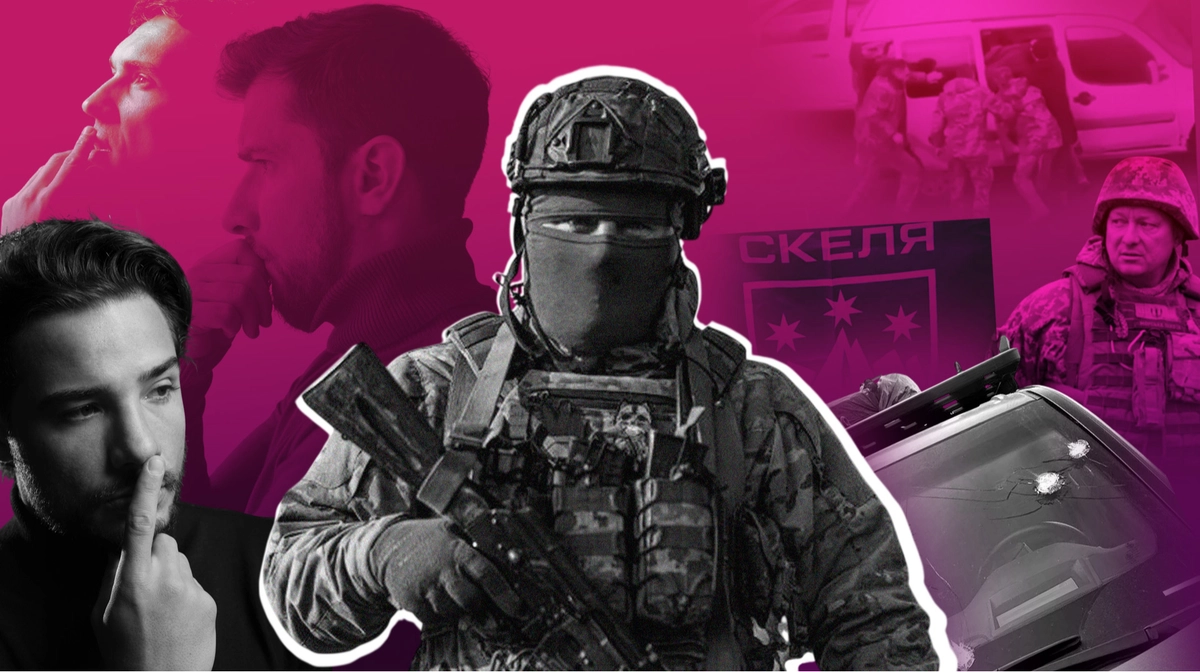
Ukraine has been shaken by 'SkelyaGate' – a scandal around the 425th separate assault regiment exposed by Babel. After the publication, social media saw other accounts of violent incidents, including the March 2025 shelling of a Sky News car near Dobropillya. A similar effect occurred earlier: when accusations against General Yurii Sodol surfaced, many began sharing horrors of the Krynyky operation.
The Ukrainian version of the #MeToo campaign works similarly: the 'victory factory' – the military – replaces Hollywood, with anti-heroes like General Sodol and Lt. Col. Yurii Harkavyi. Victims are mostly men of conscription age, but relatives often make public revelations.
Two reasons underlie the silence: patriotism and fear. Patriots avoid discrediting the country, while fear stems from accusations of working for the enemy, retaliation from security structures. When silence breakers like Babel initiate the discussion, others feel safer to talk – once a topic is public, it can be used as justification.
Public reaction is polarized: some praise Babel as heroes, others – like soldier Mykola Kharkhan – call them 'paid journalist whores' and threaten violence. Two weeks after the investigation, the State Bureau of Investigation unexpectedly searched Babel's co-owner's premises, suggesting possible retaliation.
Author Mykhailo Dubynianskyi concludes: to avoid such scandals during war, one must either eliminate abuses or silence the whistleblowers. Ukraine currently faces a dilemma between truth and stability.