UniCredit nears Commerzbank deal as German resistance shows signs of easing
Some figures in Berlin's government are reportedly open to discussing the sale of the state's 12.7% Commerzbank stake to UniCredit, provided a strategy agreement is reached, which could push the Italian bank's holding above 60%.
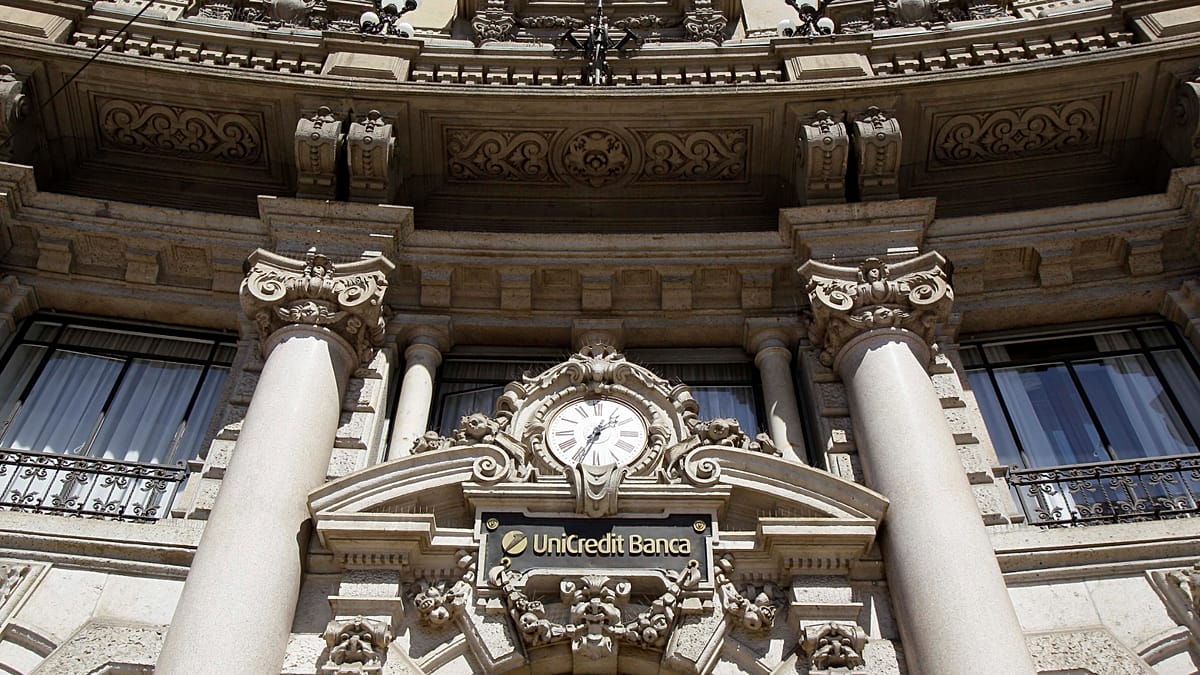
Nearly two years into its standoff with Commerzbank, UniCredit appears to be entering a decisive phase. According to Bloomberg, some senior figures in the German government are now willing to discuss selling the state's remaining 12.7% stake in Commerzbank to UniCredit, on condition that an agreement is reached on the bank's future strategy. It is not yet an official government decision, but it marks a notable shift.
Should the sale proceed, UniCredit's stake would rise from roughly 47.6% to more than 60%. After completing its share-exchange offer in July, UniCredit already holds 47.59% of Commerzbank's capital, equivalent to 49.65% of voting rights. Crossing the 50% and especially the 60% thresholds would give UniCredit far more robust control, a stronger position at shareholder meetings and a different bargaining stance with the supervisory board, management and employee representatives.
For UniCredit chief executive Andrea Orcel, the deal offers economies of scale and a deeper foothold in Germany, where the group already operates through HVB. Reuters has reported that Orcel's plan aims to cut roughly 1.3 billion euros from Commerzbank's cost base, while initially keeping it separate from HVB. However, Commerzbank has deep roots in financing Germany's Mittelstand, and its relationship-driven model differs from UniCredit's more standardised, efficiency-focused approach, raising the risk of a cultural clash. The European Central Bank has warned integration could be complex and lengthy. A final decision on regulatory approval is expected between September and October.
Berlin has long resisted the takeover, citing concerns over jobs, support for German small and medium-sized enterprises, and Frankfurt's status as a financial hub; in July it still described UniCredit's approach as unacceptable. But the mood is shifting. Commerzbank supervisory board chairman Jens Weidmann acknowledged in late July that the balance of power had changed and voiced readiness for constructive dialogue, while August brought the first formal talks between Orcel and Commerzbank chief executive Bettina Orlopp.
The ECB has long pushed for deeper European banking integration, noting that around 80% of bank loans still go to borrowers in the lender's home country. The Commerzbank case is now seen as a test of whether European governments will actually back the cross-border consolidation the ECB has been calling for.

/nginx/o/2026/10/03/17953017t1hec84.jpg)