Business leader: trade missions must deliver real deals, not just photo ops
Andris Ramoliņš, head of timber company Stiga RM, is calling for better preparation of state-organized trade missions so Latvian exporters meet genuinely interested partners rather than random contacts. He argues success should be measured by concluded deals, not by delegation size or media coverage.
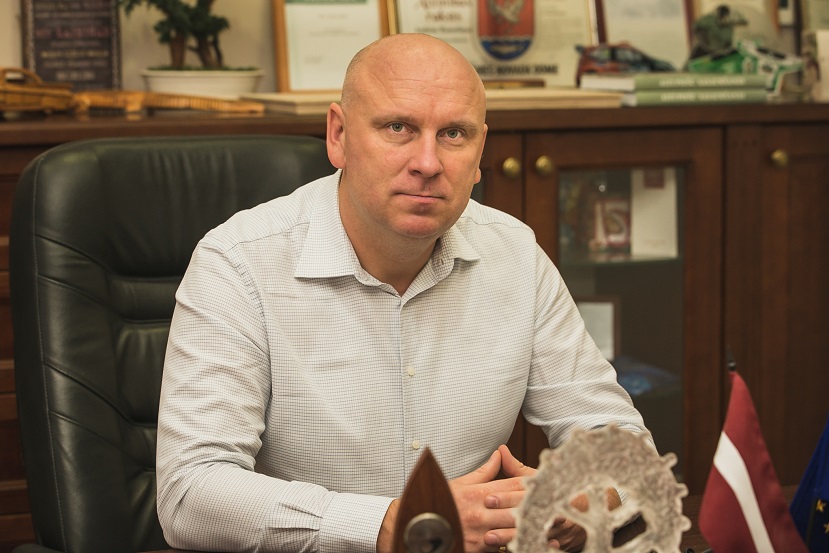
Andris Ramoliņš, chairman of the board of timber company Stiga RM, has published an opinion piece arguing that state-organized trade missions and visits by top officials abroad can be a valuable tool for Latvian exporters, but their effectiveness could be significantly improved.
Preparation is decisive
Ramoliņš argues that companies should only join such trips if potential partners have already been identified and approached beforehand, with support from Latvia's investment and development agency LIAA or its embassies. He notes that today, companies can use artificial intelligence tools to conduct market research and compile a list of potential partners within a few hours. However, the actual invitation to a meeting should come from the state side, as this lends the negotiations greater credibility.
As an illustration of why precise preparation matters, he recalls one visit where he ended up face to face with a brick buyer who had no interest whatsoever in birch plywood.
The advantage of being small
Ramoliņš points out that Latvia, as a small economy, has comparatively few large and medium-sized enterprises — fewer than 250 — compared with more than 150,000 in France. This means less competition for a spot in official delegations, giving ambitious Latvian exporters relatively greater opportunities to benefit from the trust that state involvement generates.
Experience from several missions
Stiga RM has itself taken part in trade missions to Japan and South Korea, and recently joined the economy minister on a visit to Ukraine. Based on this experience, Ramoliņš concludes that while such visits are generally well organized, they often lack a targeted match between the offerings of delegation companies and the actual needs of the host country's businesses.
He stresses that the success of such visits should not be judged by delegation size or media coverage, but by whether companies met suitable partners and whether real deals followed. In his view, Latvia does not need a new system — only to make the existing one more targeted, drawing on the potential of LIAA and the country's embassy network.