Scientists discover unexpected way to make pancreatic cancer cells self-destruct
A new study shows that experimental compounds called PCAIs can cause pancreatic cancer cell death by hyperactivating signaling pathways normally associated with tumor growth.
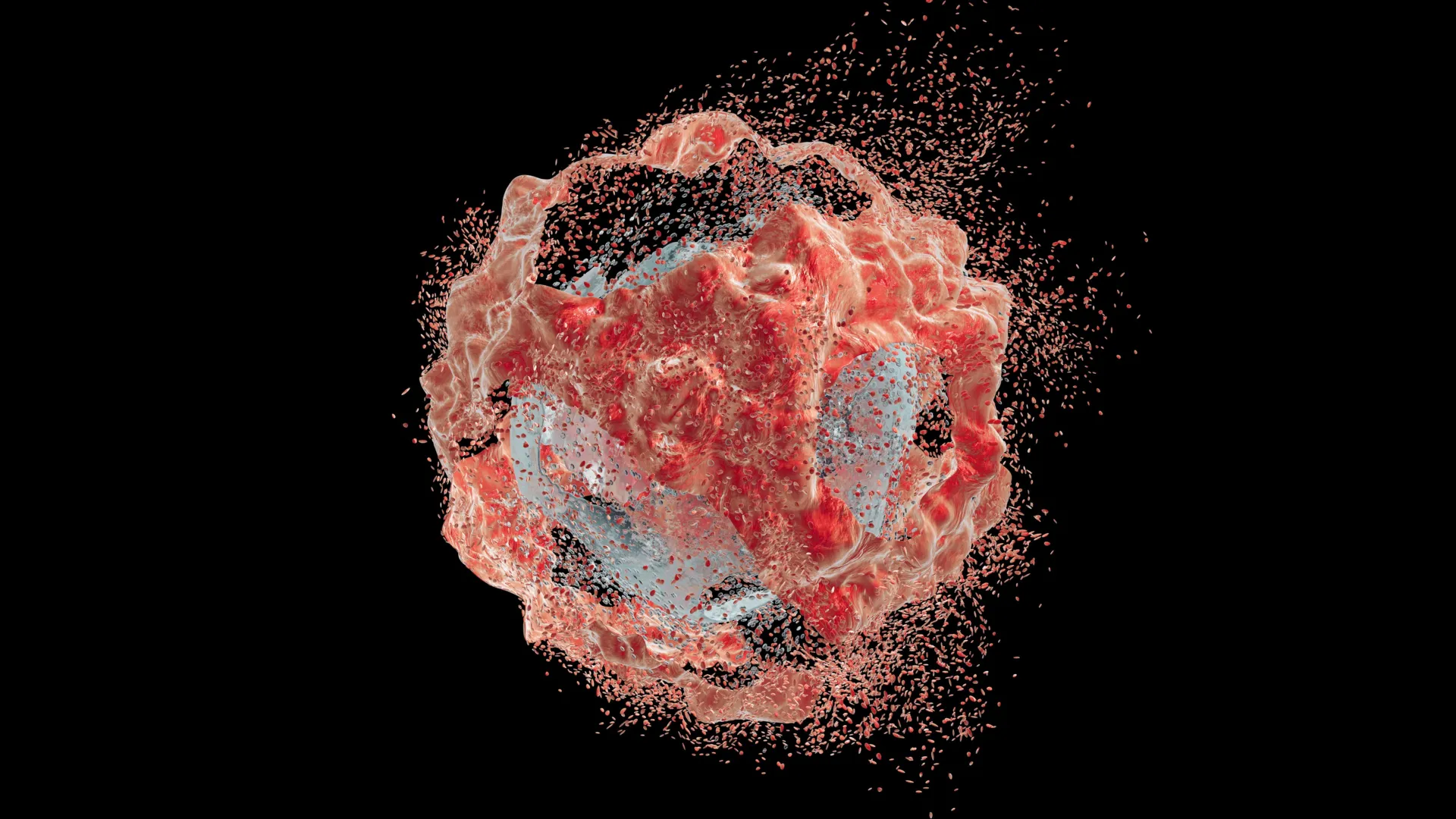
A new approach to pancreatic cancer
Researchers from Florida A&M University's College of Pharmacy and Pharmaceutical Sciences have published a study in Oncotarget highlighting a promising strategy against pancreatic cancer. Pancreatic ductal adenocarcinoma is one of the deadliest cancers, largely due to frequent KRAS mutations that drive tumor growth and resist treatment. While some therapies target specific KRAS mutations, many patients lack effective options.
PCAI compounds and their effects
The study tested polyisoprenylated cysteinyl amide inhibitors (PCAIs), originally designed to disrupt abnormal KRAS signaling. Using pancreatic cancer cells with KRAS mutations, the team focused on a lead compound, NSL-YHJ-2-27. At just 1 µM, it blocked over 90% of cancer cell migration, suggesting potential to limit metastasis.
PCAIs interfered with multiple processes: they reduced levels of monomeric G-proteins involved in cell movement, altered expression of tumor-related genes, and disrupted the actin cytoskeleton, causing cells to round up and lose mobility.
Hyperactivating cancer pathways
Surprisingly, PCAIs did not shut down the MAPK and PI3K/AKT pathways but hyperactivated them. This excessive activation destabilized cellular functions, leading to cell death. Treated cells showed increased reactive oxygen species, activated caspases, elevated pro-apoptotic BAX protein, and widespread apoptosis.
Gene activity changes and 3D models
Transcriptomic analysis revealed extensive gene expression shifts: tumor-suppressor genes were upregulated, while genes promoting cancer progression and metastasis were downregulated. In 3D tumor spheroid models, PCAIs caused spheroid disintegration, reduced invasion, and increased apoptosis, indicating effectiveness in more realistic tumor environments.
Potential for multiple KRAS mutations
The researchers emphasize that PCAIs appear effective against cancer cells with various KRAS mutations, not just one type. This broader activity could address limitations of current targeted therapies. The findings support further research into PCAIs as potential treatments for pancreatic and other KRAS-driven cancers.

/nginx/o/2026/08/18/17855799t1hb2b7.jpg)
