Scientists warn of invasive species risk from ships stranded near Strait of Hormuz
An international group of marine researchers warns that ships idling for months near the Strait of Hormuz are accumulating invasive organisms that could threaten ecosystems worldwide once traffic resumes.
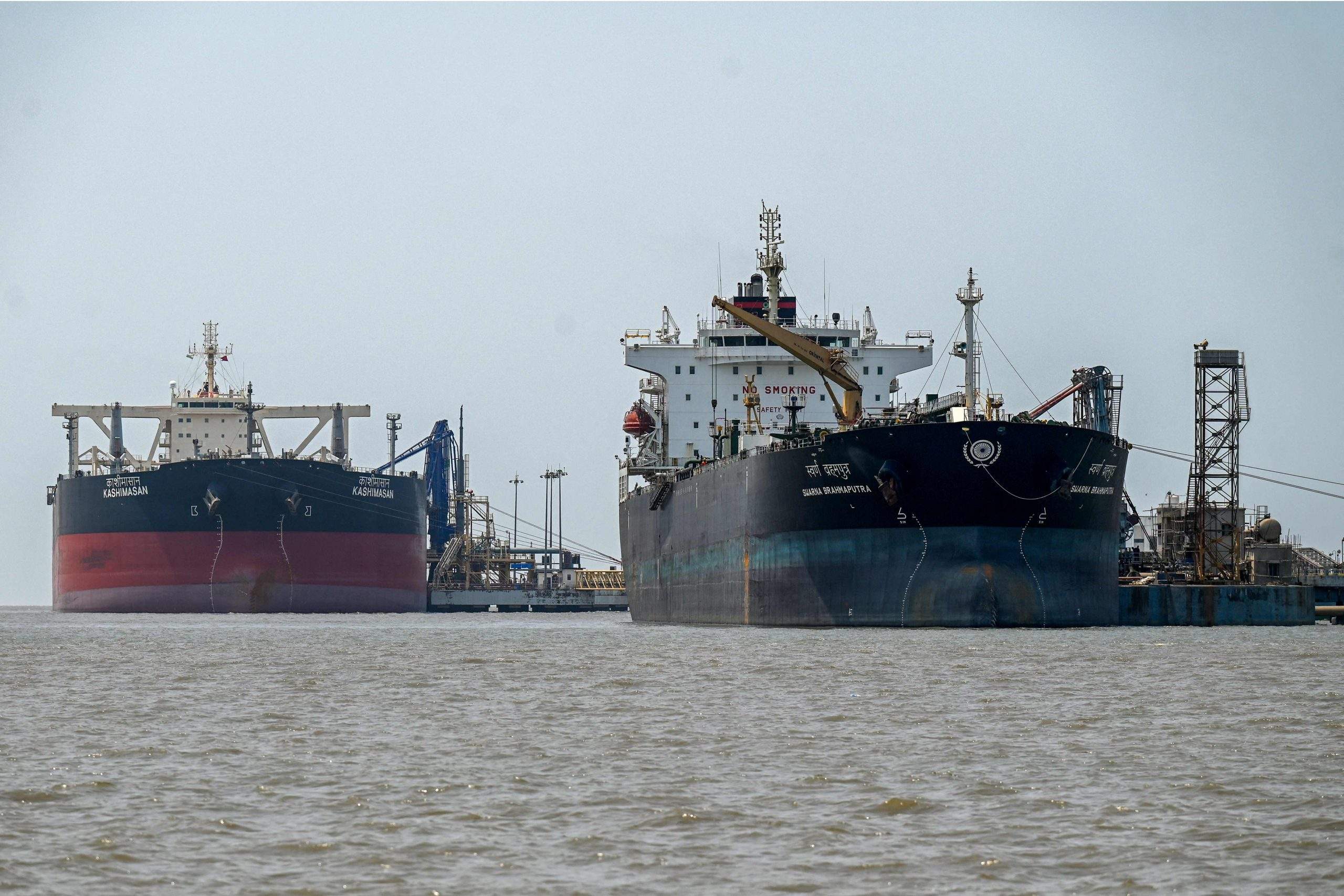
More than 1,500 vessels, including oil tankers and cargo ships, have been forced to halt near the Strait of Hormuz since late February. They have been waiting to resume passage through one of the world’s most important maritime trade routes. While the ships remain stationary, their underwater surfaces gradually become covered with microorganisms, algae and other marine organisms. An international group of marine researchers warns that once traffic resumes, these organisms could be carried to entirely different parts of the world.
The study’s lead author, Mario Tamburri, a professor at the University of Maryland Center for Environmental Science, described the situation as a “perfect storm” and the worst possible scenario. Scientists explain that organisms have difficulty attaching to a moving hull, but a ship that stays in one place for a long time offers a suitable surface for growth. Within about ten days, many marine organisms enter a phase of rapid growth. Since many ships near Hormuz have already been waiting for months, dense colonies can build up on their hulls.
When the ships eventually move on, some organisms may detach and enter new ports. If they survive and reproduce, they become invasive species that compete with native species for food and habitat, alter local ecosystems and can even push out local species. They may also damage port infrastructure, clog pipes and carry pathogens that can in some cases threaten human health.
The Strait of Hormuz is one of the key routes for energy transport. Researchers fear that after shipping resumes, the long-idle vessels could quickly spread across many regions, carrying organisms from the Gulf of Oman area to the Mediterranean, European ports, Asia or Africa.
The authors urge that the risk be reduced before the congestion disperses, by strengthening biofouling management, including hull inspections and cleaning. Special attention should be paid to ships that have remained stationary for months. Otherwise the consequences of the economic and geopolitical crisis could extend far beyond oil prices and supply chains, affecting marine ecosystems at great distance from Hormuz itself.
