US scientists uncover a new cholesterol pathway and a possible drug candidate
Researchers at the University of California San Diego have described in Nature a previously unknown process by which a high-cholesterol diet weakens the liver's ability to clear LDL cholesterol. Blocking the enzyme CTSA sharply lowered LDL levels in mice.
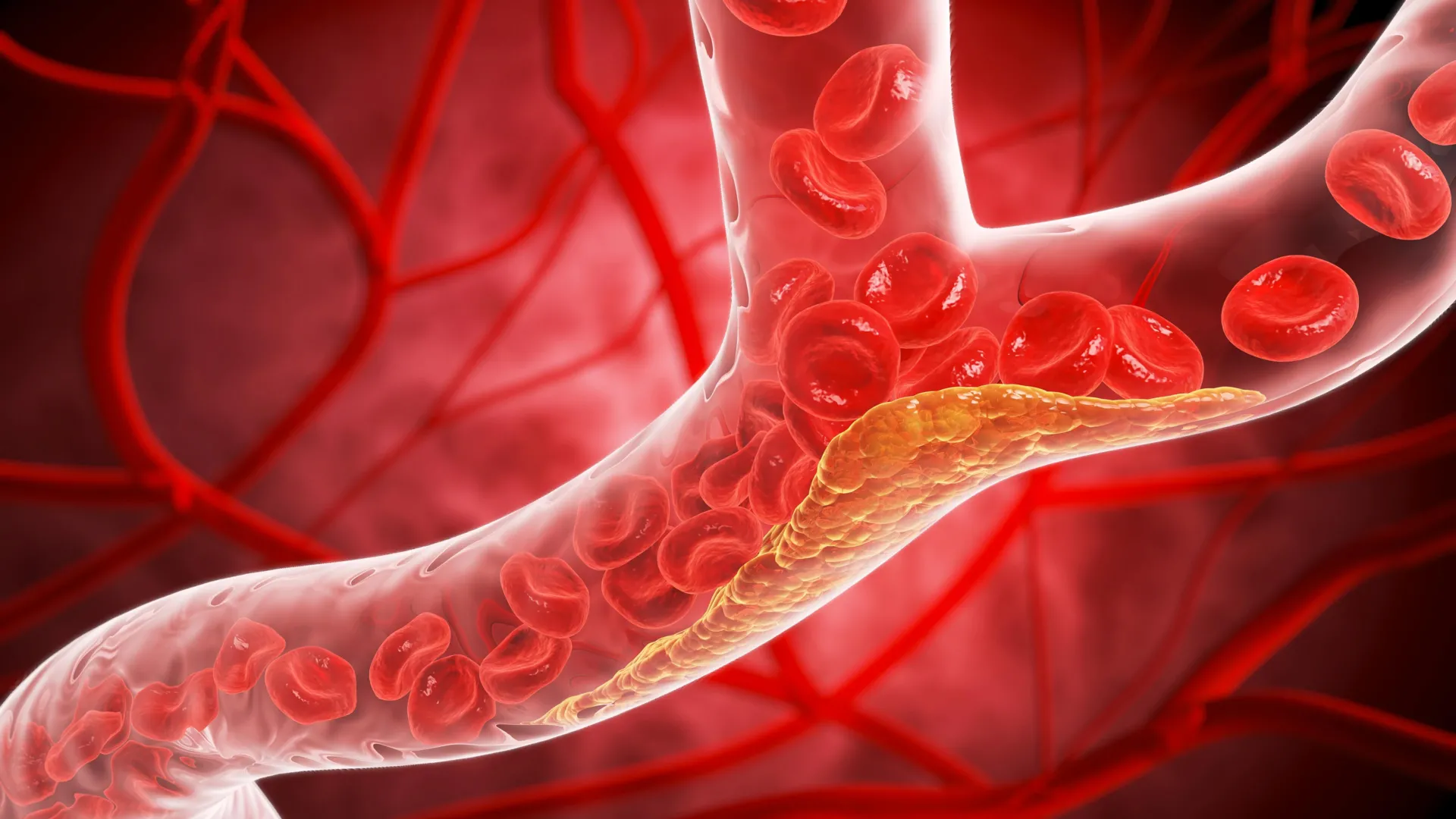
Researchers at the University of California San Diego (UC San Diego) School of Medicine have identified a previously unknown biological pathway that helps explain why a diet high in cholesterol gradually reduces the body's ability to remove low-density lipoprotein (LDL), the so-called "bad" cholesterol, from the blood. The findings were published in the journal Nature. They matter because heart disease linked to high cholesterol remains the leading cause of death worldwide, and some patients cannot reach safe levels with current drugs or have side effects that make treatment hard.
How the liver clears cholesterol
The liver plays the central role in controlling cholesterol. Its cells carry LDL receptors on their surface, which work like docking stations: they capture LDL cholesterol circulating in the blood and bring it inside for processing. The more receptors there are, the more cholesterol can be removed. Widely used medications such as statins and PCSK9 inhibitors work by maintaining or increasing receptor numbers.
The newly found mechanism
Using experiments in mice and human cells, the team found that large amounts of dietary cholesterol activate a protein called Ral. This sets off a chain of events that reduces the number of LDL receptors. The enzyme cathepsin A (CTSA) also helps drive the process. When researchers blocked CTSA with a small-molecule inhibitor, LDL receptors became more stable and circulating LDL cholesterol in mice dropped dramatically.
The pathway differs from those targeted by existing drugs, which could help patients who do not respond adequately to current treatments, said senior author Alan Saltiel, professor of medicine at UC San Diego and director of the UC San Diego/UCLA Diabetes Research Center.
A drug that has already been tested
A CTSA inhibitor was earlier developed as a possible treatment for heart failure. The programme was discontinued for strategic reasons, but the drug had already completed a Phase 1 clinical trial that assessed its safety in humans. The researchers believe it could move into a Phase 2 trial to test its effectiveness against high cholesterol.
The work is at an early stage, and the drug has not yet been shown to lower cholesterol in people. The research was partly funded by the US National Institutes of Health and an American Diabetes Association postdoctoral fellowship.