Chery Tiggo 9 Covers 1,029 km Across Baltics on One Tank and One Charge
In a three-day journey, a Chery Tiggo 9 plug-in hybrid covered 1,029 kilometers across Lithuania, Latvia, and Estonia on a single tank of fuel and one battery charge, validating the manufacturer's claimed maximum range in real-world conditions.
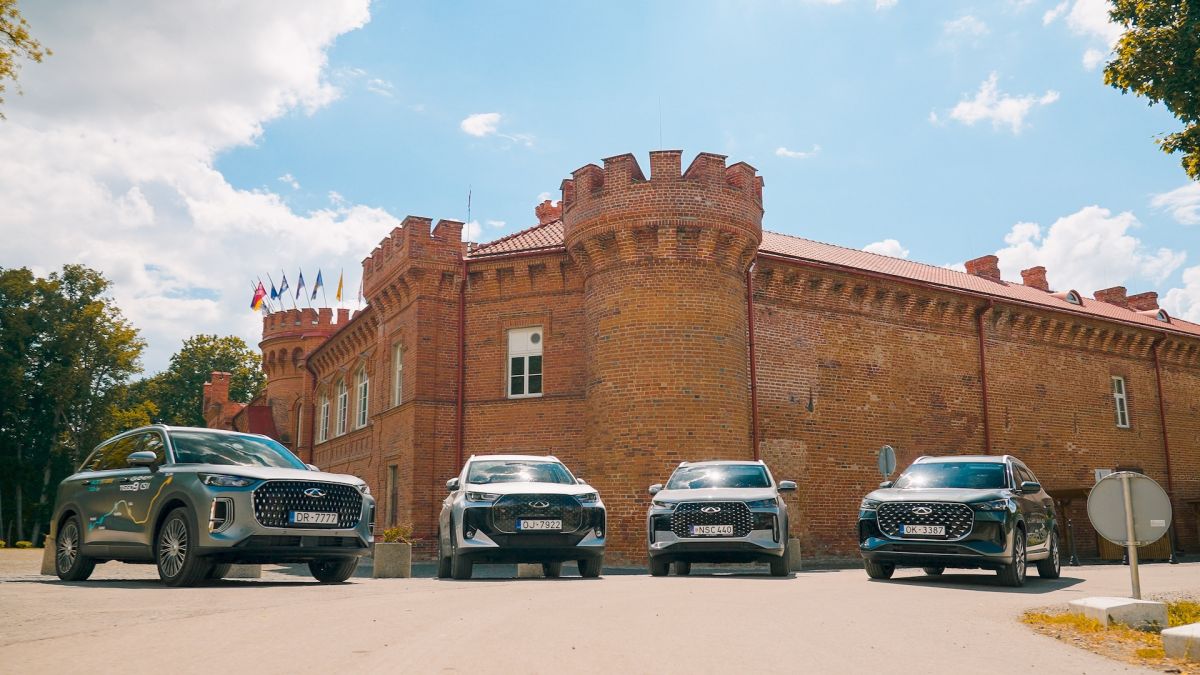
Automakers are increasingly turning to real-world road tests to verify the efficiency of their vehicles, rather than relying solely on laboratory measurements. A recent example is the Chery Baltic Journey, where the seven-seat Tiggo 9 SUV drove 1,029 kilometers through Lithuania, Latvia, and Estonia in three days, using only one fuel tank and one battery charge.
The journey began in Lithuania, where the local team covered 395 kilometers, continued in Latvia with 399 kilometers, and ended in Estonia with 235 kilometers. Each country had a different crew of automotive journalists, content creators, and importer representatives. In Latvia, the car was tested by Guntars Pulss, Rihards Lepers, and Emīls Muižnieks; in Lithuania by Vitoldas Milius, Inga Žuolytė, and Motiejus Musnikas; and in Estonia by Kaspar Sepp, Arabella Järvet, and Marko Viirand.
According to Emīls Muižnieks, the main advantage of such a test is the ability to evaluate the car in unpredictable everyday conditions—varying weather, different road profiles, and real traffic. He emphasizes that under these circumstances, it is impossible to artificially improve impressions, so the results reflect the true characteristics of the vehicle.
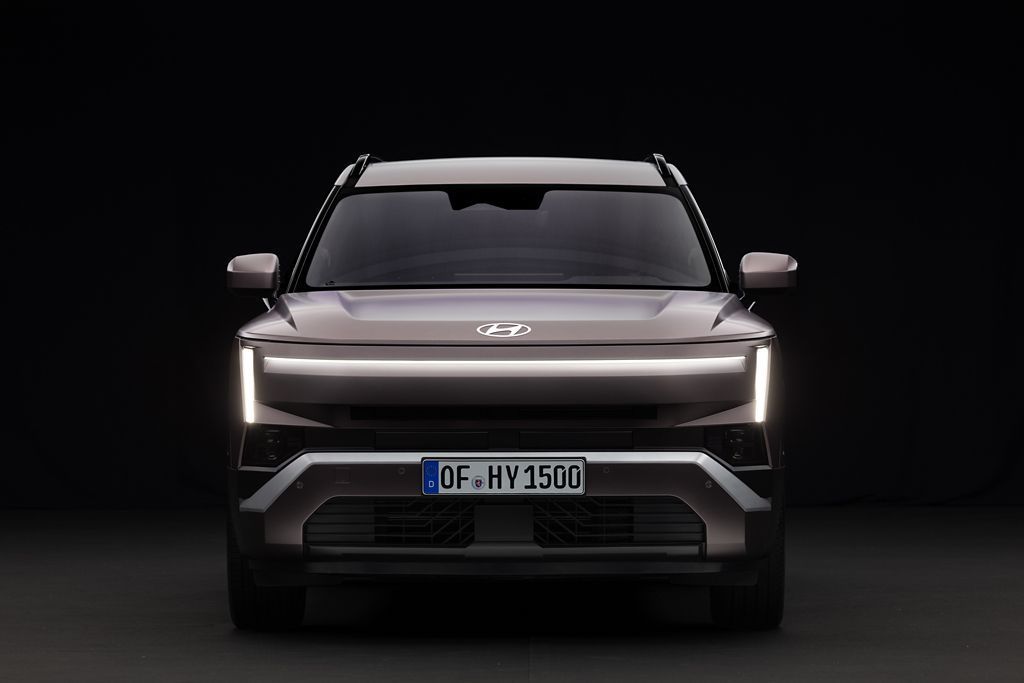
The Chery Tiggo 9 is equipped with the Chery Super Hybrid (CSH) drivetrain, combining a fifth-generation gasoline engine with 44.5% thermal efficiency, a two-speed DHT transmission, and a high-capacity battery. The manufacturer claims a maximum range of up to 1,050 kilometers with a full tank and a fully charged battery. The Baltic journey showed that this figure is achievable in practice—the car covered 1,029 kilometers.
This D-segment seven-seat SUV measures 4.81 meters in length, has a total hybrid output of 422 hp, and accelerates from 0 to 100 km/h in 5.4 seconds. The official average fuel consumption with a depleted battery is 6.9 l/100 km, while the combined WLTP figure is 1.7 l/100 km.
The trip holds particular significance for a Chinese brand still establishing itself in the Baltic market. According to Muižnieks, real-world tests help build trust that advertising alone cannot achieve. Footage from the journey will be used in a documentary film about the route and participants' impressions.