Some Latvian fuel stations to be required to have backup power and communications
Latvia's parliament has given final approval to amendments to the Energy Law requiring certain fuel stations to keep operating during power and communications outages. The obligations are to be met by 30 June 2028.
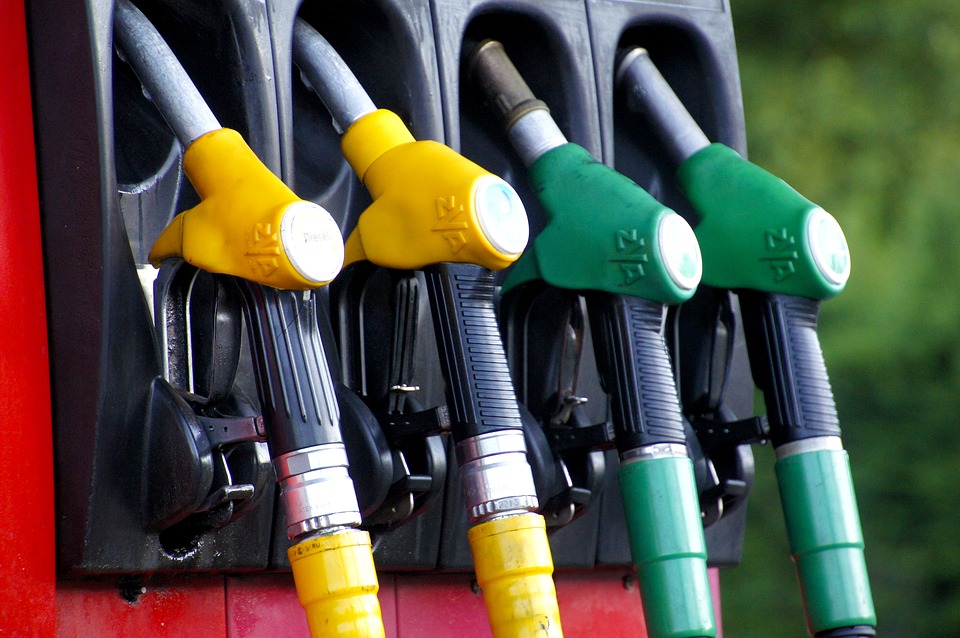
On Thursday the Saeima, Latvia's parliament, adopted in the second and final reading amendments to the Energy Law. They oblige certain fuel stations to ensure continuity of operations, including alternative power supply, telecommunications and fuel availability. The issue became pressing after an August storm, when power and communications outages in several parts of Latvia made it impossible to buy fuel.
What the amendments say
A retailer operating a fuel station that meets set continuity criteria will have to put in place the necessary measures. These include alternative power and electronic communications solutions so that fuel can still be dispensed during service disruptions.
The Cabinet of Ministers will decide which stations are covered, as well as the specific measures, how they are implemented and the deadlines. The government must issue the relevant regulations by 28 February 2027. The overall obligation is to be fulfilled by 30 June 2028, although the Cabinet may set earlier deadlines for individual groups.
Industry objections and costs
Gatis Titovs, a representative of the Latvian Fuel Traders Association, told a Saeima committee that a single generator at a station could cost €30,000 to €50,000, meaning three to five million euros for 100 stations. Installing Starlink satellite internet at one station could cost about €1,700, with other implementation costs and a subscription fee on top.
The association backed the idea of strengthening continuity in principle but urged against rushing requirements and deadlines before it is known which stations will be affected. The Latvian Chamber of Commerce and Industry also supported the aim, but said costs and possible state support should be assessed before mandatory requirements are introduced, and that the rules should be aligned with critical infrastructure regulation.
Fuel retailers Virši-A, Viada Baltija, Circle K Latvia and Neste Latvia said that rolling out generators and satellite internet across the whole network would require substantial investment, so requiring all stations to be equipped without state co-financing would be disproportionate.