Latvia's data watchdog clarifies when employees may secretly record workplace conversations
The Data State Inspectorate has explained when employees are allowed to secretly record conversations at work to expose mobbing or other violations. Such recordings are permitted only for a justified purpose and under strict data-protection conditions.
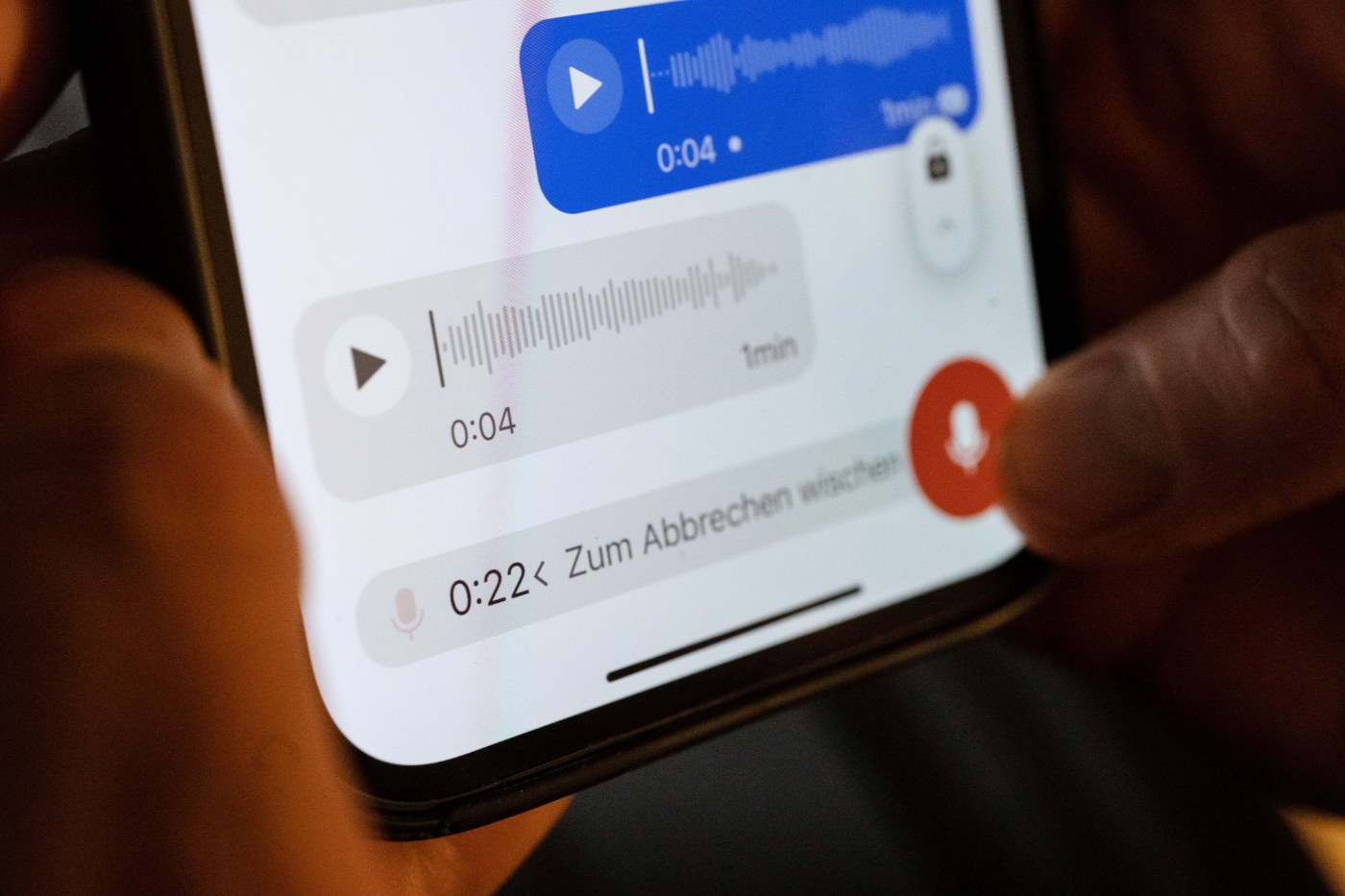
Employer-employee relations in Latvia are governed by both national and international law, including the Labour Law, which sets out procedures for hiring and dismissing staff. In practice, employees are often less protected than employers when all formal legal conditions have technically been met.
Some employees have approached both the State Labour Inspectorate and the Data State Inspectorate seeking guidance on how to protect their rights when an employer dismisses them without justification or treats them with hostility and lack of ethics. Alleged workplace mobbing is not limited to the employer alone — colleagues who take part in creating an unfavourable environment for a worker can also be involved.
When recording is allowed
The Data State Inspectorate explains that a recording of a person's voice, if it can be linked to an identifiable individual, constitutes personal data, and making such a recording of a conversation counts as processing of personal data subject to data protection rules.
Secretly recording a conversation at work is permitted only when there is a justifiable purpose — for example, when it is the only way to expose unlawful conduct. When handing such a recording over to law enforcement authorities, only the portion revealing the alleged violation may be submitted; any part unrelated to it, or revealing other private-life details, must be deleted. The violation captured in the recording must also be more significant than the individual's right to data protection in that specific case.
The inspectorate notes that courts have likewise assessed secret conversation recordings and found that the general prohibition on such recordings can be set aside when the person made the recording to protect their own interests — particularly when they are the less protected party, such as an employee rather than a manager.
Overall, secretly recording a workplace conversation is permissible when done to expose unlawful conduct and defend one's own interests, provided the significance of the exposed violation outweighs the interest in personal data protection.

/nginx/o/2026/06/19/17729095t1he0f9.jpg)
/nginx/o/2026/09/19/17928285t1h2aaa.jpg)